
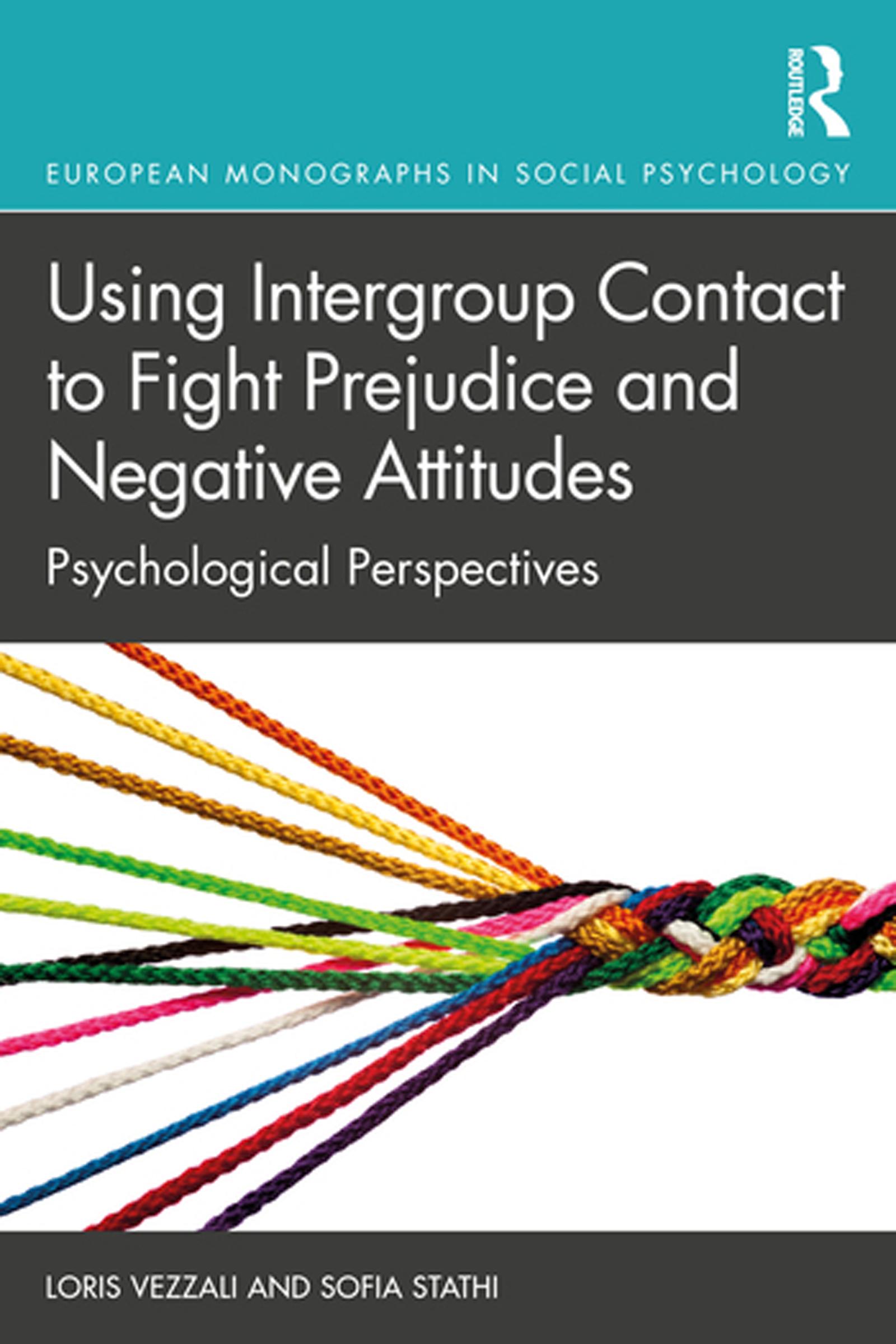
In this groundbreaking volume, Vezzali and Stathi present their research program within the larger contact literature, examining classic theories and current empirical findings, to show how they can be used to reduce prejudice and negative attitudes.
The contact hypothesis (Allport, 1954) posits that in an environment of equality, cooperation, and normative support, contact between members of distinct groups can reduce prejudice. Whilst considerable research supports this hypothesis, how theory can be tested in the field remains relatively unexplored. In this innovative book, Vezzali and Stathi discuss why relying solely on advancing theory without considering applied aspects integral to contact may limit the scope of contact theory and restrict our understanding of complex social phenomena. Exploring fascinating topics such as the role of contact in reducing implicit prejudice and fostering collective action, applying indirect contact, and promoting positive interactions among survivors of natural disasters, Vezzali and Stathi explain how contact theory can be implemented and enhance the societal impact of intergroup contact research.
Featuring extensive discussion on intergroup contact literature, future directions, and the necessity of applied research, this book will be essential reading for both students and academics of social and behavioral psychology.
Betal nemt med kort, Klarna, Apple Pay eller Google Pay. Ikke tilfreds? Du har altid 14 dages fortrydelsesret. Læs mere i vores vilkår. Har du spørgsmål, så send os en mail på hello@memmo.org.
Memmo gør det nemmere at studere – uanset hvor du er i verden. Hos os samler du dine kursusbøger og smarte studieværktøjer ét sted: resuméer, quizzer, podcasts og flashcards. Og så er der Ted, din studieven, der svarer på alt, du undrer dig over. Over 50 000 studerende studerer allerede her – bygget til at hjælpe dig med at lære hurtigere og stresse mindre.