
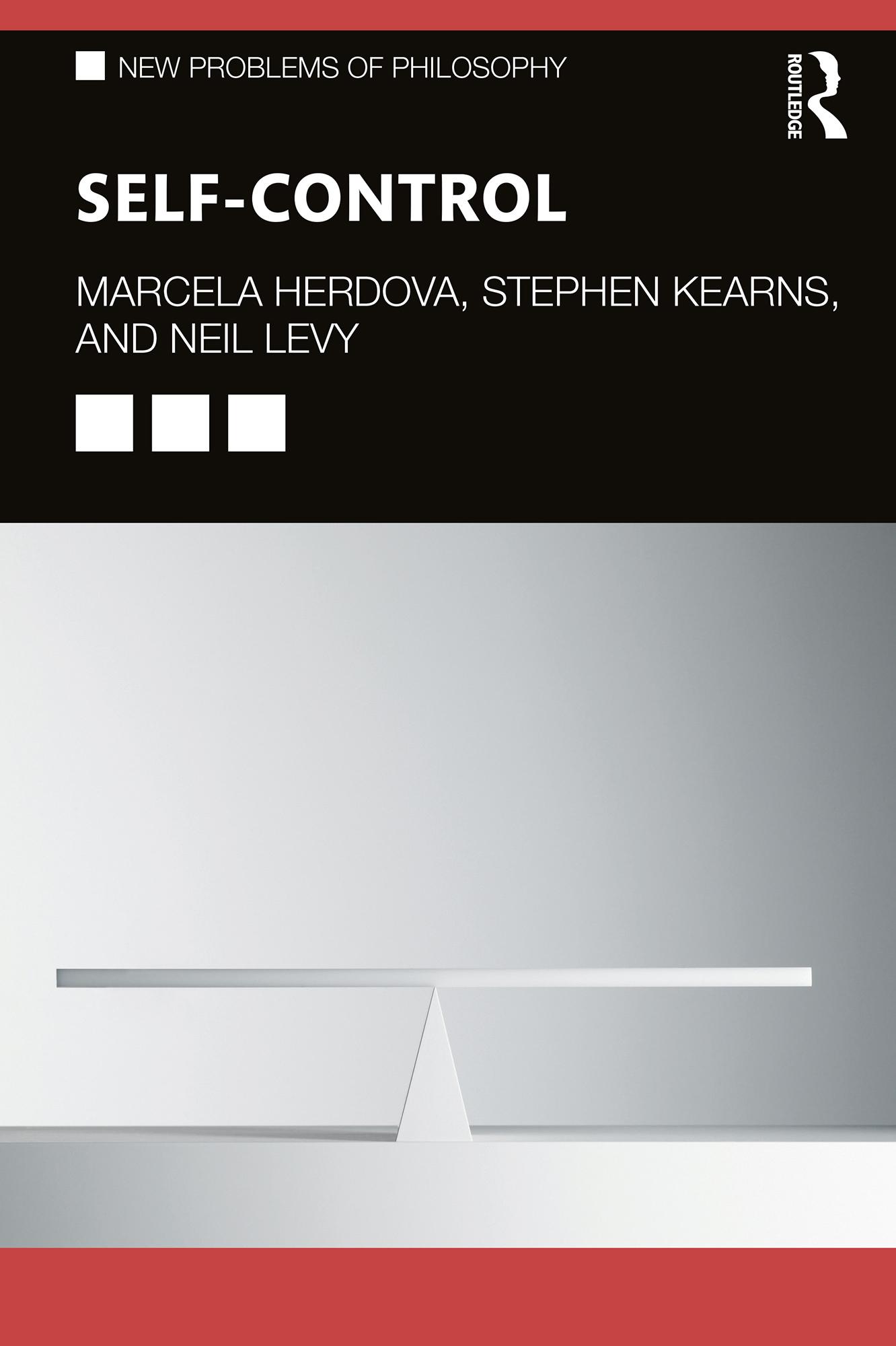
Self-control is a fundamental part of what it is to be a human being. It poses important philosophical and psychological questions about the nature of belief, motivation, judgment, and decision making. More immediately, failures of self-control can have high costs, resulting in ill-health, loss of relationships, and even violence and death, whereas strong self-control is also often associated with having a virtuous character. What exactly is self-control? If we lose control can we still be free? Can we be held responsible for loss of self-control?
In this thorough and clearly written introduction to the philosophy of self-control the authors examine and assess the following topics and questions:
- The importance of self-control
- What is self-control?
- Self-control and the law of desire
- Mechanisms of self-control
- How is it possible to lose self-control?
- Blameworthiness and (the loss of) self-control
- Externalist self-control
- Pathologies of self-control.
Combining philosophical analysis with surveys of the latest psychological research, and including chapter summaries, suggestions for further reading, and a glossary of key terms, Self-Control is essential reading for students of philosophy of mind and psychology, moral psychology, free will, and ethics. It will also be of interest to those in related fields such as psychology and cognitive science.
Betal nemt med kort, Klarna, Apple Pay eller Google Pay. Ikke tilfreds? Du har altid 14 dages fortrydelsesret. Læs mere i vores vilkår. Har du spørgsmål, så send os en mail på hello@memmo.org.
Memmo gør det nemmere at studere – uanset hvor du er i verden. Hos os samler du dine kursusbøger og smarte studieværktøjer ét sted: resuméer, quizzer, podcasts og flashcards. Og så er der Ted, din studieven, der svarer på alt, du undrer dig over. Over 50 000 studerende studerer allerede her – bygget til at hjælpe dig med at lære hurtigere og stresse mindre.