
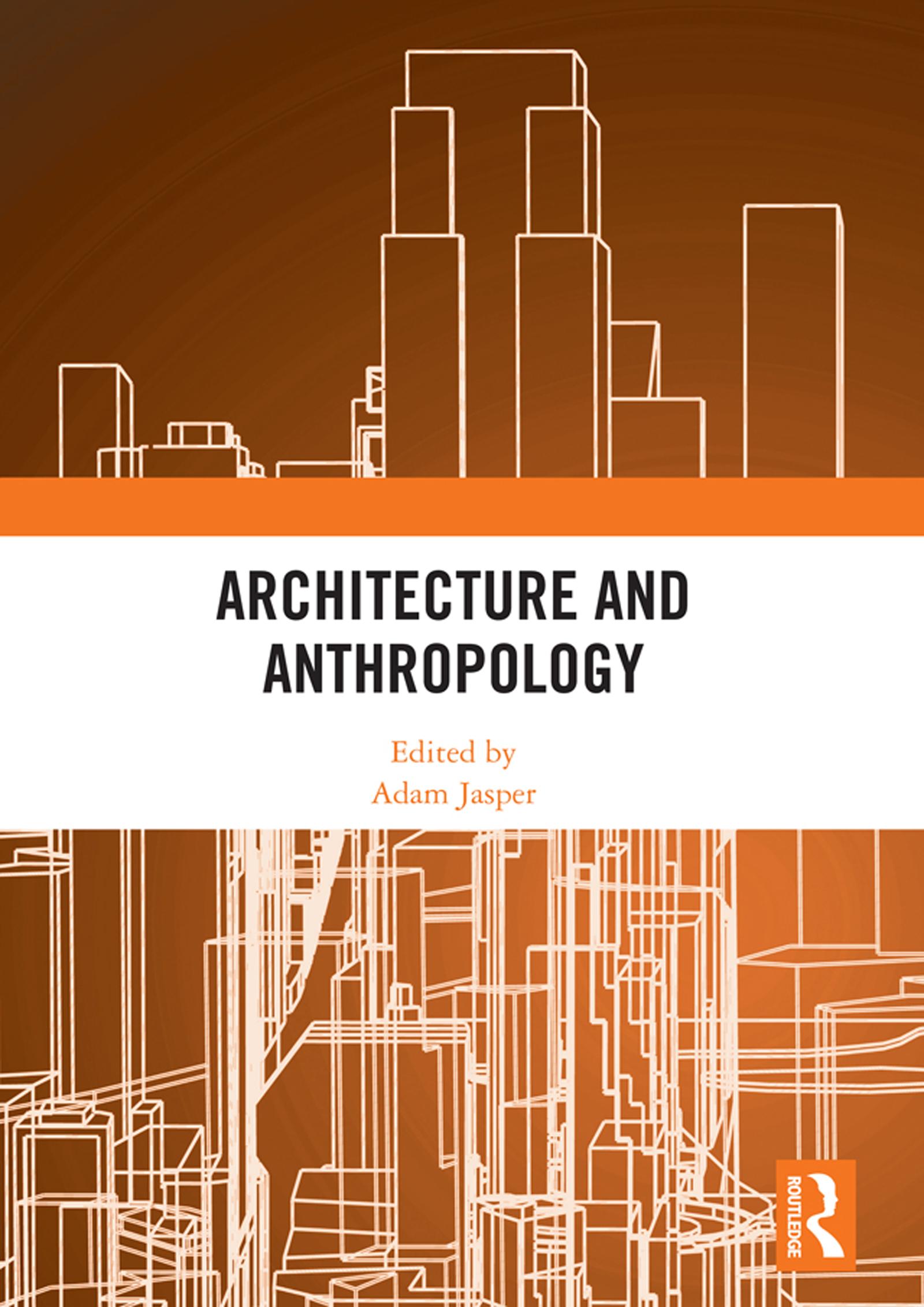
Both architecture and anthropology emerged as autonomous theoretical disciplines in the 18th-century enlightenment. Throughout the 19th century, the fields shared a common icon—the primitive hut—and a common concern with both routine needs and ceremonial behaviours. Both could lay strong claims to a special knowledge of the everyday. And yet, in the 20th century, notwithstanding genre classics such as Bernard Rudofsky’s Architecture without Architects or Paul Oliver’s Shelter, and various attempts to make architecture anthropocentric (such as Corbusier’s Modulor), disciplinary exchanges between architecture and anthropology were often disappointingly slight.
This book attempts to locate the various points of departure that might be taken in a contemporary discussion between architecture and anthropology. The results are radical: post-colonial theory is here counterpoised to 19th-century theories of primitivism, archaeology is set against dentistry, fieldwork is juxtaposed against indigenous critique, and climate science is applied to questions of shelter. This publication will be of interest to both architects and anthropologists.
The chapters in this book were originally published within two special issues of Architectural Theory Review.
Betal nemt med kort, Klarna, Apple Pay eller Google Pay. Ikke tilfreds? Du har altid 14 dages fortrydelsesret. Læs mere i vores vilkår. Har du spørgsmål, så send os en mail på hello@memmo.org.
Memmo gør det nemmere at studere – uanset hvor du er i verden. Hos os samler du dine kursusbøger og smarte studieværktøjer ét sted: resuméer, quizzer, podcasts og flashcards. Og så er der Ted, din studieven, der svarer på alt, du undrer dig over. Over 50 000 studerende studerer allerede her – bygget til at hjælpe dig med at lære hurtigere og stresse mindre.