
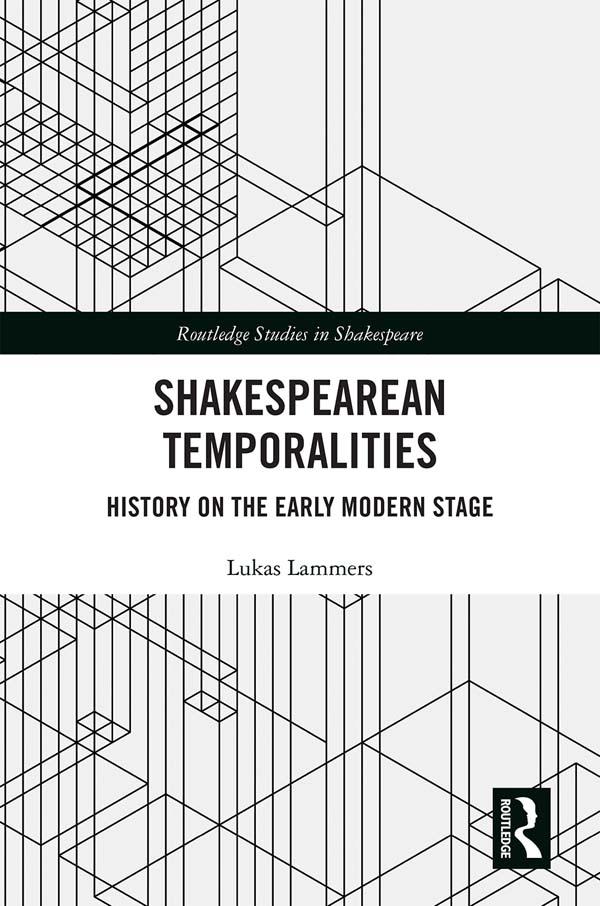
Shakespearean Temporalities addresses a critical neglect in Early Modern Performance and Shakespeare Studies, revising widely prevailing and long-standing assumptions about the performance and reception of history on the early modern stage. Demonstrating that theatre, at the turn of the seventeenth century, thrived on an intense fascination with perceived tensions between (medieval) past and (early modern) present, this volume uncovers a dimension of historical drama that has been largely neglected due to a strong focus on nationhood and a predilection for ‘topical’ readings. It moreover reassesses genre conventions by venturing beyond the threshold of the supposed "death of the history play," in 1603.
Closely analysing a broad range of Shakespeare’s historical drama, it explores the dramatic techniques that allow the theatre to perform historical distance. An experience of historical contingency through an immersion in a world ontologically related yet temporally removed is thus revealed as a major appeal of historical drama and a striking aspect of Shakespeare’s history plays. With a focus on performance, the experience of playgoers, and the dynamics that resulted from the collective production of dramatic historiography by competing companies, the book offers the first analysis of what can be referred to as Shakespeare’s dramaturgy of historical temporality.
Betal nemt med kort, Klarna, Apple Pay eller Google Pay. Ikke tilfreds? Du har altid 14 dages fortrydelsesret. Læs mere i vores vilkår. Har du spørgsmål, så send os en mail på hello@memmo.org.
Memmo gør det nemmere at studere – uanset hvor du er i verden. Hos os samler du dine kursusbøger og smarte studieværktøjer ét sted: resuméer, quizzer, podcasts og flashcards. Og så er der Ted, din studieven, der svarer på alt, du undrer dig over. Over 50 000 studerende studerer allerede her – bygget til at hjælpe dig med at lære hurtigere og stresse mindre.