
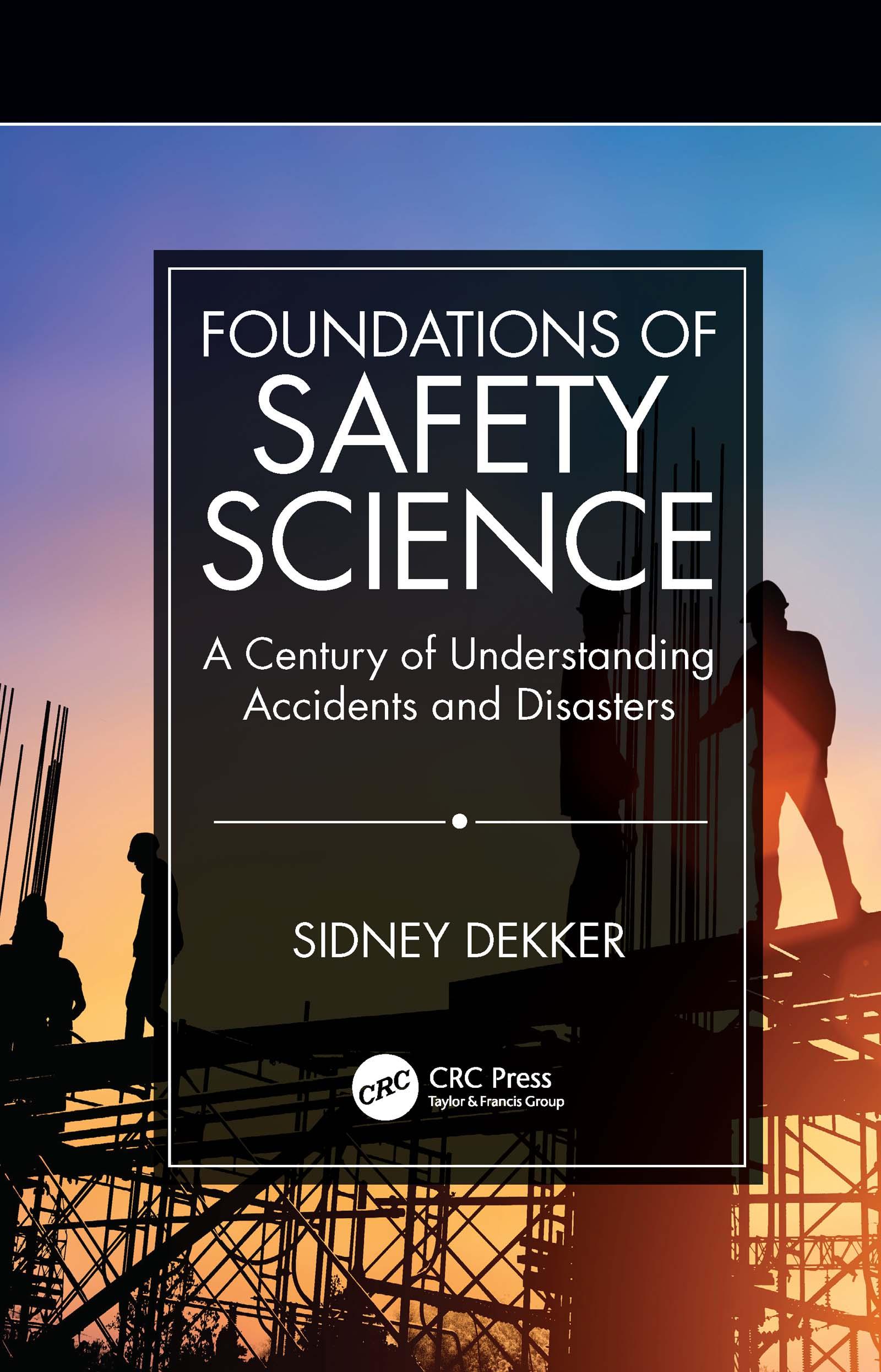
How are today’s ‘hearts and minds’ programs linked to a late-19th century definition of human factors as people’s moral and mental deficits? What do Heinrich’s ‘unsafe acts’ from the 1930’s have in common with the Swiss cheese model of the early 1990’s? Why was the reinvention of human factors in the 1940’s such an important event in the development of safety thinking? What makes many of our current systems so complex and impervious to Tayloristic safety interventions? ‘Foundations of Safety Science’ covers the origins of major schools of safety thinking, and traces the heritage and interlinkages of the ideas that make up safety science today.
Features
- Offers a comprehensive overview of the theoretical foundations of safety science
- Provides balanced treatment of approaches since the early 20th century, showing interlinkages and cross-connections
- Includes an overview and key points at the beginning of each chapter and study questions at the end to support teaching use
- Uses an accessible style, using technical language where necessary
- Concentrates on the philosophical and historical traditions and assumptions that underlie all safety approaches
Betal nemt med kort, Klarna, Apple Pay eller Google Pay. Ikke tilfreds? Du har altid 14 dages fortrydelsesret. Læs mere i vores vilkår. Har du spørgsmål, så send os en mail på hello@memmo.org.
Memmo gør det nemmere at studere – uanset hvor du er i verden. Hos os samler du dine kursusbøger og smarte studieværktøjer ét sted: resuméer, quizzer, podcasts og flashcards. Og så er der Ted, din studieven, der svarer på alt, du undrer dig over. Over 50 000 studerende studerer allerede her – bygget til at hjælpe dig med at lære hurtigere og stresse mindre.