
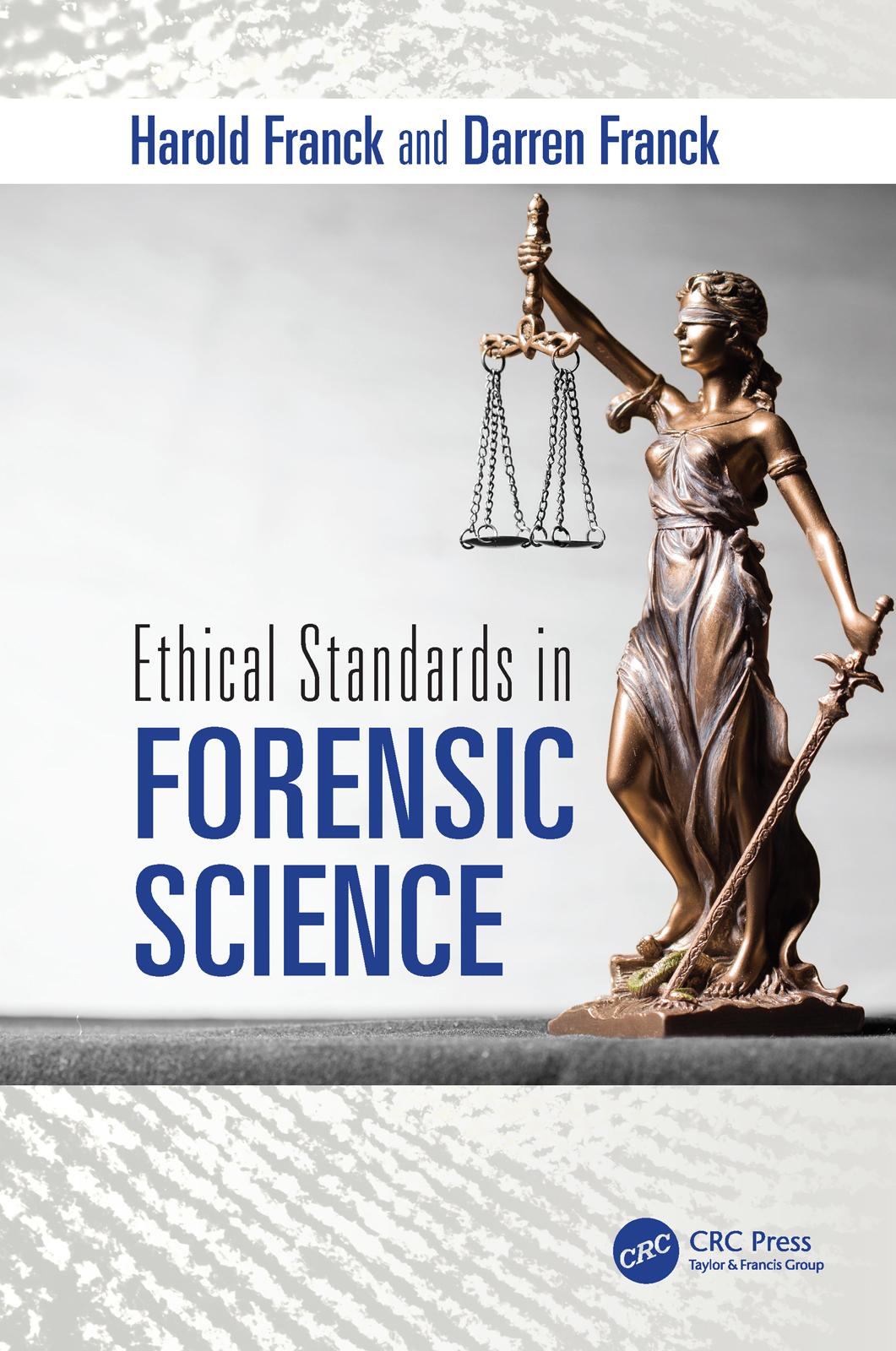
Ethical Standards in Forensic Science seeks to address the myriad practices in forensic science for a variety of evidence and analyses. The book looks at ethics, bias, what constitutes an expert in the field—both as a practitioner and to the court system—as well as the standards of practice as purported by the top forensic organizations. Coverage addresses evidence collection, chain of custody, real versus "junk" science, the damage questionable science can cause to a discipline and the judicial process, testing methods, report writing, and expert witness testimony in civil and criminal cases in a court of law.
The authors’ background in engineering provides a unique perspective on a variety of evidence and testing methods. As such, in addition to coverage the range of evidence and topics cited in the 2009 National Academy of Sciences (NAS) Report, they address numerous challenges that have arisen specifically in forensic engineering cases—their specific area of expertise. Numerous case example are provided to illustrate the inherent danger of bias, inexact science, or expert witnesses taking dangerous and harmful liberties on the stand. Students, lawyers, and professionals in all forensic disciplines will find this a refreshing and accessible approach to elucidate the problem and offer suggestions for reform and change for the good of the entire profession.
Betal nemt med kort, Klarna, Apple Pay eller Google Pay. Ikke tilfreds? Du har altid 14 dages fortrydelsesret. Læs mere i vores vilkår. Har du spørgsmål, så send os en mail på hello@memmo.org.
Memmo gør det nemmere at studere – uanset hvor du er i verden. Hos os samler du dine kursusbøger og smarte studieværktøjer ét sted: resuméer, quizzer, podcasts og flashcards. Og så er der Ted, din studieven, der svarer på alt, du undrer dig over. Over 50 000 studerende studerer allerede her – bygget til at hjælpe dig med at lære hurtigere og stresse mindre.