
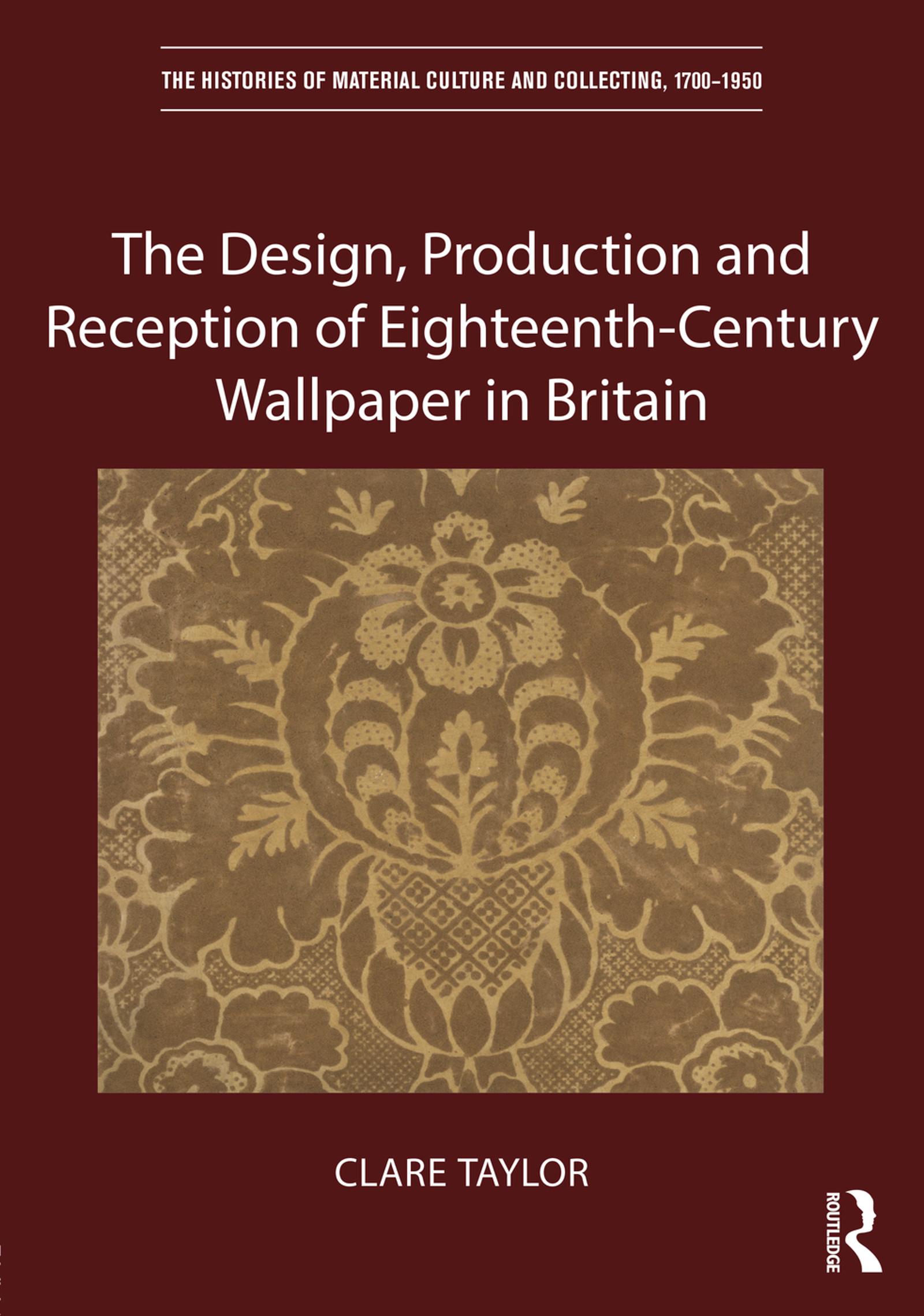
Wallpaper’s spread across trades, class and gender is charted in this first full-length study of the material’s use in Britain during the long eighteenth century. It examines the types of wallpaper that were designed and produced and the interior spaces it occupied, from the country house to the homes of prosperous townsfolk and gentry, showing that wallpaper was hung by Earls and merchants as well as by aristocratic women. Drawing on a wide range of little known examples of interior schemes and surviving wallpapers, together with unpublished evidence from archives including letters and bills, it charts wallpaper’s evolution across the century from cheap textile imitation to innovative new decorative material. Wallpaper’s growth is considered not in terms of chronology, but rather alongside the categories used by eighteenth-century tradesmen and consumers, from plains to flocks, from China papers to papier mâché and from stucco papers to materials for creating print rooms. It ends by assessing the ways in which eighteenth-century wallpaper was used to create historicist interiors in the twentieth century. Including a wide range of illustrations, many in colour, the book will be of interest to historians of material culture and design, scholars of art and architectural history as well as practicing designers and those interested in the historic interior.
Betal nemt med kort, Klarna, Apple Pay eller Google Pay. Ikke tilfreds? Du har altid 14 dages fortrydelsesret. Læs mere i vores vilkår. Har du spørgsmål, så send os en mail på hello@memmo.org.
Memmo gør det nemmere at studere – uanset hvor du er i verden. Hos os samler du dine kursusbøger og smarte studieværktøjer ét sted: resuméer, quizzer, podcasts og flashcards. Og så er der Ted, din studieven, der svarer på alt, du undrer dig over. Over 50 000 studerende studerer allerede her – bygget til at hjælpe dig med at lære hurtigere og stresse mindre.
Du kan måske også lide
Køb bogen0