
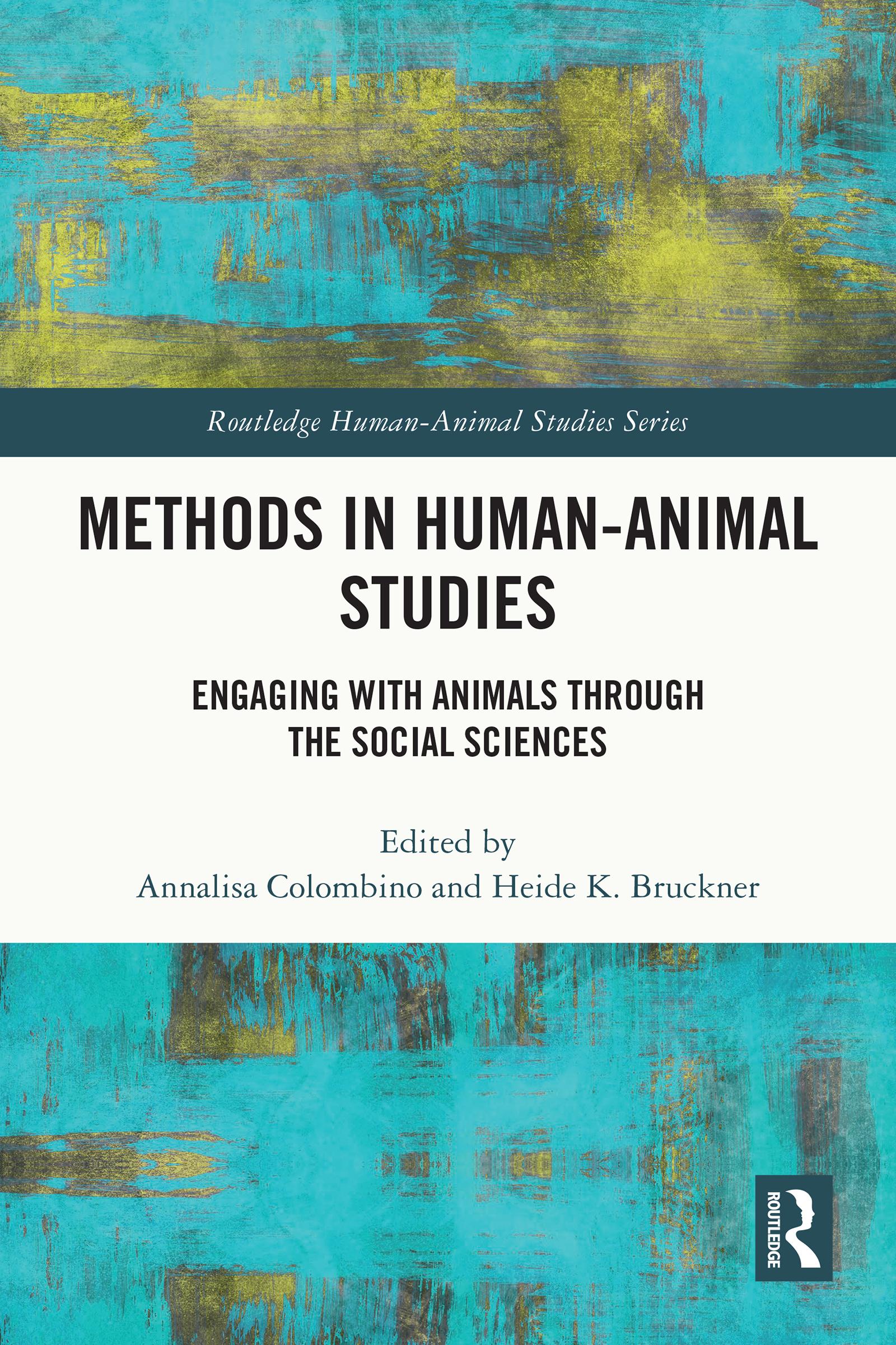
This timely book provides a methodological guide for how to conduct and theorise research in human-animal studies. In response to critiques of the anthropomorphic slant to human-animal research and the increasing political relevance of animals in contemporary environmental debates, this book emphasises methods which bring to light the animal side of multispecies encounters.
Drawing from the interdisciplinary strength of human-animal studies, this book contains contributions from practitioners and scholars working in sociology, anthropology, ethology and geography. Each chapter uses a case-study approach to present a theoretical framework and empirical application of cutting-edge methods in human-animal studies, from creative writing in multispecies ethnographies to visual methods like videography and body mapping. Organized in three parts – theorizing; collaborating; visualizing – the book equips readers with methodological tools to conduct human-animal studies research attentive to animal lives. Furthermore, chapters reflect on the opportunities, limitations and ethical considerations of research that seeks to understand our more-than-human worlds.
The book is aimed towards undergraduate and graduate students in human-animal studies and scholars investigating human-animal relations. It will also be of interest to practitioners and policy-makers who engage with conservation, wildlife management or the human-animal interface of urban and regional planning.
Betal nemt med kort, Klarna, Apple Pay eller Google Pay. Ikke tilfreds? Du har altid 14 dages fortrydelsesret. Læs mere i vores vilkår. Har du spørgsmål, så send os en mail på hello@memmo.org.
Memmo gør det nemmere at studere – uanset hvor du er i verden. Hos os samler du dine kursusbøger og smarte studieværktøjer ét sted: resuméer, quizzer, podcasts og flashcards. Og så er der Ted, din studieven, der svarer på alt, du undrer dig over. Over 50 000 studerende studerer allerede her – bygget til at hjælpe dig med at lære hurtigere og stresse mindre.