
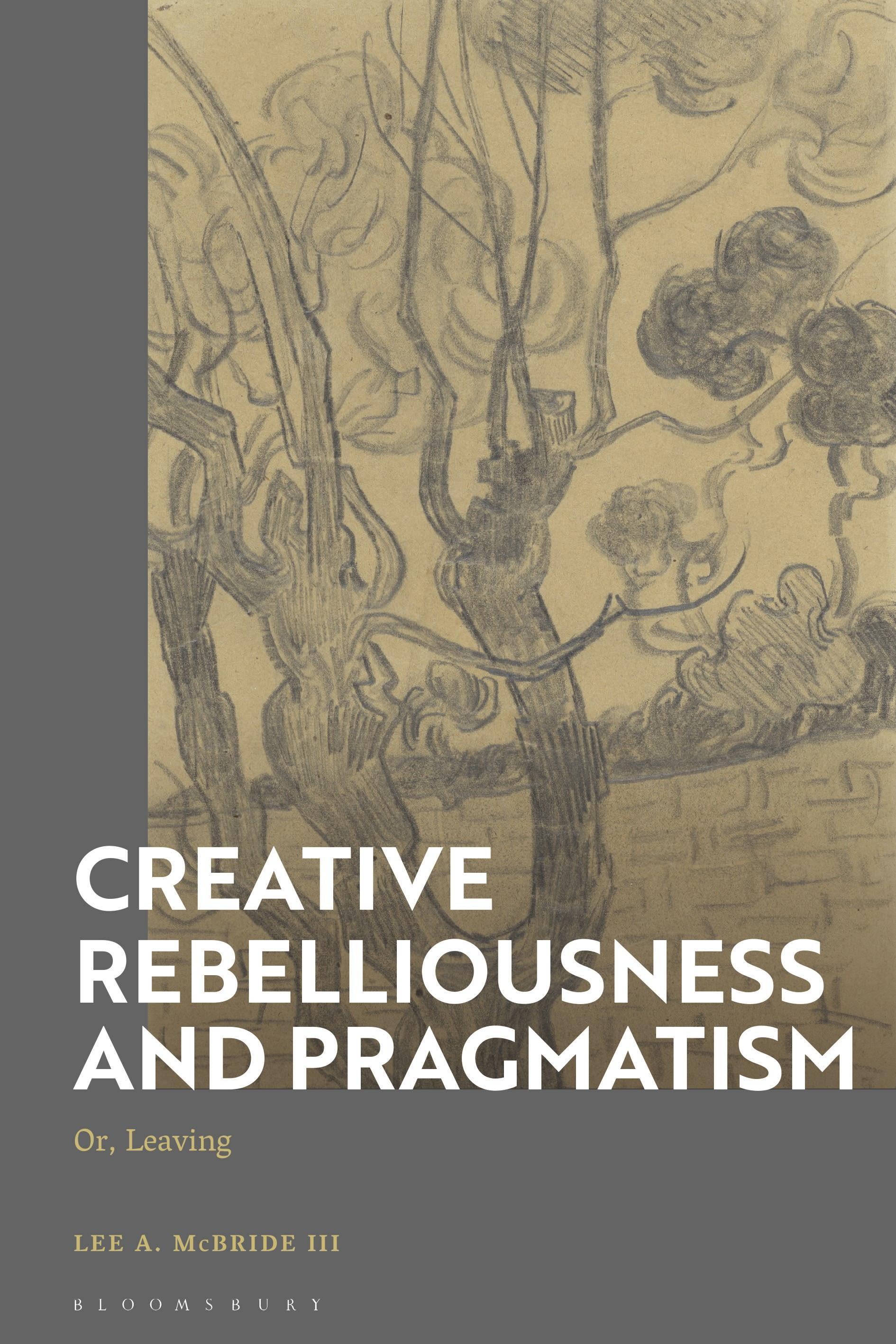
A leading voice in contemporary pragmatism presents a 21st-century presentation and interpretation of the tradition from the point of view of oppressed populations.
Lee A. McBride III urges us to analyze the epistemological boundaries and intervening logics that ensnare us in this order of things and breach them. This powerful and eye-opening approach takes its impetus from Leonard Harris's philosophy born of struggle.
By connecting different philosophical perspectives, McBride offers fresh ways to think about philosophies of struggle. He helps us to size up and challenge those existing epistemological systems that reinforce and reproduce oppression; he proffers a tenable pragmatic naturalized epistemology from which one can make assertive fallibilist claims; he helps us to reenvision our bonds and ties to other beings and the land; he describes the role of immersive affective experiences, poetry, and Dionysian poiesis (making) in leaving the existing systems of knowledge. Each foray develops a way of (re)imagining our ways of being and the norms and structures within which we live. They allow McBride to draw out conceptual and imaginative tools that may assist us in creative rebelliousness, in leaving and shaping a future beyond the asylum walls.
Beautifully written, McBride's book extends the insurrectionist philosophical project in an important direction, expanding the conception of how and where insurrection needs to happen.
Lee A. McBride III urges us to analyze the epistemological boundaries and intervening logics that ensnare us in this order of things and breach them. This powerful and eye-opening approach takes its impetus from Leonard Harris's philosophy born of struggle.
By connecting different philosophical perspectives, McBride offers fresh ways to think about philosophies of struggle. He helps us to size up and challenge those existing epistemological systems that reinforce and reproduce oppression; he proffers a tenable pragmatic naturalized epistemology from which one can make assertive fallibilist claims; he helps us to reenvision our bonds and ties to other beings and the land; he describes the role of immersive affective experiences, poetry, and Dionysian poiesis (making) in leaving the existing systems of knowledge. Each foray develops a way of (re)imagining our ways of being and the norms and structures within which we live. They allow McBride to draw out conceptual and imaginative tools that may assist us in creative rebelliousness, in leaving and shaping a future beyond the asylum walls.
Beautifully written, McBride's book extends the insurrectionist philosophical project in an important direction, expanding the conception of how and where insurrection needs to happen.
Betal nemt med kort, Klarna, Apple Pay eller Google Pay. Ikke tilfreds? Du har altid 14 dages fortrydelsesret. Læs mere i vores vilkår. Har du spørgsmål, så send os en mail på hello@memmo.org.
Memmo gør det nemmere at studere – uanset hvor du er i verden. Hos os samler du dine kursusbøger og smarte studieværktøjer ét sted: resuméer, quizzer, podcasts og flashcards. Og så er der Ted, din studieven, der svarer på alt, du undrer dig over. Over 50 000 studerende studerer allerede her – bygget til at hjælpe dig med at lære hurtigere og stresse mindre.