
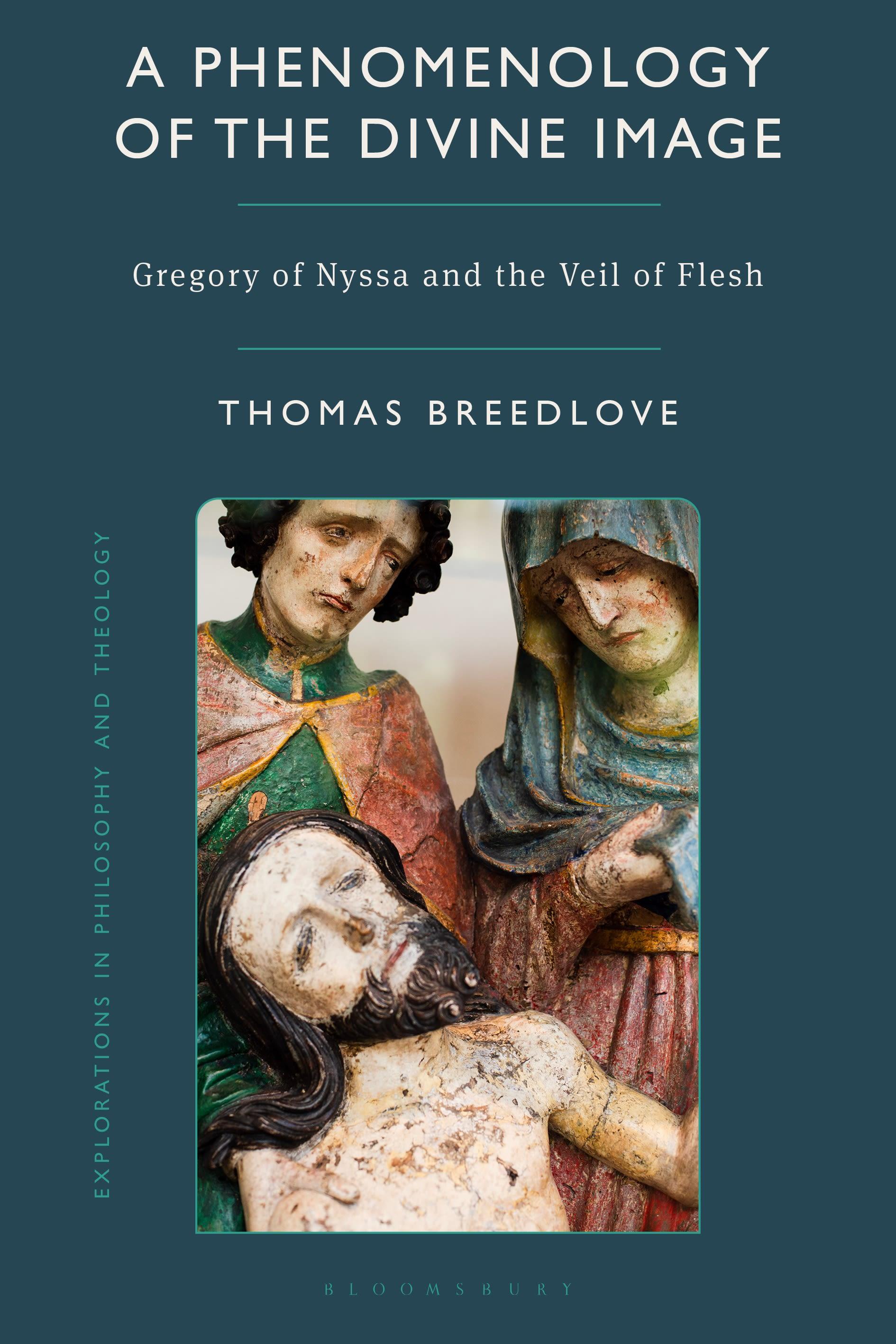
What does it mean to speak of humans as the image of God when apophatic theology speaks of an infinite God who transcends naming, comprehension, and worldly appearance?
Bringing Church Father Gregory of Nyssa into dialogue with French phenomenology in Michel Henry, Maurice Merleau-Ponty, and Jean-Louis Chretien, Thomas Breedlove answers this question and explores the importance of embodiment to the doctrine of imago Dei.
Divided into three parts, this book presents the divine image not as merely one aspect of the human creature but rather as that which constitutes human creatureliness itself. So constituted, human nature is shaped by likeness and difference to God. Breedlove investigates this relationship between human and divine through three successive approaches. The first, in conversation with Merleau-Ponty, analyses the existential and phenomenological aspects of fleshly finitude as the paradigmatic site of the creature's difference from God. The second takes up Henry's philosophy of life alongside Gregory's metaphysics of participation to offer an account of creaturely life in its likeness or identity to divine life. The third, though conversation with Chrétien, examines the christological aspects of Gregory's anthropology in order to find the dynamic synthesis in which likeness and difference and presence and absence reveal a creaturely nature wounded by divine love.
In blending 4th-century theology with 20th-century phenomenology, Breedlove not only showcases the alternative perspectives they can offer each other, but further presents a novel theological anthropology and a new theological account of the flesh. He argues that the dynamism and groundlessness of creaturely flesh, where mind and body intersect, reveals what it means to be created as images of God. This revelation is founded in Christ, whose life reveals finitude not as an impediment to be overcome but as the very possibility of likeness to the divine.
Bringing Church Father Gregory of Nyssa into dialogue with French phenomenology in Michel Henry, Maurice Merleau-Ponty, and Jean-Louis Chretien, Thomas Breedlove answers this question and explores the importance of embodiment to the doctrine of imago Dei.
Divided into three parts, this book presents the divine image not as merely one aspect of the human creature but rather as that which constitutes human creatureliness itself. So constituted, human nature is shaped by likeness and difference to God. Breedlove investigates this relationship between human and divine through three successive approaches. The first, in conversation with Merleau-Ponty, analyses the existential and phenomenological aspects of fleshly finitude as the paradigmatic site of the creature's difference from God. The second takes up Henry's philosophy of life alongside Gregory's metaphysics of participation to offer an account of creaturely life in its likeness or identity to divine life. The third, though conversation with Chrétien, examines the christological aspects of Gregory's anthropology in order to find the dynamic synthesis in which likeness and difference and presence and absence reveal a creaturely nature wounded by divine love.
In blending 4th-century theology with 20th-century phenomenology, Breedlove not only showcases the alternative perspectives they can offer each other, but further presents a novel theological anthropology and a new theological account of the flesh. He argues that the dynamism and groundlessness of creaturely flesh, where mind and body intersect, reveals what it means to be created as images of God. This revelation is founded in Christ, whose life reveals finitude not as an impediment to be overcome but as the very possibility of likeness to the divine.
Betal nemt med kort, Klarna, Apple Pay eller Google Pay. Ikke tilfreds? Du har altid 14 dages fortrydelsesret. Læs mere i vores vilkår. Har du spørgsmål, så send os en mail på hello@memmo.org.
Memmo gør det nemmere at studere – uanset hvor du er i verden. Hos os samler du dine kursusbøger og smarte studieværktøjer ét sted: resuméer, quizzer, podcasts og flashcards. Og så er der Ted, din studieven, der svarer på alt, du undrer dig over. Over 50 000 studerende studerer allerede her – bygget til at hjælpe dig med at lære hurtigere og stresse mindre.