
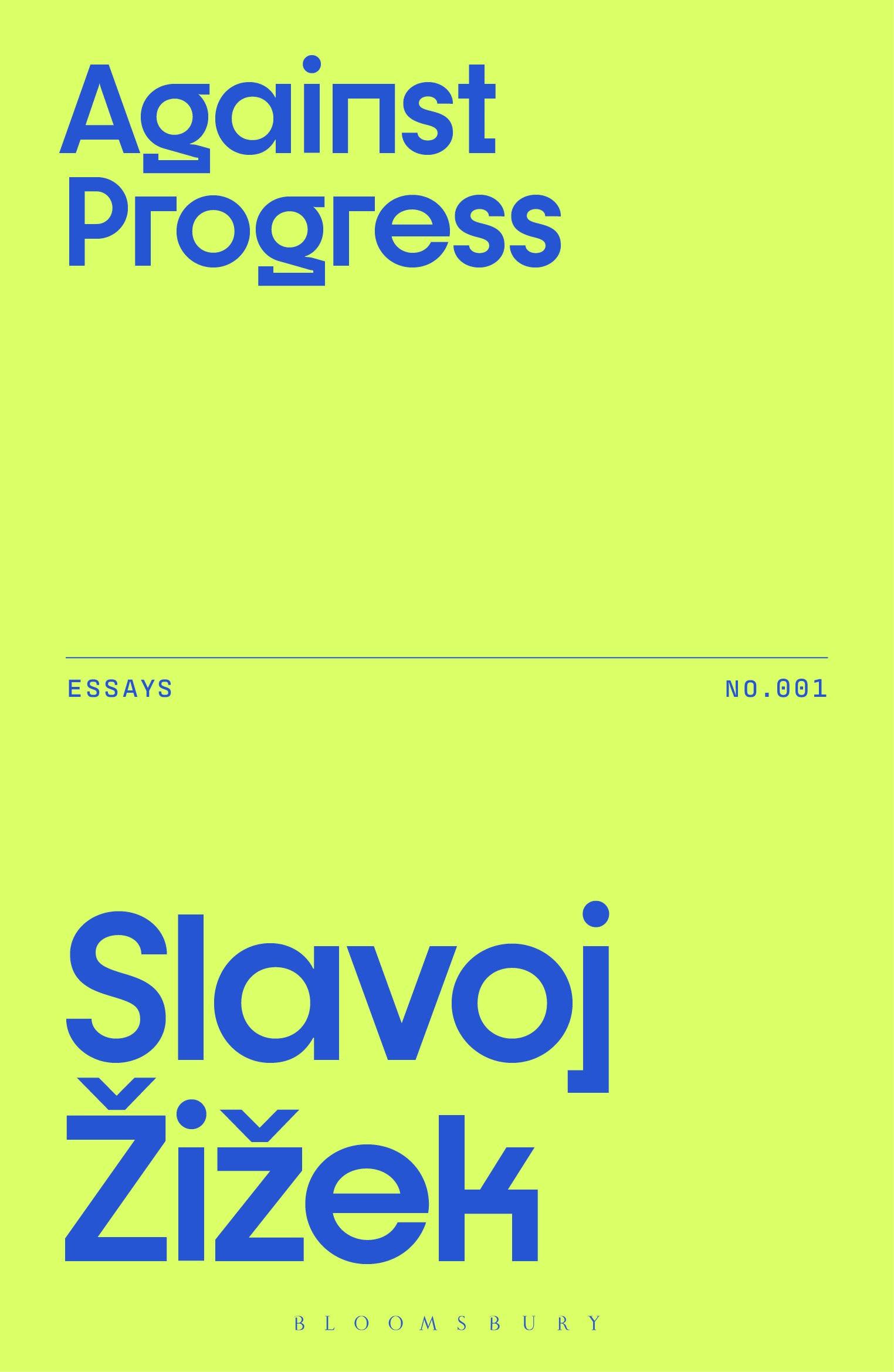
To define 'progress' is to lay claim to the future. Seminal thinker Slavoj Žižek turns essayist to interrogate the competing visions which form the horizons of human possibility and ask: Can things, which have never seemed worse, get better? What would a better world be? And how, when we are constantly besieged by doomers, degrowthers and disorienting relativisms can we make any headway at all in the face of unprecedented ecological, social and political crises?
In thirteen iconoclastic essays, Slavoj Žižek disrupts the death-grip that neoliberalists, Trumpian populists, toxic self-improvement industries and accelerationists alike have established on the idea of progress. Anatomizing what is lost when opponents of the future are allowed to define it, Žižek ruthlessly exposes what different visions of progress exclude or sacrifice and the dynamics of desire, denial and disavowal at work in Hollywood blockbusters, Buddhist economics, decolonization movements and other engines of vision. In a whirlwind tour that takes in everything from gentrification to the theory of relativity, Lacan to Lenin, Putin to Mary Poppins and Marine Le Pen to the end of the world, these essays never stop asking hard questions of imagined futures.
Nor does Žižek shrink from the hardest question of all: How do we free ourselves from the hypocritical, guilt-ridden dreaming in which we're enmeshed, and begin to build a better world?
In thirteen iconoclastic essays, Slavoj Žižek disrupts the death-grip that neoliberalists, Trumpian populists, toxic self-improvement industries and accelerationists alike have established on the idea of progress. Anatomizing what is lost when opponents of the future are allowed to define it, Žižek ruthlessly exposes what different visions of progress exclude or sacrifice and the dynamics of desire, denial and disavowal at work in Hollywood blockbusters, Buddhist economics, decolonization movements and other engines of vision. In a whirlwind tour that takes in everything from gentrification to the theory of relativity, Lacan to Lenin, Putin to Mary Poppins and Marine Le Pen to the end of the world, these essays never stop asking hard questions of imagined futures.
Nor does Žižek shrink from the hardest question of all: How do we free ourselves from the hypocritical, guilt-ridden dreaming in which we're enmeshed, and begin to build a better world?
Betal nemt med kort, Klarna, Apple Pay eller Google Pay. Ikke tilfreds? Du har altid 14 dages fortrydelsesret. Læs mere i vores vilkår. Har du spørgsmål, så send os en mail på hello@memmo.org.
Memmo gør det nemmere at studere – uanset hvor du er i verden. Hos os samler du dine kursusbøger og smarte studieværktøjer ét sted: resuméer, quizzer, podcasts og flashcards. Og så er der Ted, din studieven, der svarer på alt, du undrer dig over. Over 50 000 studerende studerer allerede her – bygget til at hjælpe dig med at lære hurtigere og stresse mindre.