
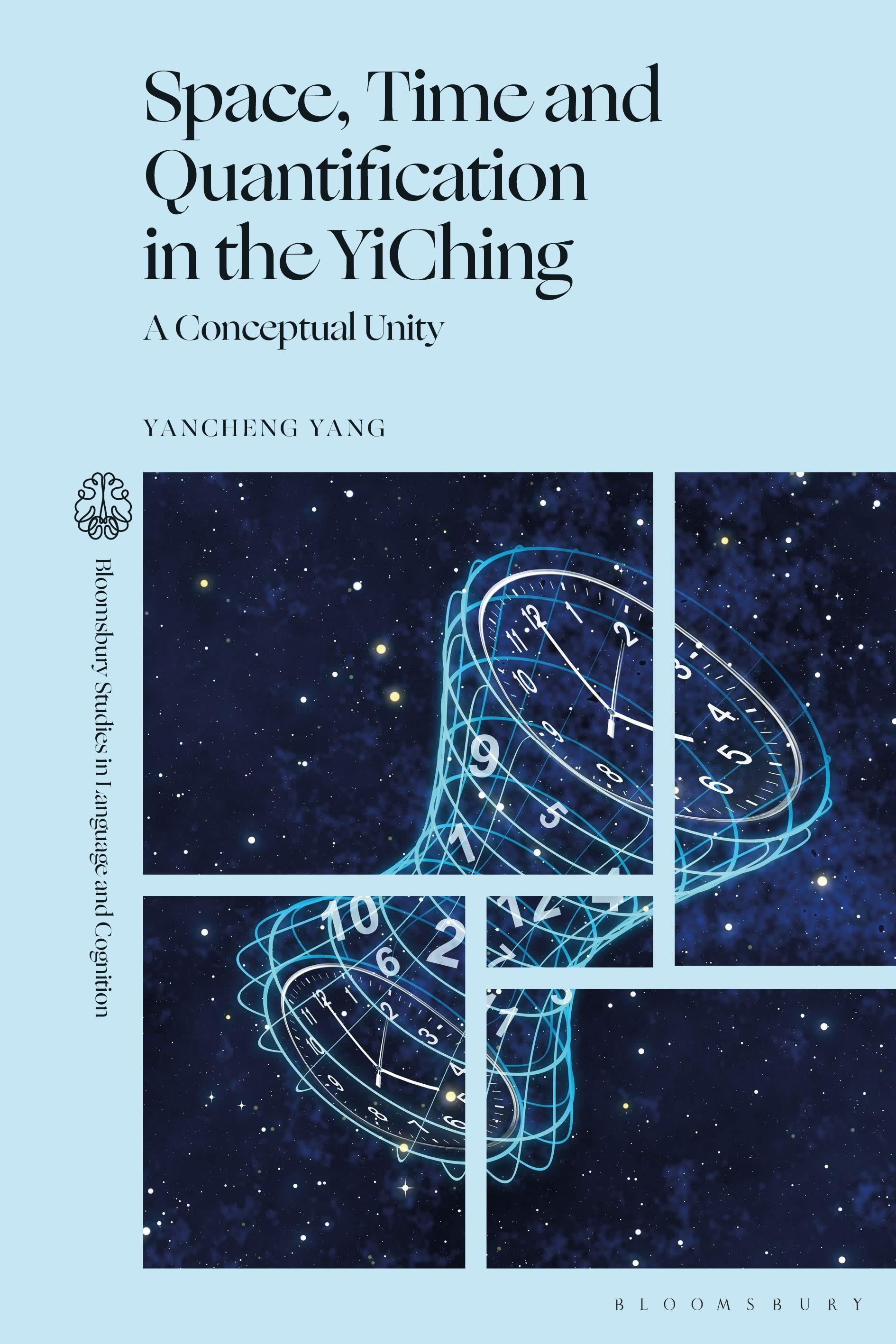
This book explores linguistic representations and cultural conceptualizations of the relationship between time and space in ancient China, as expressed by the YiChing.
The YiChing, an ancient Chinese divination manual based on hexagrams, is one of the oldest of the Chinese classics and a foundational text for the Confucian and Daoist philosophical traditions. Its hexagrams represent the internal logic of the world or universe as a dynamic whole, alternating the processes of events based on the conceptual unity of space and time and their quantification.
This book is the first in-depth examination of time and space and their quantification in the YiChing from the perspective of cognitive linguistics. Through detailed analysis of motion and life metaphors, it argues that space and time, which in turn shapes how quantification is expressed, is a unified concept in China.
Offering distinctive Chinese perspectives, this insightful study deals with unsolved issues from experimental research in cognitive and psychological science to further expand the existing linguistic and cultural research field. The book compares the Chinese conceptualization of the unity of space and time with an asymmetric conceptualization of space and time in the West, making an original contribution to the study of space, time and number in language and cognition, and to the understanding of the history of Chinese thought.
The YiChing, an ancient Chinese divination manual based on hexagrams, is one of the oldest of the Chinese classics and a foundational text for the Confucian and Daoist philosophical traditions. Its hexagrams represent the internal logic of the world or universe as a dynamic whole, alternating the processes of events based on the conceptual unity of space and time and their quantification.
This book is the first in-depth examination of time and space and their quantification in the YiChing from the perspective of cognitive linguistics. Through detailed analysis of motion and life metaphors, it argues that space and time, which in turn shapes how quantification is expressed, is a unified concept in China.
Offering distinctive Chinese perspectives, this insightful study deals with unsolved issues from experimental research in cognitive and psychological science to further expand the existing linguistic and cultural research field. The book compares the Chinese conceptualization of the unity of space and time with an asymmetric conceptualization of space and time in the West, making an original contribution to the study of space, time and number in language and cognition, and to the understanding of the history of Chinese thought.
Betal nemt med kort, Klarna, Apple Pay eller Google Pay. Ikke tilfreds? Du har altid 14 dages fortrydelsesret. Læs mere i vores vilkår. Har du spørgsmål, så send os en mail på hello@memmo.org.
Memmo gør det nemmere at studere – uanset hvor du er i verden. Hos os samler du dine kursusbøger og smarte studieværktøjer ét sted: resuméer, quizzer, podcasts og flashcards. Og så er der Ted, din studieven, der svarer på alt, du undrer dig over. Over 50 000 studerende studerer allerede her – bygget til at hjælpe dig med at lære hurtigere og stresse mindre.