
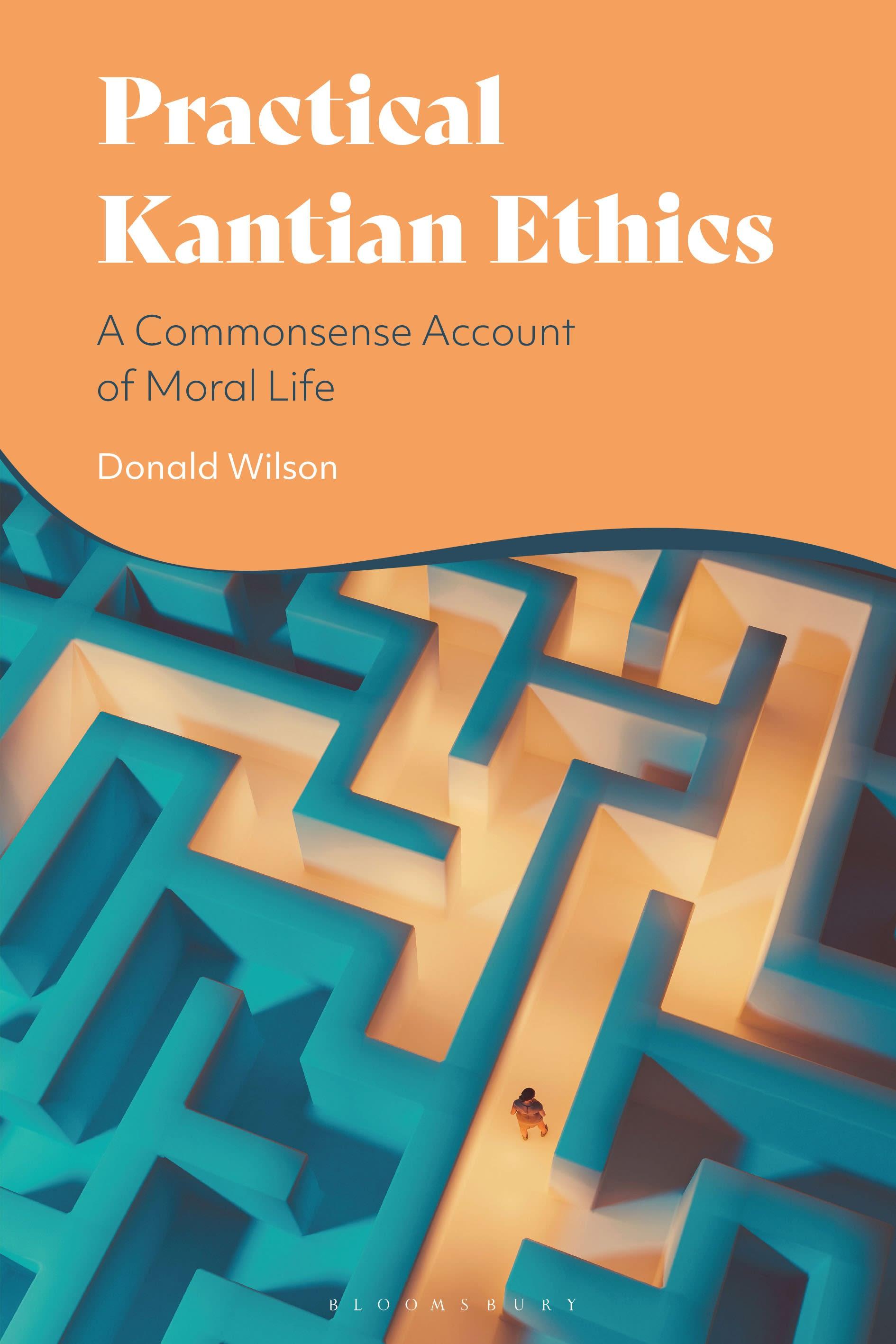
Reversing the usual order of interpretation, Donald Wilson reinterprets Kant's moral theory through his later practical works offering a new “inner freedom” account informing obscure aspects of Kant's formal moral philosophy and the practical focus of ideals of proper respect.
This account transcends the narrow rational asceticism often associated with Kant's view, embedding morality in our humanity, recognizing the vital role of emotion in moral life, and prioritizing framing moral commitments and questions of character over obedience to formal rules. In doing so, it makes community and collective and individual judgment essential in giving content to ideals of practical respect, creating important space for moral disagreement and growth.
Focused on the integration of diverse norms and the lived experience of morality, Wilson's account affords Kantians a nuanced understanding of the relationship between moral and personal life and everyday norms of fidelity, non-violence, rescue, and care capable of guiding ordinary moral judgement and informing deliberation in hard cases where different grounds of obligation conflict. It is essential reading for anyone working on Kant's moral philosophy today.
This account transcends the narrow rational asceticism often associated with Kant's view, embedding morality in our humanity, recognizing the vital role of emotion in moral life, and prioritizing framing moral commitments and questions of character over obedience to formal rules. In doing so, it makes community and collective and individual judgment essential in giving content to ideals of practical respect, creating important space for moral disagreement and growth.
Focused on the integration of diverse norms and the lived experience of morality, Wilson's account affords Kantians a nuanced understanding of the relationship between moral and personal life and everyday norms of fidelity, non-violence, rescue, and care capable of guiding ordinary moral judgement and informing deliberation in hard cases where different grounds of obligation conflict. It is essential reading for anyone working on Kant's moral philosophy today.
Betal nemt med kort, Klarna, Apple Pay eller Google Pay. Ikke tilfreds? Du har altid 14 dages fortrydelsesret. Læs mere i vores vilkår. Har du spørgsmål, så send os en mail på hello@memmo.org.
Memmo gør det nemmere at studere – uanset hvor du er i verden. Hos os samler du dine kursusbøger og smarte studieværktøjer ét sted: resuméer, quizzer, podcasts og flashcards. Og så er der Ted, din studieven, der svarer på alt, du undrer dig over. Over 50 000 studerende studerer allerede her – bygget til at hjælpe dig med at lære hurtigere og stresse mindre.