
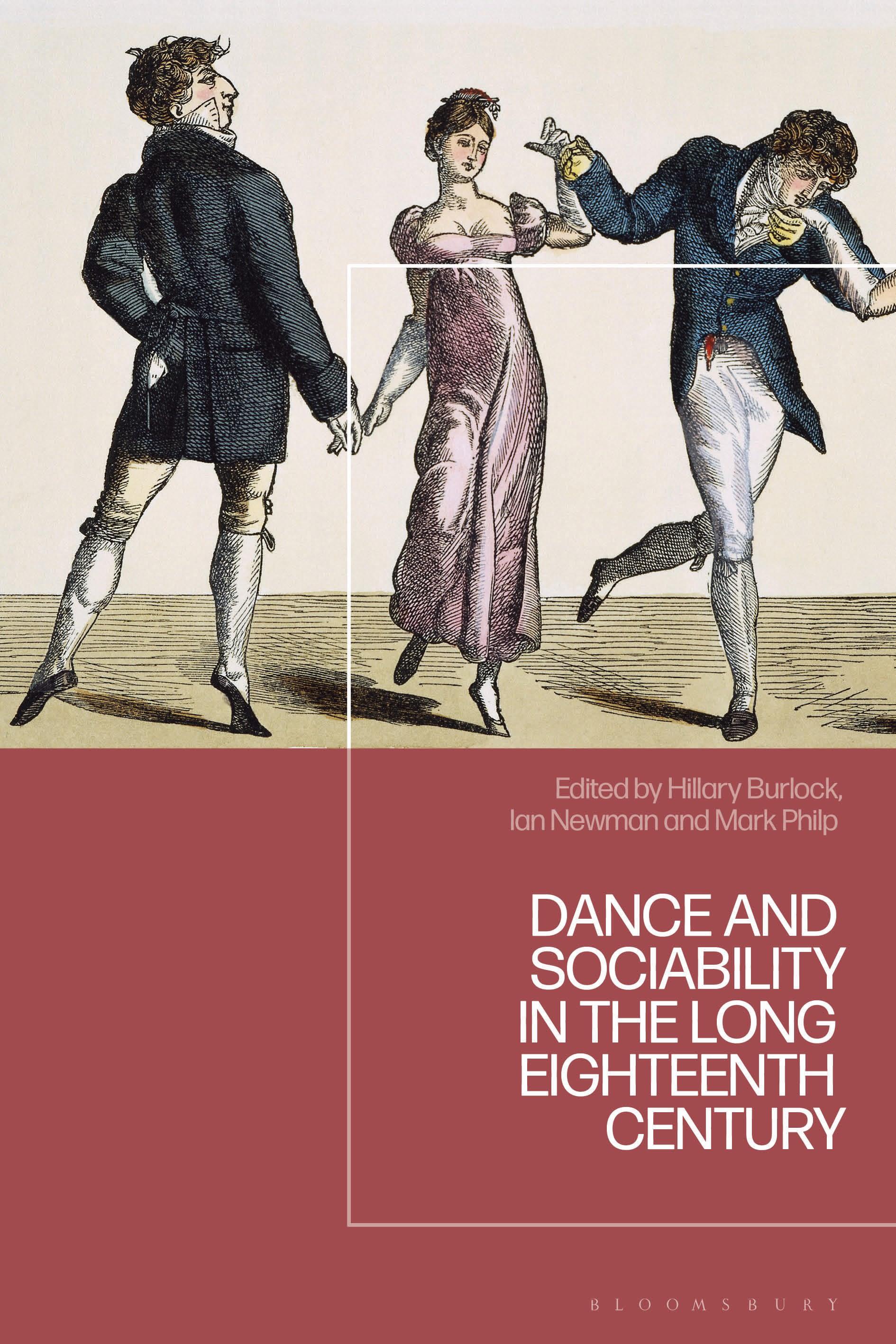
This collection challenges the dominant understandings of 18th-century sociability by placing dance, and the training and movement of the body, at its core. Rather than thinking of dance and music as peripheral ornaments to the complex business of Enlightenment society, it highlights them as important vehicles for the development and dissemination of the ideas and practices that shaped people's social, emotional and intellectual worlds.
Exploring the relationship between dance and sociability, and the development of both through the long 18th century, chapters in this collection span different practices in England, Scotland, colonial America, the West Indies, Germany, the Low Countries and Norway. Taking an interdisciplinary approach, they argue that dance, which was entangled with concerns about touch, dress and bodies, was integral to the ways in which 'enlightened sociability' was understood, performed and accepted.
Exploring the relationship between dance and sociability, and the development of both through the long 18th century, chapters in this collection span different practices in England, Scotland, colonial America, the West Indies, Germany, the Low Countries and Norway. Taking an interdisciplinary approach, they argue that dance, which was entangled with concerns about touch, dress and bodies, was integral to the ways in which 'enlightened sociability' was understood, performed and accepted.
Betal nemt med kort, Klarna, Apple Pay eller Google Pay. Ikke tilfreds? Du har altid 14 dages fortrydelsesret. Læs mere i vores vilkår. Har du spørgsmål, så send os en mail på hello@memmo.org.
Memmo gør det nemmere at studere – uanset hvor du er i verden. Hos os samler du dine kursusbøger og smarte studieværktøjer ét sted: resuméer, quizzer, podcasts og flashcards. Og så er der Ted, din studieven, der svarer på alt, du undrer dig over. Over 50 000 studerende studerer allerede her – bygget til at hjælpe dig med at lære hurtigere og stresse mindre.