
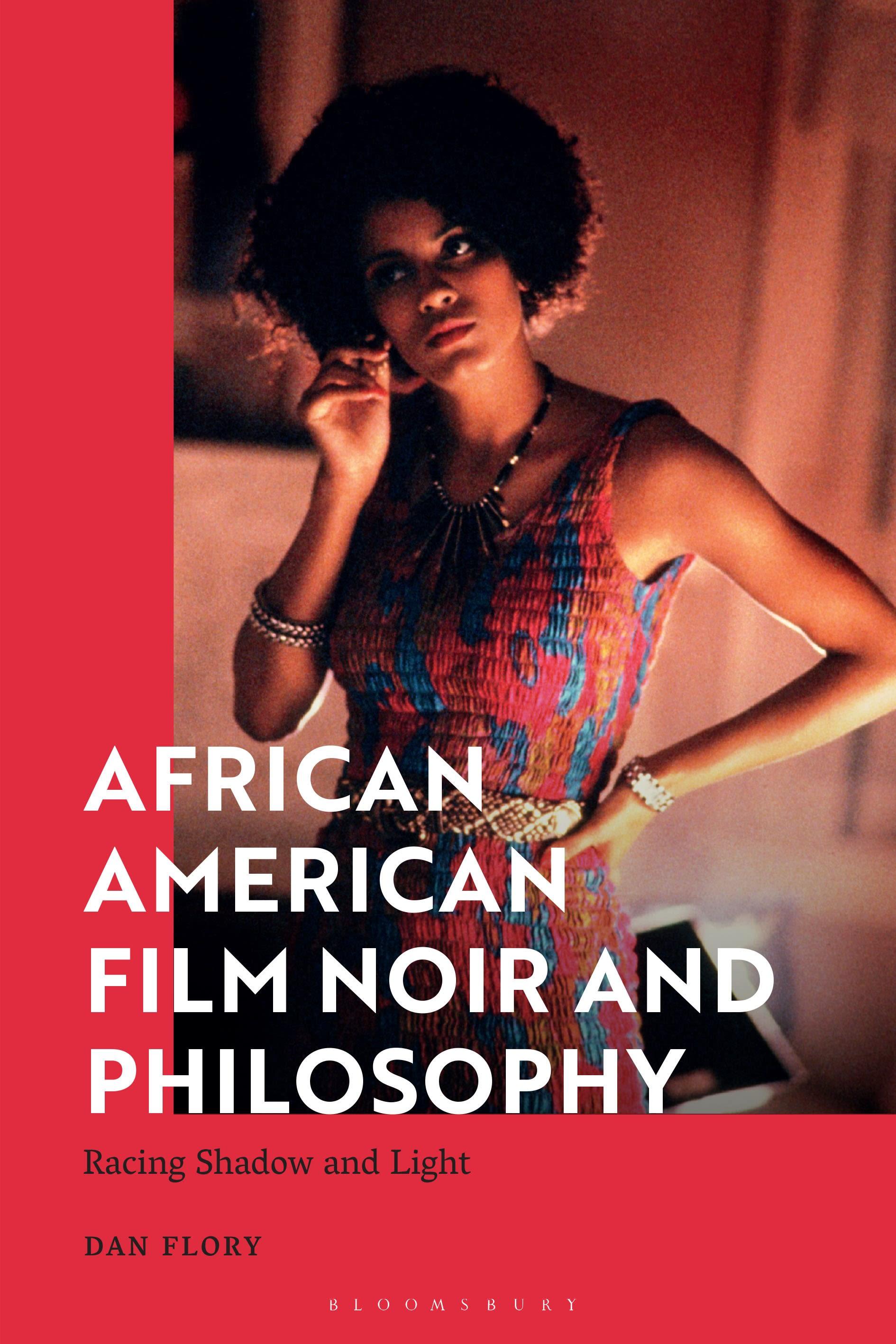
How have feelings, presumptions, and preconceptions concerning racialized Blackness intersected with film noir? Dan Flory relies on recent advances in philosophy of film, philosophy of emotion, cognitive film theory, and critical philosophy of race to guide his analyses of this well-known film genre.
Making sense of techniques, themes, and characterizations filmmakers have used in order to structure movies into film noirs, Flory focuses on those viewer responses that are not consciously registered by higher-level forms of cognition. He argues that embodied, affective, and implicit reactions are key to understanding how film noir typically conveys ideas, feelings, and perspectives concerning race.
Noir films by African American and other artists have frequently sought to elicit such embodied responses, rendering their investigation vital. In many cases, these artists have created works that aim, either explicitly or implicitly, to be filmed in the guise of philosophy by generating serious thoughtful reflection. By using advances from these theoretical subfields in conjunction with developments in mainstream, African American, and other kinds of filmmaking, Flory elucidates many under-analyzed dimensions of noir films and their intersection with racialized Blackness. Aiming to both diagnose as well as seek ways to overcome socio-political problems concerning anti-Blackness, Black invisibility, and the epistemic injustices they generate, Flory paves the way for revolutionary moral change.
Making sense of techniques, themes, and characterizations filmmakers have used in order to structure movies into film noirs, Flory focuses on those viewer responses that are not consciously registered by higher-level forms of cognition. He argues that embodied, affective, and implicit reactions are key to understanding how film noir typically conveys ideas, feelings, and perspectives concerning race.
Noir films by African American and other artists have frequently sought to elicit such embodied responses, rendering their investigation vital. In many cases, these artists have created works that aim, either explicitly or implicitly, to be filmed in the guise of philosophy by generating serious thoughtful reflection. By using advances from these theoretical subfields in conjunction with developments in mainstream, African American, and other kinds of filmmaking, Flory elucidates many under-analyzed dimensions of noir films and their intersection with racialized Blackness. Aiming to both diagnose as well as seek ways to overcome socio-political problems concerning anti-Blackness, Black invisibility, and the epistemic injustices they generate, Flory paves the way for revolutionary moral change.
Betal nemt med kort, Klarna, Apple Pay eller Google Pay. Ikke tilfreds? Du har altid 14 dages fortrydelsesret. Læs mere i vores vilkår. Har du spørgsmål, så send os en mail på hello@memmo.org.
Memmo gør det nemmere at studere – uanset hvor du er i verden. Hos os samler du dine kursusbøger og smarte studieværktøjer ét sted: resuméer, quizzer, podcasts og flashcards. Og så er der Ted, din studieven, der svarer på alt, du undrer dig over. Over 50 000 studerende studerer allerede her – bygget til at hjælpe dig med at lære hurtigere og stresse mindre.