
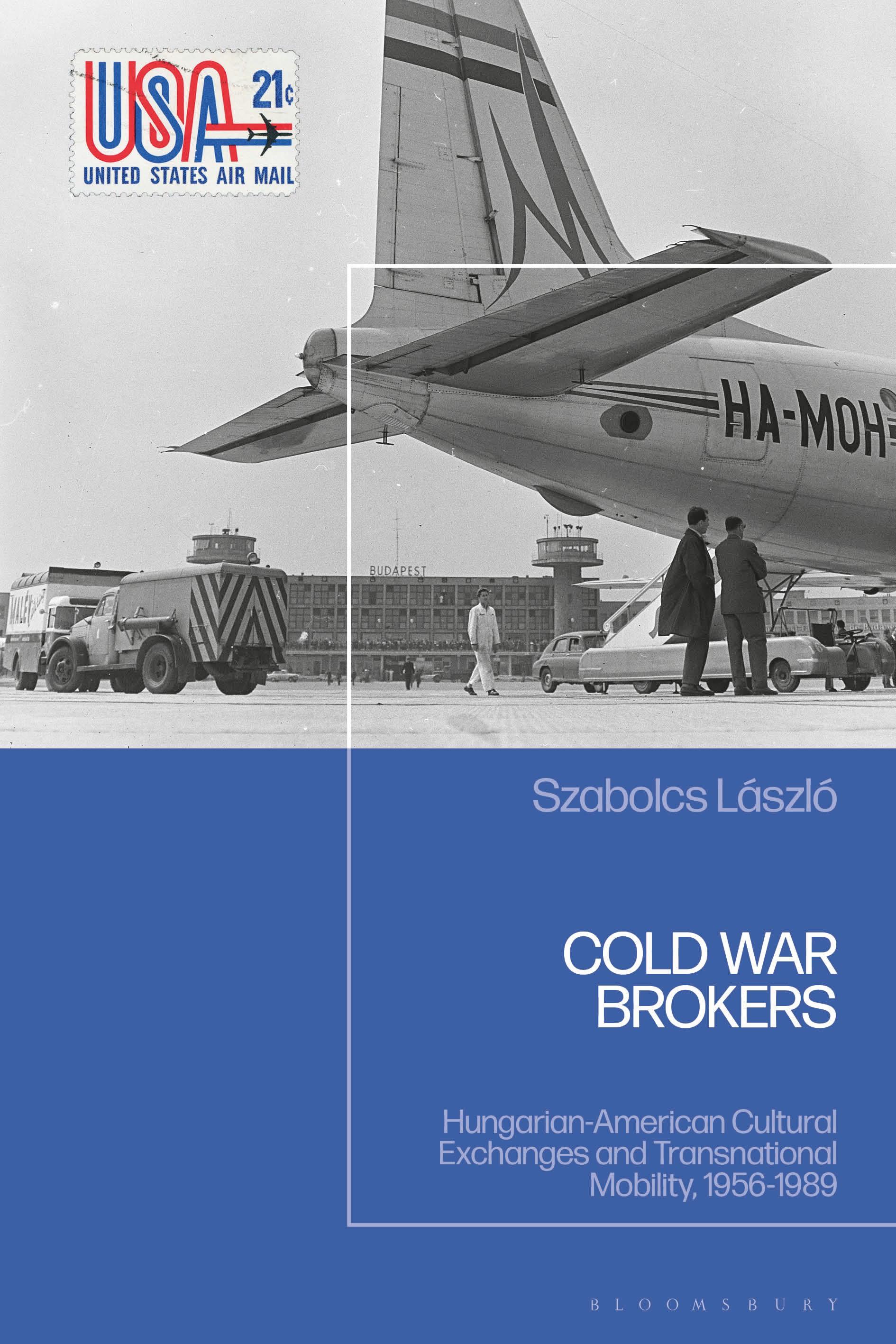
Examining Cold War encounters between Hungary and the US during the 1960s-80s, this book explores how academic and cultural mid-level mediators brokered official and informal ties between these separate geopolitical 'worlds' and identifies how their interactions shaped the cultural and scholarly environment of both countries.
Cold War Brokers follows the transnational adventures of writers, academics and teachers as they crossed the Iron Curtain literally and figuratively, facilitating the circulation of knowledge between the global centre and periphery. From Hungarian writers who toured the US with the International Writing Program, to music teachers who transferred the acclaimed Kodály-method to the US, and experts on Uralic and Altaic languages who introduced a separate branch of area studies to the US national security paradigm, these transnational mediators ushered in processes of inter-reliant modernization in cultural policy, education and science in both countries. Arguing that their collaboration could not merely undermine ideological dichotomies, but rewrite the history of the Cold War period and the imbalances of centre-periphery relations, László shows how non-state actors were able to use the opportunities presented by the Cold War for professional development and network building to achieve agency in Cold War encounters.
Cold War Brokers follows the transnational adventures of writers, academics and teachers as they crossed the Iron Curtain literally and figuratively, facilitating the circulation of knowledge between the global centre and periphery. From Hungarian writers who toured the US with the International Writing Program, to music teachers who transferred the acclaimed Kodály-method to the US, and experts on Uralic and Altaic languages who introduced a separate branch of area studies to the US national security paradigm, these transnational mediators ushered in processes of inter-reliant modernization in cultural policy, education and science in both countries. Arguing that their collaboration could not merely undermine ideological dichotomies, but rewrite the history of the Cold War period and the imbalances of centre-periphery relations, László shows how non-state actors were able to use the opportunities presented by the Cold War for professional development and network building to achieve agency in Cold War encounters.
Betal nemt med kort, Klarna, Apple Pay eller Google Pay. Ikke tilfreds? Du har altid 14 dages fortrydelsesret. Læs mere i vores vilkår. Har du spørgsmål, så send os en mail på hello@memmo.org.
Memmo gør det nemmere at studere – uanset hvor du er i verden. Hos os samler du dine kursusbøger og smarte studieværktøjer ét sted: resuméer, quizzer, podcasts og flashcards. Og så er der Ted, din studieven, der svarer på alt, du undrer dig over. Over 50 000 studerende studerer allerede her – bygget til at hjælpe dig med at lære hurtigere og stresse mindre.