
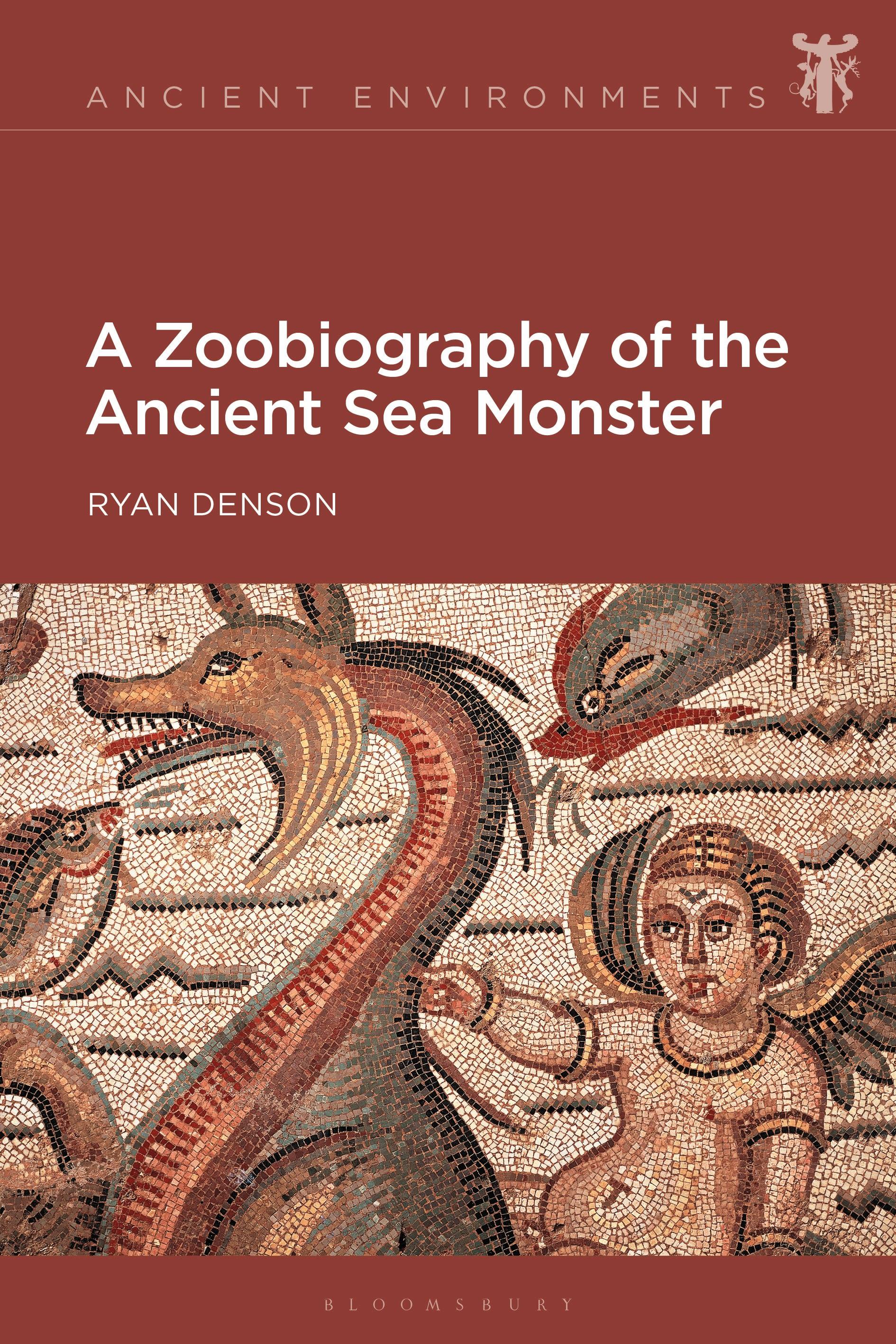
Examining a vast corpus of literary references and artistic representations, this volume offers the first comprehensive study of the ketos - the sea monster imagined by the ancient Greeks and Romans.
The chapters examine the three central traditions of thought that existed about this imaginary animal in Graeco-Roman culture. The first tradition concerns the ketos as a divinely associated monster: a force aligned with marine gods (chiefly Poseidon) and one which was fought by Heracles and Perseus. The second tradition features the ketos in more naturalised contexts, as depicted among ancient geographers and historians, as a type of monster roaming the distant waters of the Atlantic and Indian Oceans. The third tradition concerns the fusion of the ketos with Leviathan and the other Old Testament sea monsters in the minds of early Christians. Accordingly, this classical sea monster became the image of the creature that swallowed Jonah, and, alternatively, a monster associated with the Devil and cosmological evil.
While other monsters of Graeco-Roman mythology, such as the Minotaur and Medusa, are household names in modern popular culture, the ketos has effectively been lost in the modern imagination. Yet it was no small part of the Graeco-Roman imagination. This sea monster formed a key aspect as to how the sea-adjacent societies of ancient Greece and Rome perceived ancient marine environments. It was this fantastic sea beast that so haunted ancient mariners, and in turn, which contributed to ancient perceptions of the marine world as a profoundly alien and hostile environment.
The chapters examine the three central traditions of thought that existed about this imaginary animal in Graeco-Roman culture. The first tradition concerns the ketos as a divinely associated monster: a force aligned with marine gods (chiefly Poseidon) and one which was fought by Heracles and Perseus. The second tradition features the ketos in more naturalised contexts, as depicted among ancient geographers and historians, as a type of monster roaming the distant waters of the Atlantic and Indian Oceans. The third tradition concerns the fusion of the ketos with Leviathan and the other Old Testament sea monsters in the minds of early Christians. Accordingly, this classical sea monster became the image of the creature that swallowed Jonah, and, alternatively, a monster associated with the Devil and cosmological evil.
While other monsters of Graeco-Roman mythology, such as the Minotaur and Medusa, are household names in modern popular culture, the ketos has effectively been lost in the modern imagination. Yet it was no small part of the Graeco-Roman imagination. This sea monster formed a key aspect as to how the sea-adjacent societies of ancient Greece and Rome perceived ancient marine environments. It was this fantastic sea beast that so haunted ancient mariners, and in turn, which contributed to ancient perceptions of the marine world as a profoundly alien and hostile environment.
Sider: 232
Kategori: Biografi & Memoarer
e-ISBN: 9781350451896
Forsendelsesvægt: 1.2 kg
Sendes inden for: 1-2 dage
Betal nemt med kort, Klarna, Apple Pay eller Google Pay. Ikke tilfreds? Du har altid 14 dages fortrydelsesret. Læs mere i vores vilkår. Har du spørgsmål, så send os en mail på hello@memmo.org.
Memmo gør det nemmere at studere – uanset hvor du er i verden. Hos os samler du dine kursusbøger og smarte studieværktøjer ét sted: resuméer, quizzer, podcasts og flashcards. Og så er der Ted, din studieven, der svarer på alt, du undrer dig over. Over 50 000 studerende studerer allerede her – bygget til at hjælpe dig med at lære hurtigere og stresse mindre.