
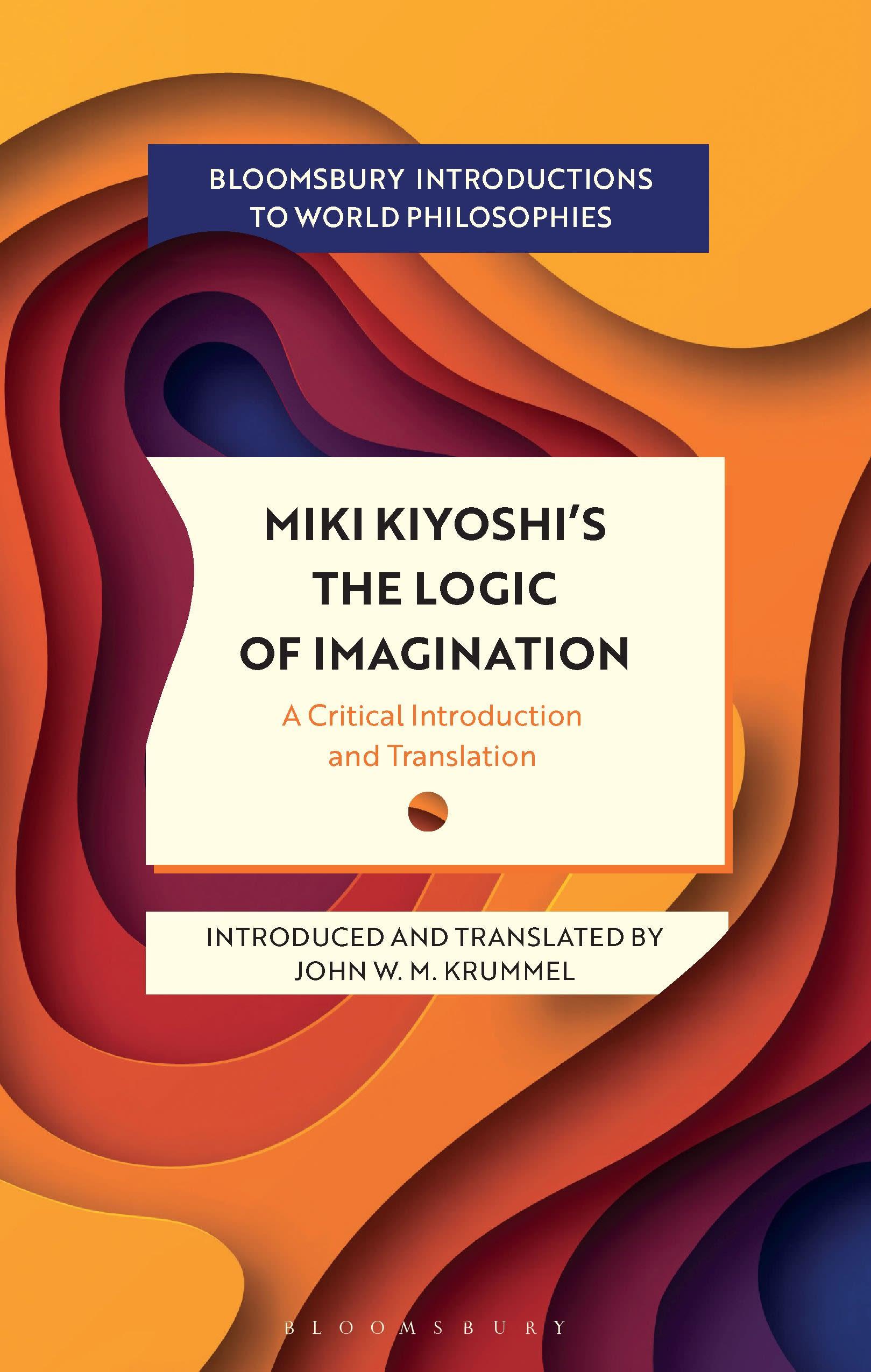
The Japanese philosopher Miki Kiyoshi opens doors to all those interested in rethinking the problem of imagination, myth, and technology.
Miki Kiyoshi is one of the central figures in the Kyoto School, often spoken of as the heir of Kitaro Nishida. Born in Japan in 1897, he died in prison shortly after the end of World War II in 1945 at the age of 48.
Miki's The Logic of Imagination first appeared in the journal Thought in 1937 under the themes of “Myth,” “Institution,” and “Technology”. The next part, “Experience,” was serialized in the same journal and Miki continued to work on the final part, but was never completed it due to his arrest.
This translation makes this seminal work available in English for the first time. Featuring an introduction and accompanied throughout by contextual notes, it includes essential information about Miki's life and work. Miki's philosophy of the imagination anticipated later theories found first in Hannah Arendt, and then in Paul Ricoeur and most recently in Charles Taylor. The connection Miki makes of the imagination with technology anticipates ideas of the technological imagination in Don Ihde and Bernard Stiegler.
Miki's thinking about the imagination illuminates our understanding of technology and how we behave in the world. This accessible, critical edition of his work does justice to one of the most unfairly underrated authors of Japanese philosophy.
Miki Kiyoshi is one of the central figures in the Kyoto School, often spoken of as the heir of Kitaro Nishida. Born in Japan in 1897, he died in prison shortly after the end of World War II in 1945 at the age of 48.
Miki's The Logic of Imagination first appeared in the journal Thought in 1937 under the themes of “Myth,” “Institution,” and “Technology”. The next part, “Experience,” was serialized in the same journal and Miki continued to work on the final part, but was never completed it due to his arrest.
This translation makes this seminal work available in English for the first time. Featuring an introduction and accompanied throughout by contextual notes, it includes essential information about Miki's life and work. Miki's philosophy of the imagination anticipated later theories found first in Hannah Arendt, and then in Paul Ricoeur and most recently in Charles Taylor. The connection Miki makes of the imagination with technology anticipates ideas of the technological imagination in Don Ihde and Bernard Stiegler.
Miki's thinking about the imagination illuminates our understanding of technology and how we behave in the world. This accessible, critical edition of his work does justice to one of the most unfairly underrated authors of Japanese philosophy.
Betal nemt med kort, Klarna, Apple Pay eller Google Pay. Ikke tilfreds? Du har altid 14 dages fortrydelsesret. Læs mere i vores vilkår. Har du spørgsmål, så send os en mail på hello@memmo.org.
Memmo gør det nemmere at studere – uanset hvor du er i verden. Hos os samler du dine kursusbøger og smarte studieværktøjer ét sted: resuméer, quizzer, podcasts og flashcards. Og så er der Ted, din studieven, der svarer på alt, du undrer dig over. Over 50 000 studerende studerer allerede her – bygget til at hjælpe dig med at lære hurtigere og stresse mindre.