
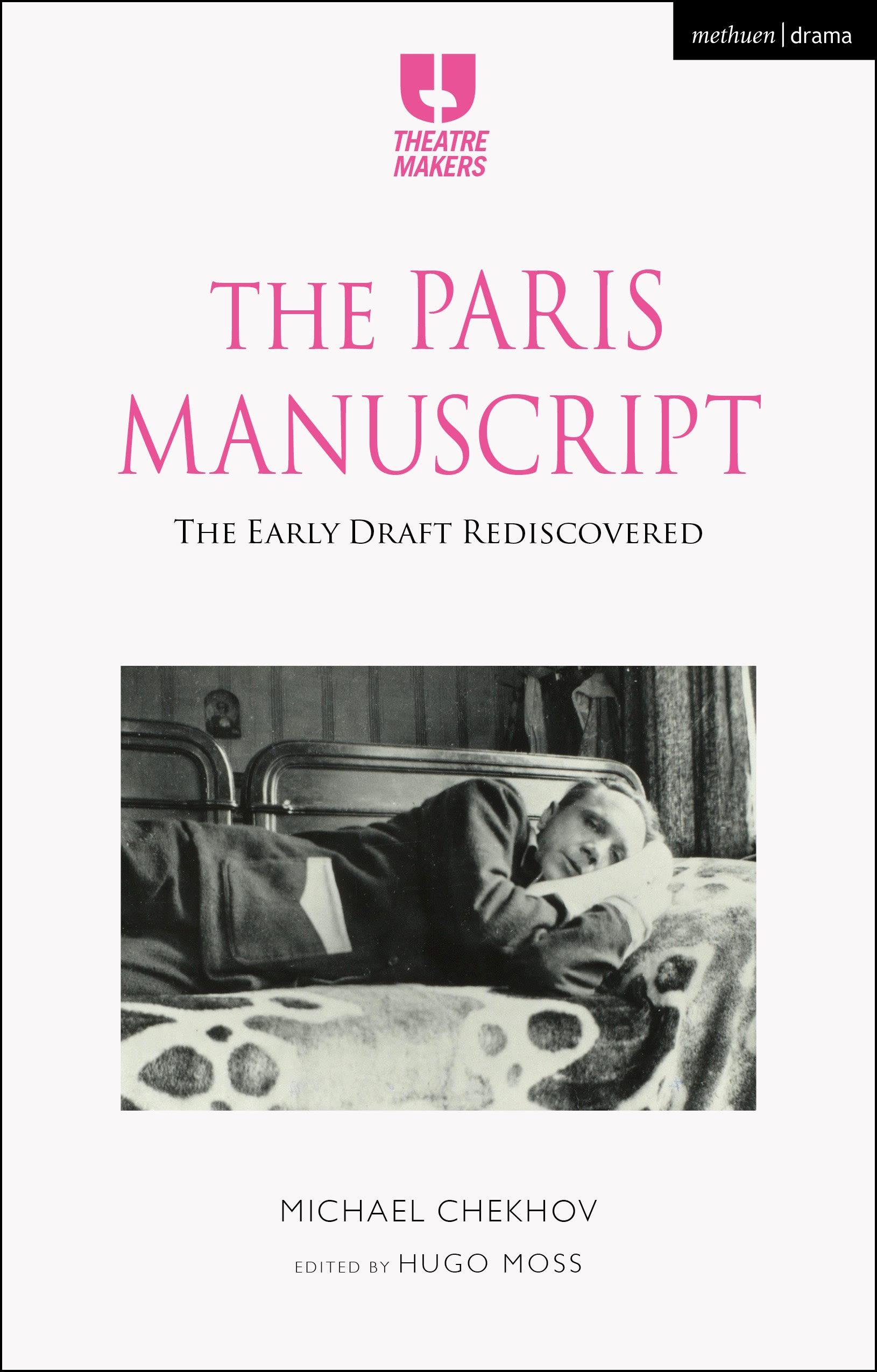
In the early 1930s, during his first years of exile and 20 years before the publication of his seminal work To the Actor, Michael Chekhov made his first incursion into the challenging task of writing about an actor's experience and his vision of the craft.
This important, though largely forgotten, work (the so-called 'Paris Manuscript') was handwritten in German and in it we find Chekhov laying the groundwork for the canon of exercises and practices that, nearly a century later, has widely become known as the Michael Chekhov Technique. Although never completed, the manuscript affords a privileged fly-on-the-wall glimpse of the dawning of an artistic genius's creative vision.
This manuscript was the result of Chekhov's rich collaboration with Swiss theatre director, painter and illustrator Georgette Boner, and the text itself is supplemented with facsimile scans of manuscript pages, photographs, correspondence and other material from Boner's personal archive.
As the popularity of the Michael Chekhov Technique continues to spread globally, the 'Paris Manuscript' offers a timely invitation for actors to take a step back and (re)discover for themselves the structural foundations of Michael Chekhov's vision.
Chekhov's text has been translated, edited and abridged by Hugo Moss, co-founder and director of Michael Chekhov Brasil, who has written an introduction and a series of short essays, 'Reflections From the Studio', which build on a few key elements emerging from the manuscript and over a decade of exploring Chekhov's artistic legacy in the studio environment and in performance.
This important, though largely forgotten, work (the so-called 'Paris Manuscript') was handwritten in German and in it we find Chekhov laying the groundwork for the canon of exercises and practices that, nearly a century later, has widely become known as the Michael Chekhov Technique. Although never completed, the manuscript affords a privileged fly-on-the-wall glimpse of the dawning of an artistic genius's creative vision.
This manuscript was the result of Chekhov's rich collaboration with Swiss theatre director, painter and illustrator Georgette Boner, and the text itself is supplemented with facsimile scans of manuscript pages, photographs, correspondence and other material from Boner's personal archive.
As the popularity of the Michael Chekhov Technique continues to spread globally, the 'Paris Manuscript' offers a timely invitation for actors to take a step back and (re)discover for themselves the structural foundations of Michael Chekhov's vision.
Chekhov's text has been translated, edited and abridged by Hugo Moss, co-founder and director of Michael Chekhov Brasil, who has written an introduction and a series of short essays, 'Reflections From the Studio', which build on a few key elements emerging from the manuscript and over a decade of exploring Chekhov's artistic legacy in the studio environment and in performance.
Betal nemt med kort, Klarna, Apple Pay eller Google Pay. Ikke tilfreds? Du har altid 14 dages fortrydelsesret. Læs mere i vores vilkår. Har du spørgsmål, så send os en mail på hello@memmo.org.
Memmo gør det nemmere at studere – uanset hvor du er i verden. Hos os samler du dine kursusbøger og smarte studieværktøjer ét sted: resuméer, quizzer, podcasts og flashcards. Og så er der Ted, din studieven, der svarer på alt, du undrer dig over. Over 50 000 studerende studerer allerede her – bygget til at hjælpe dig med at lære hurtigere og stresse mindre.