
'Richard Wilson's meticulously researched, powerfully argued and brilliantly written account of Shakespeare's 20th-century fascist followers is not just an important but a genuinely essential book.' Robert Shaughnessy, Guildford School of Acting, UK
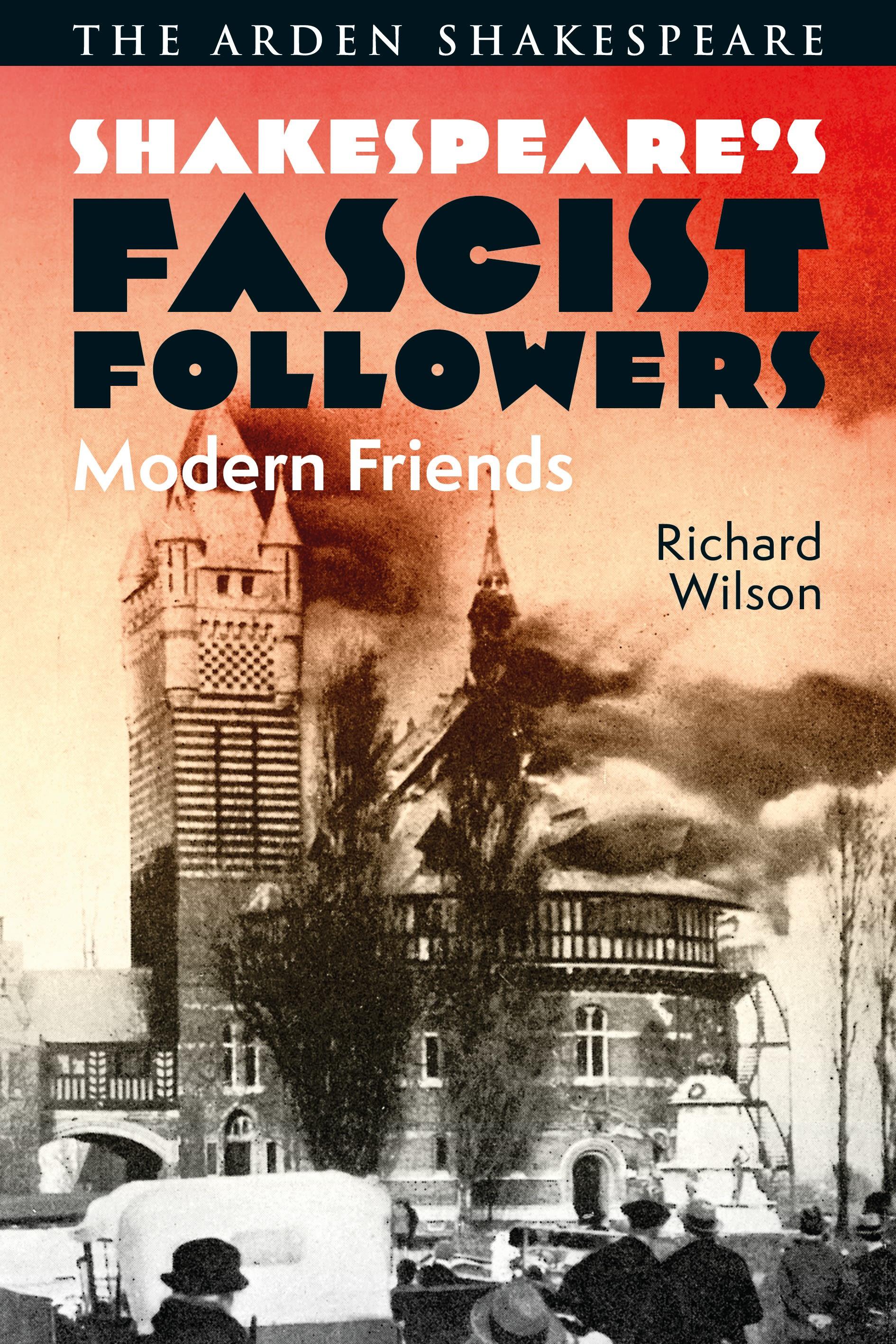
In this illuminating book Richard Wilson demonstrates how in the 20th century Shakespeare's plays and poems were persistently misread as documents which voiced the fascist sympathies of their author. Wilson argues that the version of Shakespeare this caricature produced – authoritarian, jingoistic, racially intolerant, misogynistic – was viewed with satisfaction by many of the leading figures of the century's cultural establishment in Britain and America, while noting striking cases of the same bias in Germany and France.
Some of the names this book focuses on will surprise: many of the right-wing political views or leanings of the prominent figures discussed have been left unexplored or ignored: from A. K. Chesterton, who was both editor of the British Union of Fascists' newspaper Blackshirt and former manager of press and publicity at the Shakespeare Memorial Theatre, to celebrated Shakespeareans such as G. Wilson Knight and writers, artists and theatre practitioners including W. B. Yeats, T. S. Eliot, Edward Gordon Craig and Marshall McLuhan. At a time when democracy is under threat, populism is on the rise and far right views are increasingly prominent in our political discourse, Richard Wilson's book makes an especially vital contribution to Shakespeare scholarship.
In this illuminating book Richard Wilson demonstrates how in the 20th century Shakespeare's plays and poems were persistently misread as documents which voiced the fascist sympathies of their author. Wilson argues that the version of Shakespeare this caricature produced – authoritarian, jingoistic, racially intolerant, misogynistic – was viewed with satisfaction by many of the leading figures of the century's cultural establishment in Britain and America, while noting striking cases of the same bias in Germany and France.
Some of the names this book focuses on will surprise: many of the right-wing political views or leanings of the prominent figures discussed have been left unexplored or ignored: from A. K. Chesterton, who was both editor of the British Union of Fascists' newspaper Blackshirt and former manager of press and publicity at the Shakespeare Memorial Theatre, to celebrated Shakespeareans such as G. Wilson Knight and writers, artists and theatre practitioners including W. B. Yeats, T. S. Eliot, Edward Gordon Craig and Marshall McLuhan. At a time when democracy is under threat, populism is on the rise and far right views are increasingly prominent in our political discourse, Richard Wilson's book makes an especially vital contribution to Shakespeare scholarship.
Betal nemt med kort, Klarna, Apple Pay eller Google Pay. Ikke tilfreds? Du har altid 14 dages fortrydelsesret. Læs mere i vores vilkår. Har du spørgsmål, så send os en mail på hello@memmo.org.
Memmo gør det nemmere at studere – uanset hvor du er i verden. Hos os samler du dine kursusbøger og smarte studieværktøjer ét sted: resuméer, quizzer, podcasts og flashcards. Og så er der Ted, din studieven, der svarer på alt, du undrer dig over. Over 50 000 studerende studerer allerede her – bygget til at hjælpe dig med at lære hurtigere og stresse mindre.