
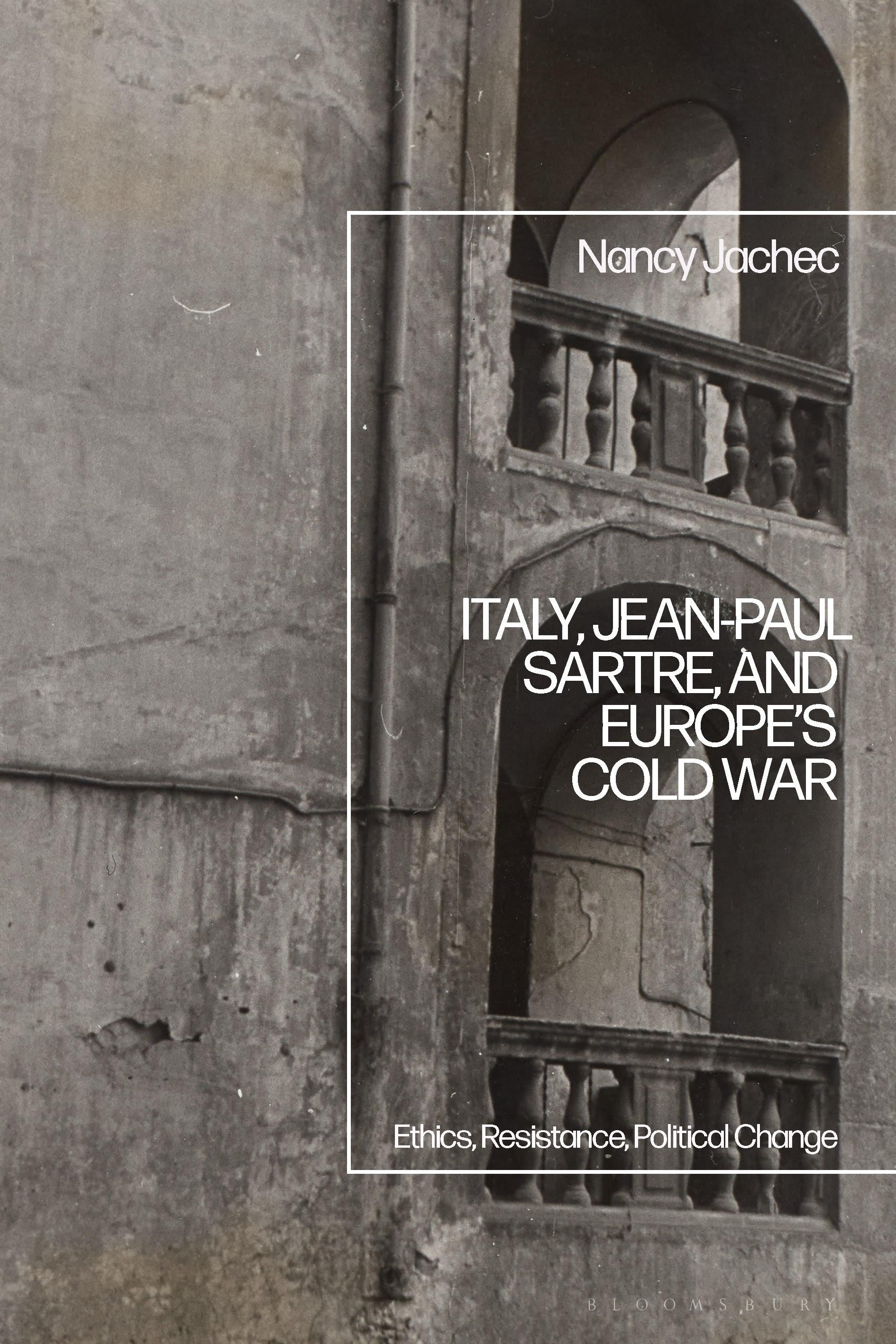
Based on extensive, largely unpublished material by and about Sartre from archives across Europe, this book explores Sartre's lifelong relationship with Italy, its culture, society and, above all, its intellectual left.
Starting with his dawning awareness of politics as foremost a moral responsibility during his first tourist trips to Naples in the 1930s and the poverty he encountered there, Italy, Jean-Paul Sartre, and Europe's Cold War then examines the relationships Sartre forged with a number of Italian liberal, leftist and communist intellectuals after the war. Not only did they immediately draw him into debates over the ethical crisis that they held responsible for fascism, the war, and now, Europe's Cold War. Several of them became lifelong friends of his, as well as collaborators in a number of efforts to address that moral crisis in Italy and, by the late 1950s, in Eastern Europe. Reconstructing the networks they established through cultural organizations they founded themselves, Nancy Jachec traces how Sartre and his ideas were brought into the Soviet Union, Poland and Czechoslovakia in pursuit of a democratic socialism.
Using private correspondence, press reports, memoirs, embassy dispatches, government committee minutes, and surveillance and intelligence reports from Eastern and Western sources, this book reconstructs Sartre's activities and the impact they had in a way that he did not foresee. While his many discussions with his Italian peers on the theme of political morality led him to support the New Left in spite of its organizational problems, in Poland and Czechoslovakia his work was taken in a very different direction, where intellectuals would go on to assume real political responsibility.
Starting with his dawning awareness of politics as foremost a moral responsibility during his first tourist trips to Naples in the 1930s and the poverty he encountered there, Italy, Jean-Paul Sartre, and Europe's Cold War then examines the relationships Sartre forged with a number of Italian liberal, leftist and communist intellectuals after the war. Not only did they immediately draw him into debates over the ethical crisis that they held responsible for fascism, the war, and now, Europe's Cold War. Several of them became lifelong friends of his, as well as collaborators in a number of efforts to address that moral crisis in Italy and, by the late 1950s, in Eastern Europe. Reconstructing the networks they established through cultural organizations they founded themselves, Nancy Jachec traces how Sartre and his ideas were brought into the Soviet Union, Poland and Czechoslovakia in pursuit of a democratic socialism.
Using private correspondence, press reports, memoirs, embassy dispatches, government committee minutes, and surveillance and intelligence reports from Eastern and Western sources, this book reconstructs Sartre's activities and the impact they had in a way that he did not foresee. While his many discussions with his Italian peers on the theme of political morality led him to support the New Left in spite of its organizational problems, in Poland and Czechoslovakia his work was taken in a very different direction, where intellectuals would go on to assume real political responsibility.
Betal nemt med kort, Klarna, Apple Pay eller Google Pay. Ikke tilfreds? Du har altid 14 dages fortrydelsesret. Læs mere i vores vilkår. Har du spørgsmål, så send os en mail på hello@memmo.org.
Memmo gør det nemmere at studere – uanset hvor du er i verden. Hos os samler du dine kursusbøger og smarte studieværktøjer ét sted: resuméer, quizzer, podcasts og flashcards. Og så er der Ted, din studieven, der svarer på alt, du undrer dig over. Over 50 000 studerende studerer allerede her – bygget til at hjælpe dig med at lære hurtigere og stresse mindre.