
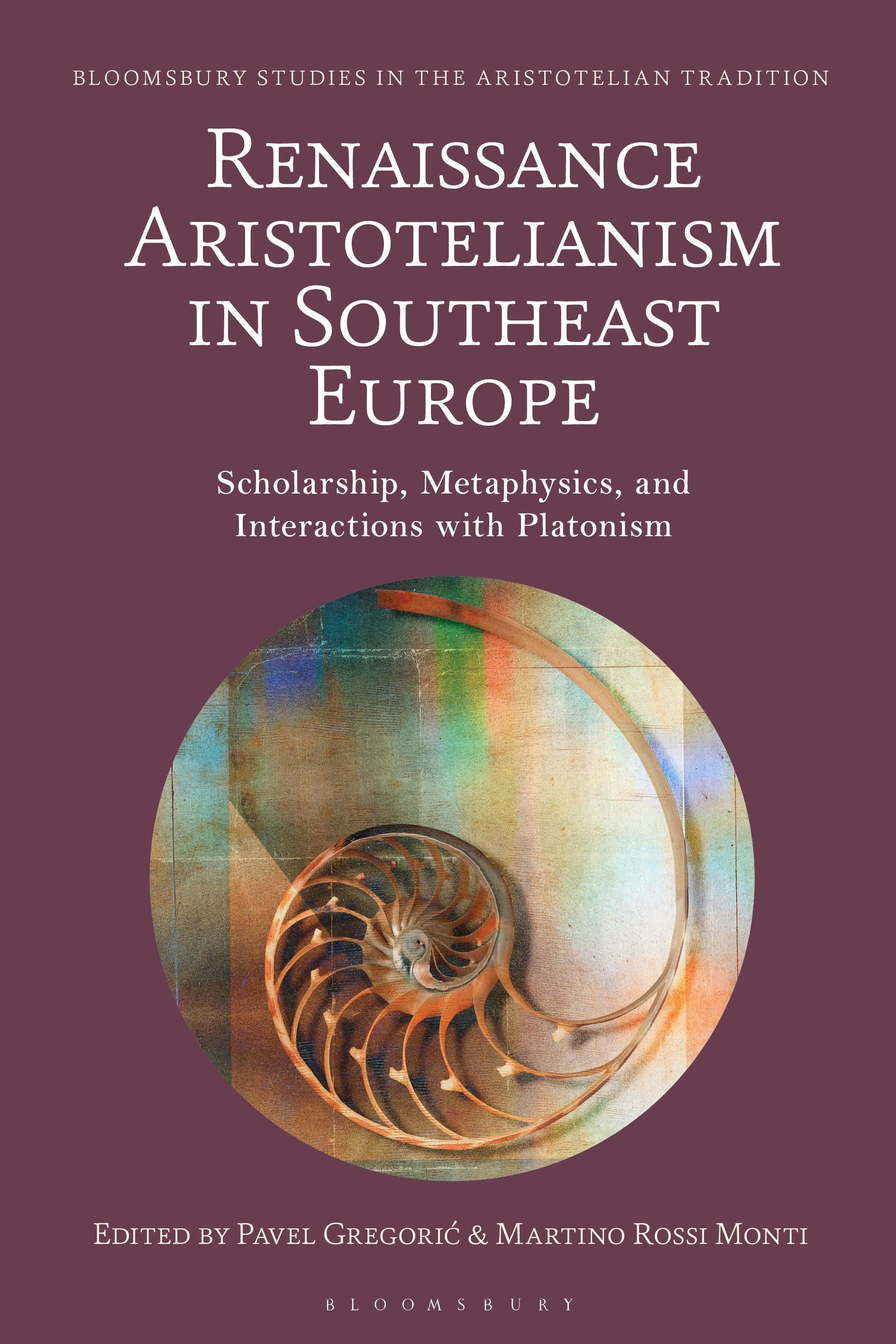
In this volume, leading scholars explore aspects of Renaissance Aristotelianism in the overlooked region of Southeast Europe.
Uncovering forgotten texts, neglected topics, and little-known authors, ten chapters examine the philosophies and scholarly practices of figures including Antonio Zara, Nikola Vitov Gucetic (Nicolaus Viti Gozzius), Matija Frkic (Matthaeus Ferchius), Juraj Dubrovcanin (Georgius Raguseius), and Daniel Furlanus.
The volume is organized into three sections. 'Scholarship' explores various aspects of accumulation, organization, and the display of knowledge typical for the Renaissance period. 'Metaphysics' looks at Aristotelian cosmological theories and doctrines, as well as exceptions to the general demise of metaphysics as a discipline in the Renaissance. 'Interactions with Platonism' provides different angles on how Renaissance philosophers handled the authority and the intellectual legacy of the two towering figures, Plato and Aristotle. In so doing, this volume provides insight into a number of topics central to Renaissance Aristotelianism in general.
Beginning with an Editors' Introduction offering vital context to the differing interpretations of Aristotelianism at the time, as well as a brief history of the areas in focus, this is an essential resource for anyone wanting to broaden their understanding of Renaissance Aristotelianism beyond the oft-examined cultural centres of Western Europe.
Uncovering forgotten texts, neglected topics, and little-known authors, ten chapters examine the philosophies and scholarly practices of figures including Antonio Zara, Nikola Vitov Gucetic (Nicolaus Viti Gozzius), Matija Frkic (Matthaeus Ferchius), Juraj Dubrovcanin (Georgius Raguseius), and Daniel Furlanus.
The volume is organized into three sections. 'Scholarship' explores various aspects of accumulation, organization, and the display of knowledge typical for the Renaissance period. 'Metaphysics' looks at Aristotelian cosmological theories and doctrines, as well as exceptions to the general demise of metaphysics as a discipline in the Renaissance. 'Interactions with Platonism' provides different angles on how Renaissance philosophers handled the authority and the intellectual legacy of the two towering figures, Plato and Aristotle. In so doing, this volume provides insight into a number of topics central to Renaissance Aristotelianism in general.
Beginning with an Editors' Introduction offering vital context to the differing interpretations of Aristotelianism at the time, as well as a brief history of the areas in focus, this is an essential resource for anyone wanting to broaden their understanding of Renaissance Aristotelianism beyond the oft-examined cultural centres of Western Europe.
Betal nemt med kort, Klarna, Apple Pay eller Google Pay. Ikke tilfreds? Du har altid 14 dages fortrydelsesret. Læs mere i vores vilkår. Har du spørgsmål, så send os en mail på hello@memmo.org.
Memmo gør det nemmere at studere – uanset hvor du er i verden. Hos os samler du dine kursusbøger og smarte studieværktøjer ét sted: resuméer, quizzer, podcasts og flashcards. Og så er der Ted, din studieven, der svarer på alt, du undrer dig over. Over 50 000 studerende studerer allerede her – bygget til at hjælpe dig med at lære hurtigere og stresse mindre.