
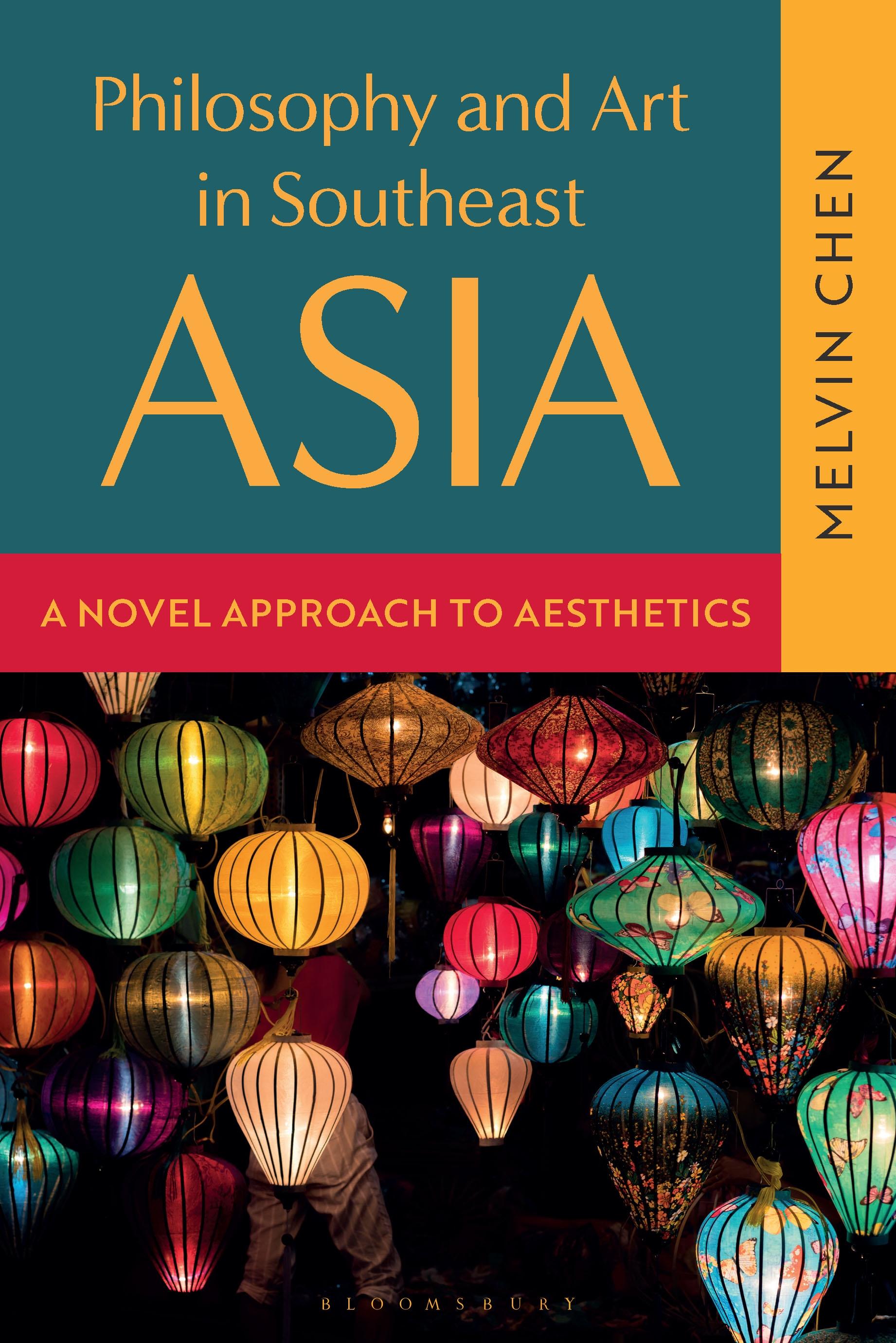
Guiding you through the topics that shape aesthetics and the philosophy of art, this introduction explores the truth, meaning, taste, aesthetic merit and judgement, creativity and the possibility of machine art, and morality and the possibility of immoral art. Each chapter offers a wealth of examples from Southeast Asia, including the Nanyang style of painting, the mooi indie genre and its postcolonial legacy, groundbreaking works of poetry and literature, dragon kiln pottery, the art of making ang ku kueh, contemporary conceptual art, the dikir barat and the balitaw.
Selected for their merit, boldness and connection to the Southeast Asian region, these artworks traverse art and craft, visual art and music, perceptual and conceptual art, real-life and hypothetical examples and folk and fine art. As case studies, these artworks allow us to deal with controversies and address central questions including:
- When are artworks considered dangerous?
- Why does Socrates recommend the banishment of the poets?
- What are the problems and challenges posed by forgery?
- How do we resolve ambiguity when interpreting and making sense of works of art?
- Can there be such a thing as immoral art?
A sense of awareness of context and situatedness runs throughout Philosophy and Art in Southeast Asia. The texture, fabric and flavour of each example is woven into a rigorous philosophical analysis of aesthetic and artistic matters.
Making art and aesthetics more relatable, here is a creative and accessible introduction that inspires a love for art and aesthetics. For anyone interested in understanding the cultural underpinnings of aesthetics outside of the traditional canon, it is essential reading.
Selected for their merit, boldness and connection to the Southeast Asian region, these artworks traverse art and craft, visual art and music, perceptual and conceptual art, real-life and hypothetical examples and folk and fine art. As case studies, these artworks allow us to deal with controversies and address central questions including:
- When are artworks considered dangerous?
- Why does Socrates recommend the banishment of the poets?
- What are the problems and challenges posed by forgery?
- How do we resolve ambiguity when interpreting and making sense of works of art?
- Can there be such a thing as immoral art?
A sense of awareness of context and situatedness runs throughout Philosophy and Art in Southeast Asia. The texture, fabric and flavour of each example is woven into a rigorous philosophical analysis of aesthetic and artistic matters.
Making art and aesthetics more relatable, here is a creative and accessible introduction that inspires a love for art and aesthetics. For anyone interested in understanding the cultural underpinnings of aesthetics outside of the traditional canon, it is essential reading.
Betal nemt med kort, Klarna, Apple Pay eller Google Pay. Ikke tilfreds? Du har altid 14 dages fortrydelsesret. Læs mere i vores vilkår. Har du spørgsmål, så send os en mail på hello@memmo.org.
Memmo gør det nemmere at studere – uanset hvor du er i verden. Hos os samler du dine kursusbøger og smarte studieværktøjer ét sted: resuméer, quizzer, podcasts og flashcards. Og så er der Ted, din studieven, der svarer på alt, du undrer dig over. Over 50 000 studerende studerer allerede her – bygget til at hjælpe dig med at lære hurtigere og stresse mindre.