
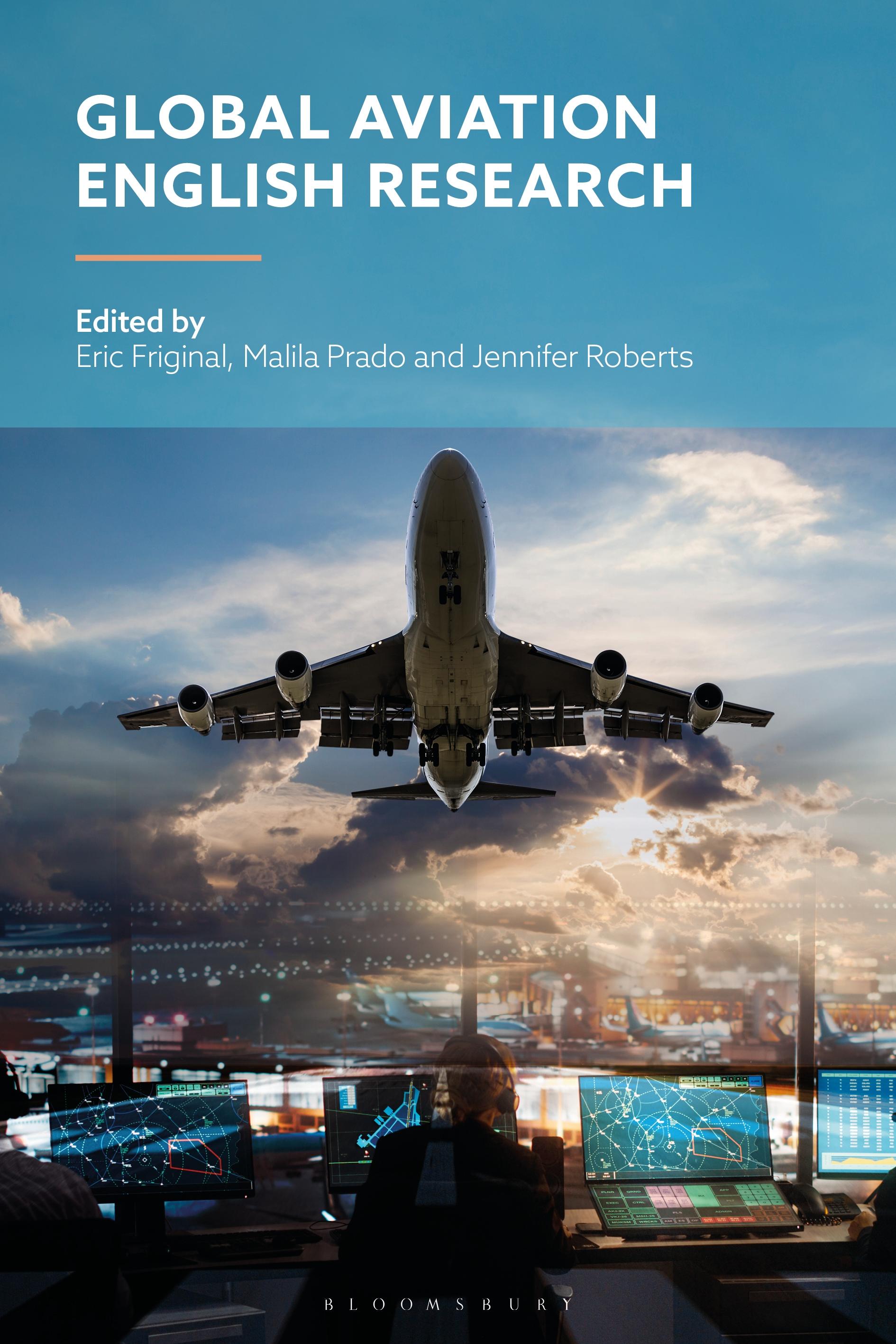
Advocating for best practices within aviation English language research, this volume offers deeper insights into the practical, policy-based, and societal contexts in which International Civil Aviation Organization (ICAO) language standards are embedded.
English is the official language for international pilot-air traffic controller (ATC) communications, mandated by the ICAO. It is also the de facto universal common language for all other forms of communication, including the language of maintenance technicians (and maintenance manuals), aeronautical engineers, cabin crew, ground staff, and aviation business professionals. In this book, renowned academic experts and aviation professionals come together to explore a variety of research trends, providing an effective and efficient analysis of the language needs of the aviation industry, its future directions, and an extended look at linguistic principles in action. Chapters engage in detail with research data, case studies, and concrete examples of interactional tasks, transactional exchanges and radiotelephony. They also examine the common vocabulary and phrasal patterns in aviation discourse required to communicate successfully in various roles and contexts within the aviation industry. The result is a meaningful contribution to the global development and improvement of standards of aviation research; investigations of the role of language in aviation accidents; and research into language as a human factor in aviation communications, customer service, and intercultural (mis)communication.
English is the official language for international pilot-air traffic controller (ATC) communications, mandated by the ICAO. It is also the de facto universal common language for all other forms of communication, including the language of maintenance technicians (and maintenance manuals), aeronautical engineers, cabin crew, ground staff, and aviation business professionals. In this book, renowned academic experts and aviation professionals come together to explore a variety of research trends, providing an effective and efficient analysis of the language needs of the aviation industry, its future directions, and an extended look at linguistic principles in action. Chapters engage in detail with research data, case studies, and concrete examples of interactional tasks, transactional exchanges and radiotelephony. They also examine the common vocabulary and phrasal patterns in aviation discourse required to communicate successfully in various roles and contexts within the aviation industry. The result is a meaningful contribution to the global development and improvement of standards of aviation research; investigations of the role of language in aviation accidents; and research into language as a human factor in aviation communications, customer service, and intercultural (mis)communication.
Betal nemt med kort, Klarna, Apple Pay eller Google Pay. Ikke tilfreds? Du har altid 14 dages fortrydelsesret. Læs mere i vores vilkår. Har du spørgsmål, så send os en mail på hello@memmo.org.
Memmo gør det nemmere at studere – uanset hvor du er i verden. Hos os samler du dine kursusbøger og smarte studieværktøjer ét sted: resuméer, quizzer, podcasts og flashcards. Og så er der Ted, din studieven, der svarer på alt, du undrer dig over. Over 50 000 studerende studerer allerede her – bygget til at hjælpe dig med at lære hurtigere og stresse mindre.