
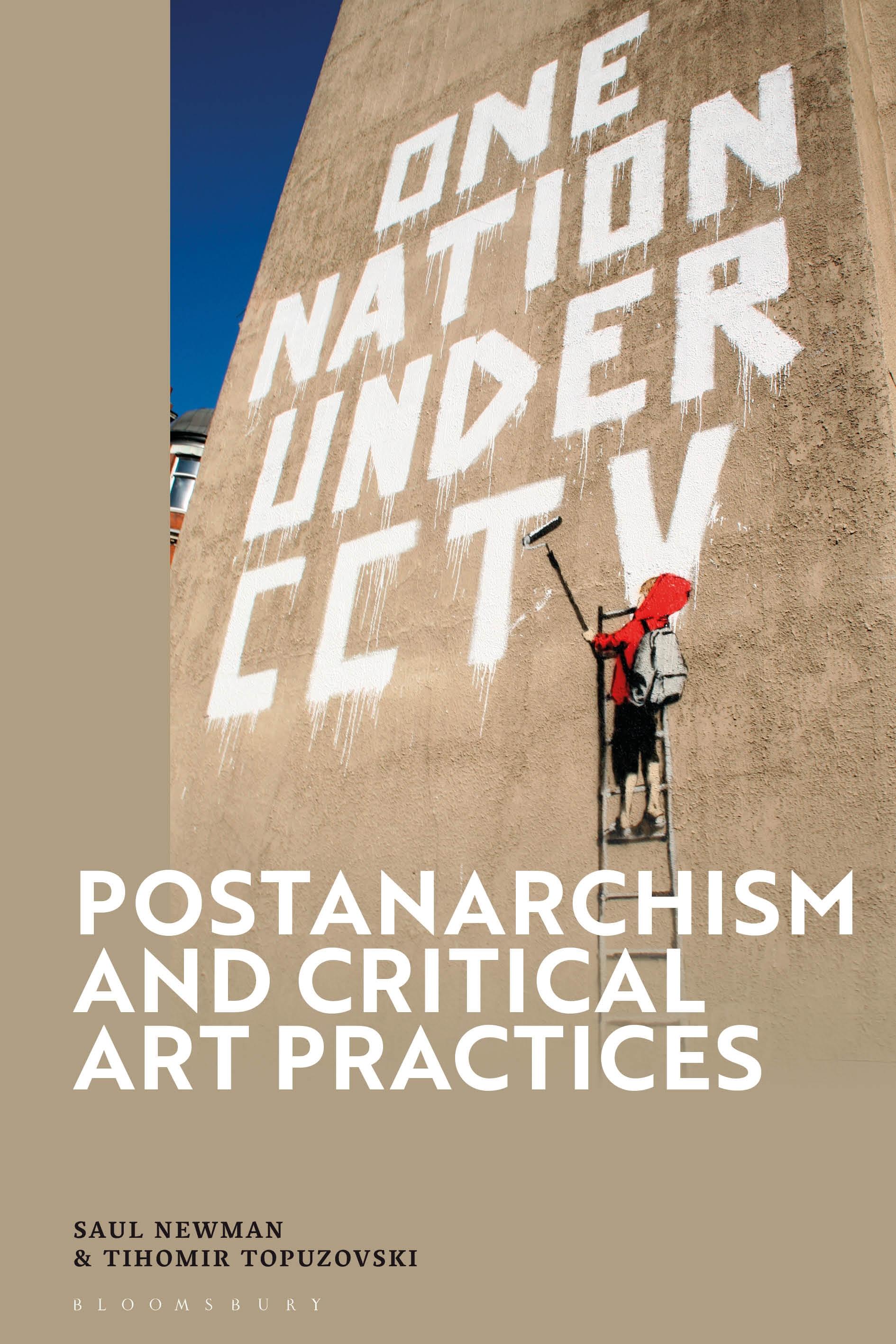
Engaging with contemporary debates about the political role of art in an era of total market subsumption, this book shows how artists respond to the challenges of political authoritarianism, police violence, right-wing populism, 'post-truth' discourse, economic inequality, pandemics, and the environmental crisis, transforming the public sphere in new and unexpected ways. Going beyond sterile debates about identity politics, diversity and representation that beset the mainstream media, university campuses and other cultural domains, the volume illustrates the ways in which artists are opening up alternative sites of contestation, occupation, and autonomous political thought and action.
Newman and Topuzovski examine here the artistic practices of multiple collectives and individuals deeply engaged with social and political activities such as Grupo de Arte Callejero (GAC) and Voina, arguing that the best way to understand these new critical discourses and practices is through an updated political theory of anarchism - or what we call postanarchism - where the insurrection against power and the politics of singularity are central. Featuring, for instance, an examination of significant movements such as Black Lives Matter, as well as its use of artistic tactics such as graffiti, graphic design and movement art, the book launches itself into a vibrant discussion of the extent to which art can produce a multiplicity of practices through the deconstruction of existing legal, political, and cultural identities.
By developing an alternative way of exploring the nexus between art and politics through the idea of postanarchism, this book bridges the gap between the two, promoting an understanding of the political role that art can play today and introduces a theory of postanarchism to a non-specialist audience of artists, activists and those generally interested in new sites and directions for radical politics.
Newman and Topuzovski examine here the artistic practices of multiple collectives and individuals deeply engaged with social and political activities such as Grupo de Arte Callejero (GAC) and Voina, arguing that the best way to understand these new critical discourses and practices is through an updated political theory of anarchism - or what we call postanarchism - where the insurrection against power and the politics of singularity are central. Featuring, for instance, an examination of significant movements such as Black Lives Matter, as well as its use of artistic tactics such as graffiti, graphic design and movement art, the book launches itself into a vibrant discussion of the extent to which art can produce a multiplicity of practices through the deconstruction of existing legal, political, and cultural identities.
By developing an alternative way of exploring the nexus between art and politics through the idea of postanarchism, this book bridges the gap between the two, promoting an understanding of the political role that art can play today and introduces a theory of postanarchism to a non-specialist audience of artists, activists and those generally interested in new sites and directions for radical politics.
Sider: 200
Kategori: Konst, Design & Fotografi
e-ISBN: 9781350410367
Forsendelsesvægt: 1.2 kg
Sendes inden for: 1-2 dage
Betal nemt med kort, Klarna, Apple Pay eller Google Pay. Ikke tilfreds? Du har altid 14 dages fortrydelsesret. Læs mere i vores vilkår. Har du spørgsmål, så send os en mail på hello@memmo.org.
Memmo gør det nemmere at studere – uanset hvor du er i verden. Hos os samler du dine kursusbøger og smarte studieværktøjer ét sted: resuméer, quizzer, podcasts og flashcards. Og så er der Ted, din studieven, der svarer på alt, du undrer dig over. Over 50 000 studerende studerer allerede her – bygget til at hjælpe dig med at lære hurtigere og stresse mindre.