
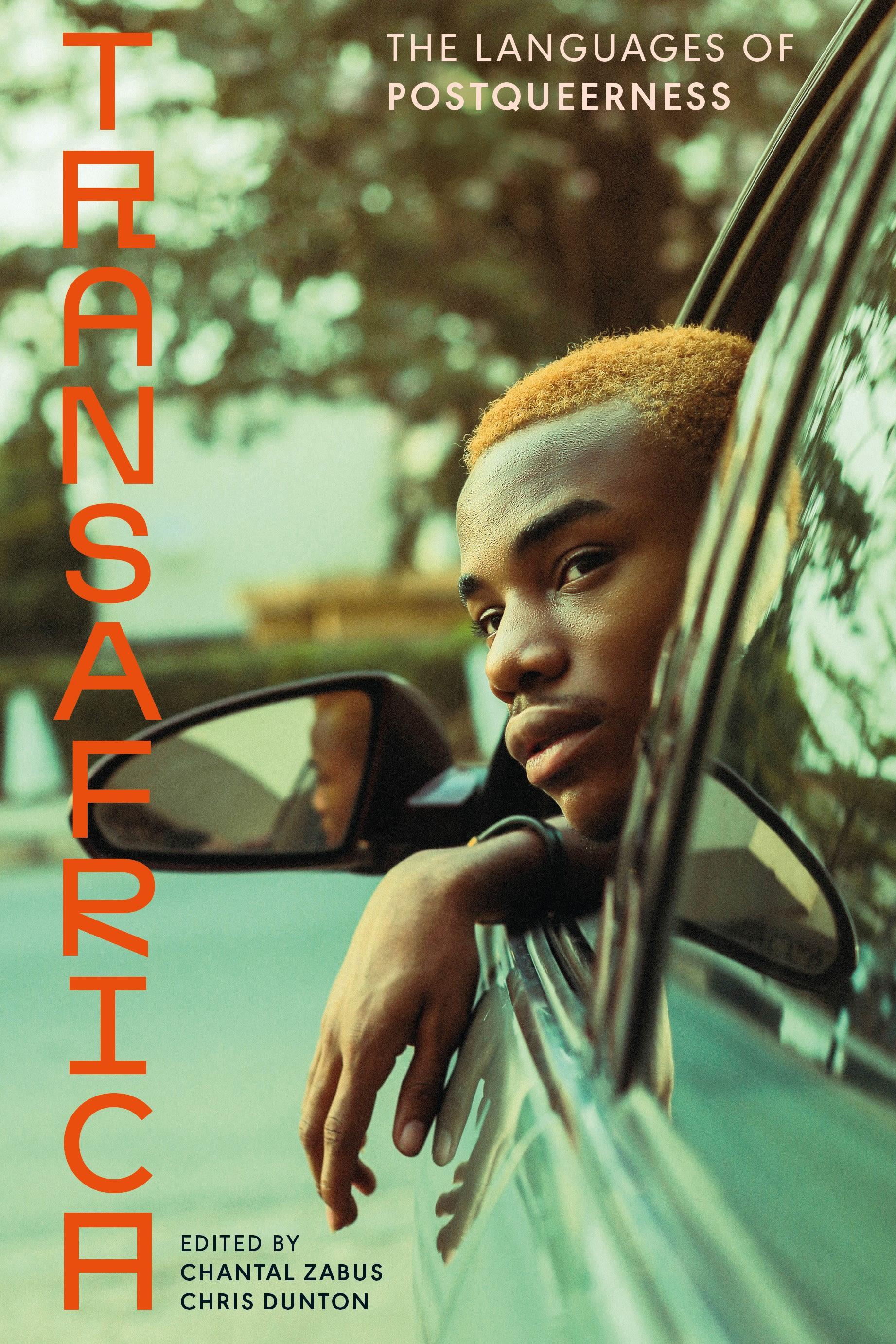
Transafrica explores this new lexical culture in cultural materials (novels, poetry, testimonies/life stories, interviews, film, visual art) in English, French, Arabic and other selected African languages, and the meanings which Africans have transnationally conferred upon “queer” and “transgender"-from North to South. Gender nonconformity and sexual dissidence on the African continent has produced a lexical culture at the crossroads of Western discourse and local African naming practices.
Transafrica is an unprecedented attempt at identifying the new vocabularies which queer and transgender Africans have used in the first two decades of the 21st century to refer to themselves and narrativize their desire, in the face of official narratives by medical doctors, and legal and religious authorities that have often been prioritized over a gender-variant (queer, trans, non-binary) individual's lived experience, resulting in a systemic disempowerment.
Using case studies from Morocco, Egypt, Somalia, Nigeria, Uganda, Madagascar, Botswana, South Africa and more, Transafrica draws conclusions for a culture-specific and history-specific type of gender diversity outside of Western epistemic borders while confronting Euro-American models, thereby auguring a turn-of-the-third-millennium postqueer set of African open-ended identities.
Transafrica is an unprecedented attempt at identifying the new vocabularies which queer and transgender Africans have used in the first two decades of the 21st century to refer to themselves and narrativize their desire, in the face of official narratives by medical doctors, and legal and religious authorities that have often been prioritized over a gender-variant (queer, trans, non-binary) individual's lived experience, resulting in a systemic disempowerment.
Using case studies from Morocco, Egypt, Somalia, Nigeria, Uganda, Madagascar, Botswana, South Africa and more, Transafrica draws conclusions for a culture-specific and history-specific type of gender diversity outside of Western epistemic borders while confronting Euro-American models, thereby auguring a turn-of-the-third-millennium postqueer set of African open-ended identities.
Betal nemt med kort, Klarna, Apple Pay eller Google Pay. Ikke tilfreds? Du har altid 14 dages fortrydelsesret. Læs mere i vores vilkår. Har du spørgsmål, så send os en mail på hello@memmo.org.
Memmo gør det nemmere at studere – uanset hvor du er i verden. Hos os samler du dine kursusbøger og smarte studieværktøjer ét sted: resuméer, quizzer, podcasts og flashcards. Og så er der Ted, din studieven, der svarer på alt, du undrer dig over. Over 50 000 studerende studerer allerede her – bygget til at hjælpe dig med at lære hurtigere og stresse mindre.