
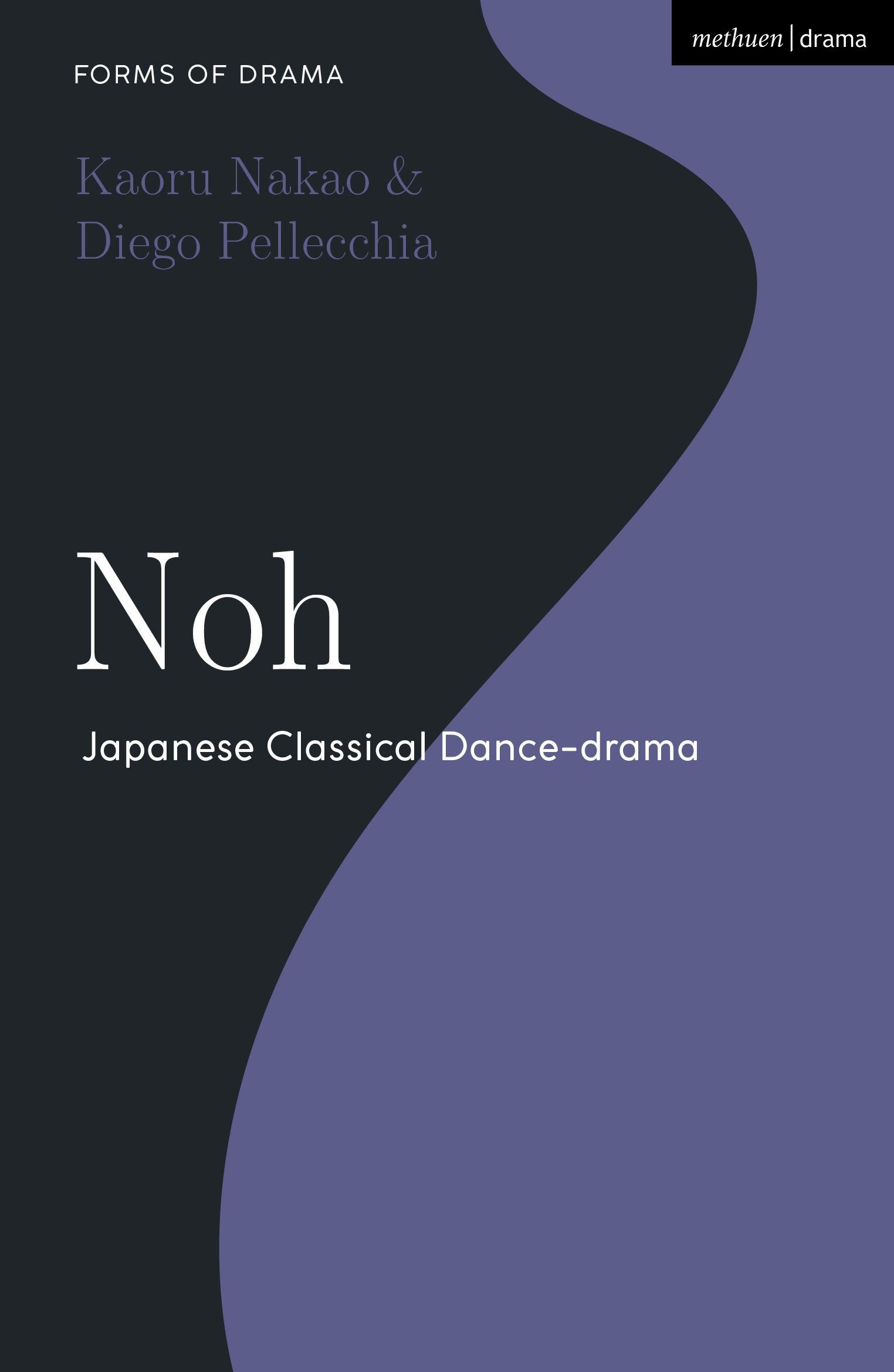
This volume provides the reader with a comprehensive overview of the rich traditions of noh, classical Japanese dance-drama.
Drawing from specialized scholarship in English and in Japanese, it takes an accessible approach useful for a range of readers, including students and researchers of Japanese culture and performing arts, as well as theatre practitioners.
The introduction provides an overview, describing noh from the point of view of both the audience and the practitioner. Chapter One traces the history of noh from its origins through stages of development and formalization to the present day. Chapter Two explores the different plays in the repertoire, discussing their structures, themes, and sources. Chapter Three delves into the staging conventions of noh, introducing aspects of movement, music, and chant, as well as costumes, masks, and stage properties. To conclude, this book raises questions about the current situation of noh and explores its potential future.
Since its emergence in the 14th century, noh has been appreciated by audiences ranging from the intellectual elites to the warrior class, from the Buddhist clergy to commoners. Throughout its history, noh has influenced other traditional performing arts and, since the early 20th century, it has also been a source of inspiration for theatre practitioners outside of Japan.
Drawing from specialized scholarship in English and in Japanese, it takes an accessible approach useful for a range of readers, including students and researchers of Japanese culture and performing arts, as well as theatre practitioners.
The introduction provides an overview, describing noh from the point of view of both the audience and the practitioner. Chapter One traces the history of noh from its origins through stages of development and formalization to the present day. Chapter Two explores the different plays in the repertoire, discussing their structures, themes, and sources. Chapter Three delves into the staging conventions of noh, introducing aspects of movement, music, and chant, as well as costumes, masks, and stage properties. To conclude, this book raises questions about the current situation of noh and explores its potential future.
Since its emergence in the 14th century, noh has been appreciated by audiences ranging from the intellectual elites to the warrior class, from the Buddhist clergy to commoners. Throughout its history, noh has influenced other traditional performing arts and, since the early 20th century, it has also been a source of inspiration for theatre practitioners outside of Japan.
Sider: 208
Kategori: Drama, Teater & Scenkonst
e-ISBN: 9781350371453
Forsendelsesvægt: 1.2 kg
Sendes inden for: 1-2 dage
Betal nemt med kort, Klarna, Apple Pay eller Google Pay. Ikke tilfreds? Du har altid 14 dages fortrydelsesret. Læs mere i vores vilkår. Har du spørgsmål, så send os en mail på hello@memmo.org.
Memmo gør det nemmere at studere – uanset hvor du er i verden. Hos os samler du dine kursusbøger og smarte studieværktøjer ét sted: resuméer, quizzer, podcasts og flashcards. Og så er der Ted, din studieven, der svarer på alt, du undrer dig over. Over 50 000 studerende studerer allerede her – bygget til at hjælpe dig med at lære hurtigere og stresse mindre.