
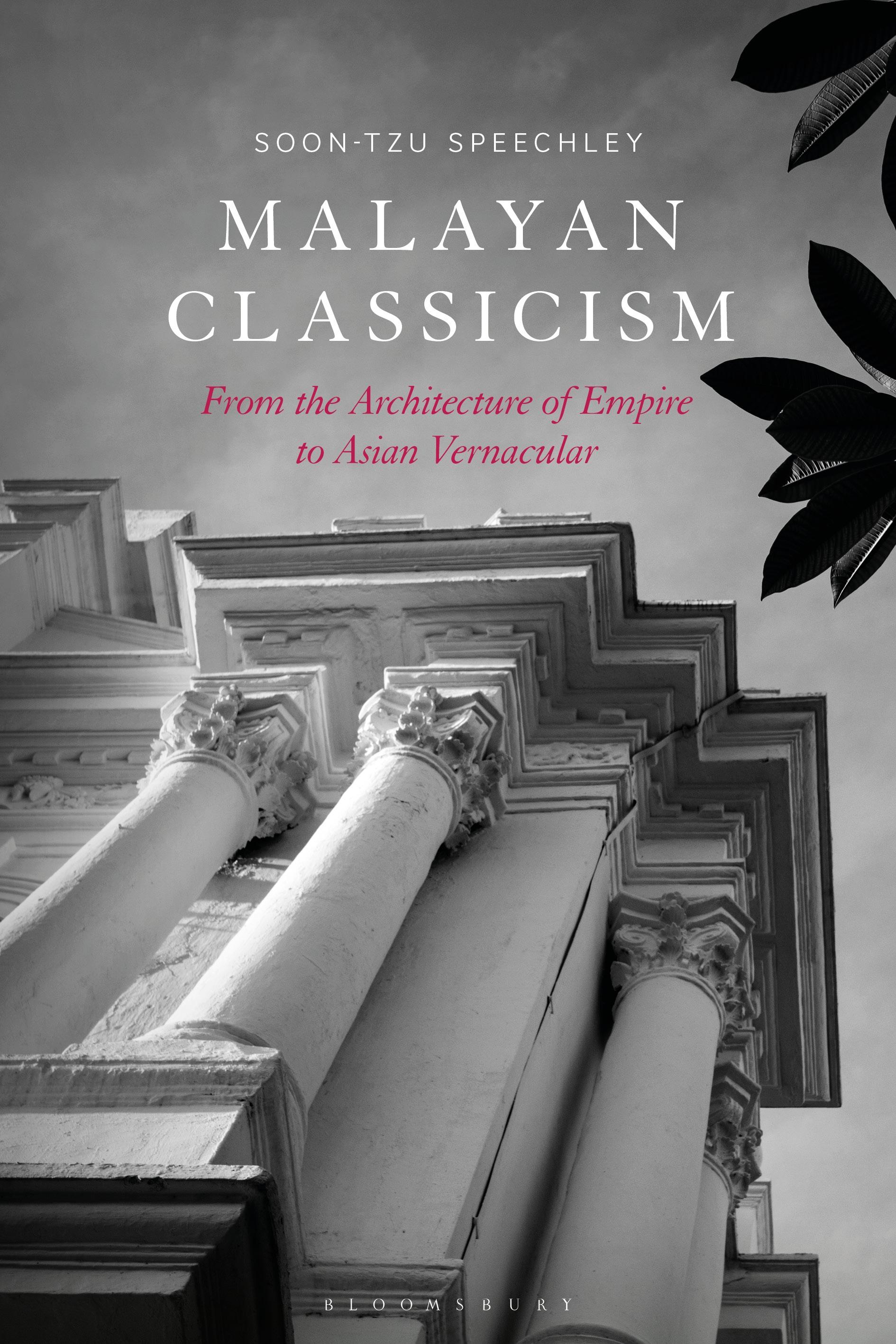
Through a broad range of case studies spanning from imperial monuments to rural residences, Malayan Classicism puts forward a fundamentally new understanding of classical architecture in the Asian colonial context.
Across Malaysia and Singapore, thousands of historic buildings are richly ornamented with motifs drawn from Ancient Greece and Rome - as plump volutes, lush acanthus leaves, and neat rows of dentils decorate mosques, palaces, government buildings and innumerable terraced shophouses. These classical details jostle with ideas drawn from other architectural traditions from across Asia in a style that is unique to the region.
Presenting the first comprehensive account of what was, prior to World War II, Malaya's most widespread architectural style, Malayan Classicism explores how the classical architecture of the British Empire was transmitted, translated, and transformed in the hands of local builders and architects. Addressing a critical gap in the scholarship, this book charts the metamorphosis of an imperial language of power into a local vernacular style, and provides a new way of reading classical architecture in a post-colonial context that will be applicable throughout the Global South.
Across Malaysia and Singapore, thousands of historic buildings are richly ornamented with motifs drawn from Ancient Greece and Rome - as plump volutes, lush acanthus leaves, and neat rows of dentils decorate mosques, palaces, government buildings and innumerable terraced shophouses. These classical details jostle with ideas drawn from other architectural traditions from across Asia in a style that is unique to the region.
Presenting the first comprehensive account of what was, prior to World War II, Malaya's most widespread architectural style, Malayan Classicism explores how the classical architecture of the British Empire was transmitted, translated, and transformed in the hands of local builders and architects. Addressing a critical gap in the scholarship, this book charts the metamorphosis of an imperial language of power into a local vernacular style, and provides a new way of reading classical architecture in a post-colonial context that will be applicable throughout the Global South.
Betal nemt med kort, Klarna, Apple Pay eller Google Pay. Ikke tilfreds? Du har altid 14 dages fortrydelsesret. Læs mere i vores vilkår. Har du spørgsmål, så send os en mail på hello@memmo.org.
Memmo gør det nemmere at studere – uanset hvor du er i verden. Hos os samler du dine kursusbøger og smarte studieværktøjer ét sted: resuméer, quizzer, podcasts og flashcards. Og så er der Ted, din studieven, der svarer på alt, du undrer dig over. Over 50 000 studerende studerer allerede her – bygget til at hjælpe dig med at lære hurtigere og stresse mindre.