
Shortlisted for the Architectural Book of the Year Award 2025
An enduring myth of Georgian architecture is that it was purely the pursuit of male architects and their wealthy male patrons. History states that it was men who owned grand estates and houses, who commissioned famous architects, and who embarked upon elaborate architectural schemes.
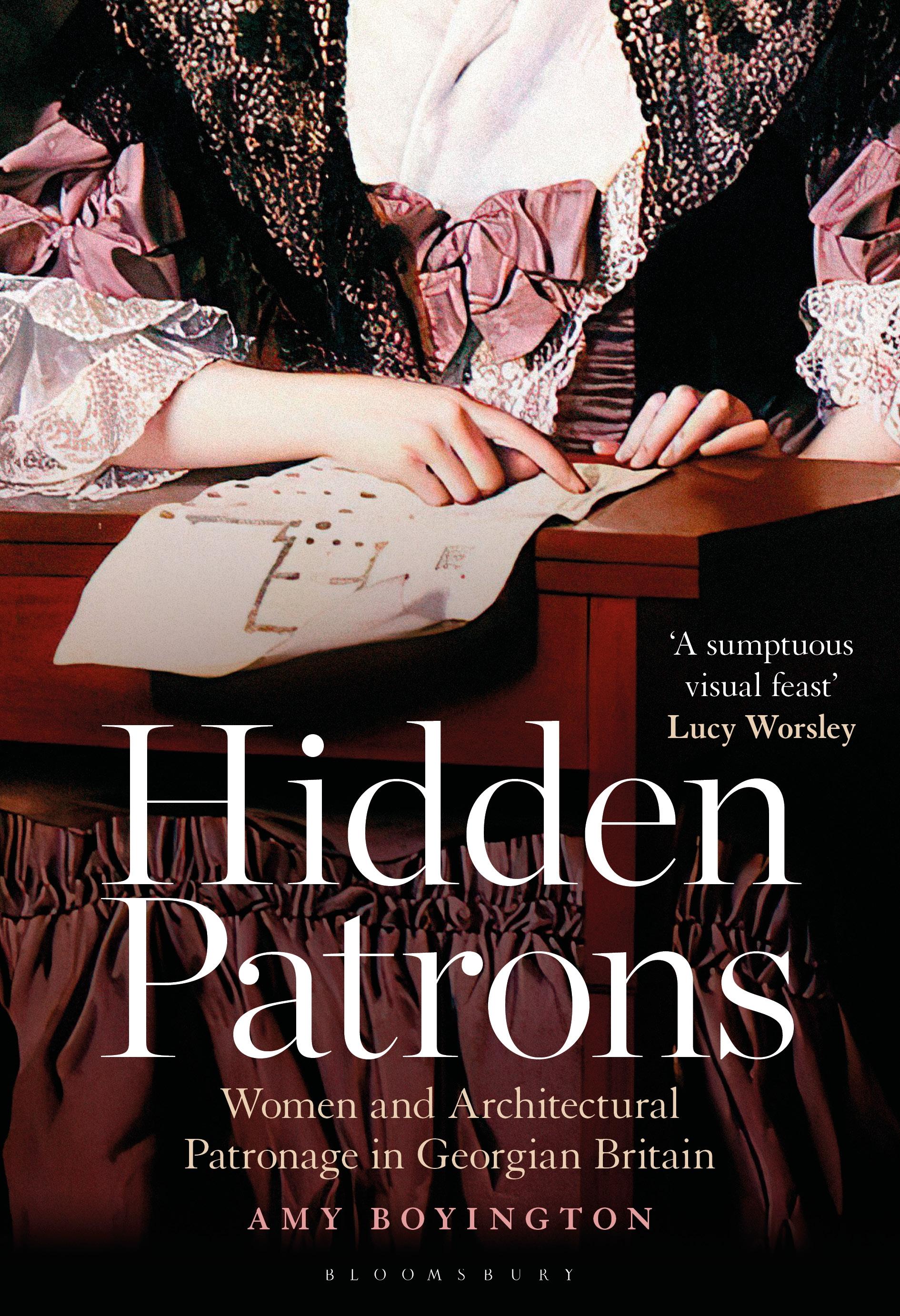
Hidden Patrons dismantles this myth - revealing instead that women were at the heart of the architectural patronage of the day, exerting far more influence and agency than has previously been recognised. Architectural drawing and design, discourse, and patronage were interests shared by many women in the eighteenth century. Far from being the preserve of elite men, architecture was a passion shared by both sexes, intellectually and practically, as long as they possessed sufficient wealth and autonomy.
In an accessible, readable account, Hidden Patrons uncovers the role of women as important patrons and designers of architecture and interiors in eighteenth-century Britain and Ireland. Exploring country houses, Georgian townhouses, villas, estates, and gardens, it analyses female patronage from across the architectural spectrum, and examines the work of a range of pioneering women from grand duchesses to businesswomen to lowly courtesans. Re-examining well-known Georgian masterpieces alongside lesser-known architectural gems, Hidden Patrons unearths unseen archival material to provide a fascinating new view of the role of women in the architecture of the Georgian era.
An enduring myth of Georgian architecture is that it was purely the pursuit of male architects and their wealthy male patrons. History states that it was men who owned grand estates and houses, who commissioned famous architects, and who embarked upon elaborate architectural schemes.
Hidden Patrons dismantles this myth - revealing instead that women were at the heart of the architectural patronage of the day, exerting far more influence and agency than has previously been recognised. Architectural drawing and design, discourse, and patronage were interests shared by many women in the eighteenth century. Far from being the preserve of elite men, architecture was a passion shared by both sexes, intellectually and practically, as long as they possessed sufficient wealth and autonomy.
In an accessible, readable account, Hidden Patrons uncovers the role of women as important patrons and designers of architecture and interiors in eighteenth-century Britain and Ireland. Exploring country houses, Georgian townhouses, villas, estates, and gardens, it analyses female patronage from across the architectural spectrum, and examines the work of a range of pioneering women from grand duchesses to businesswomen to lowly courtesans. Re-examining well-known Georgian masterpieces alongside lesser-known architectural gems, Hidden Patrons unearths unseen archival material to provide a fascinating new view of the role of women in the architecture of the Georgian era.
Betal nemt med kort, Klarna, Apple Pay eller Google Pay. Ikke tilfreds? Du har altid 14 dages fortrydelsesret. Læs mere i vores vilkår. Har du spørgsmål, så send os en mail på hello@memmo.org.
Memmo gør det nemmere at studere – uanset hvor du er i verden. Hos os samler du dine kursusbøger og smarte studieværktøjer ét sted: resuméer, quizzer, podcasts og flashcards. Og så er der Ted, din studieven, der svarer på alt, du undrer dig over. Over 50 000 studerende studerer allerede her – bygget til at hjælpe dig med at lære hurtigere og stresse mindre.