
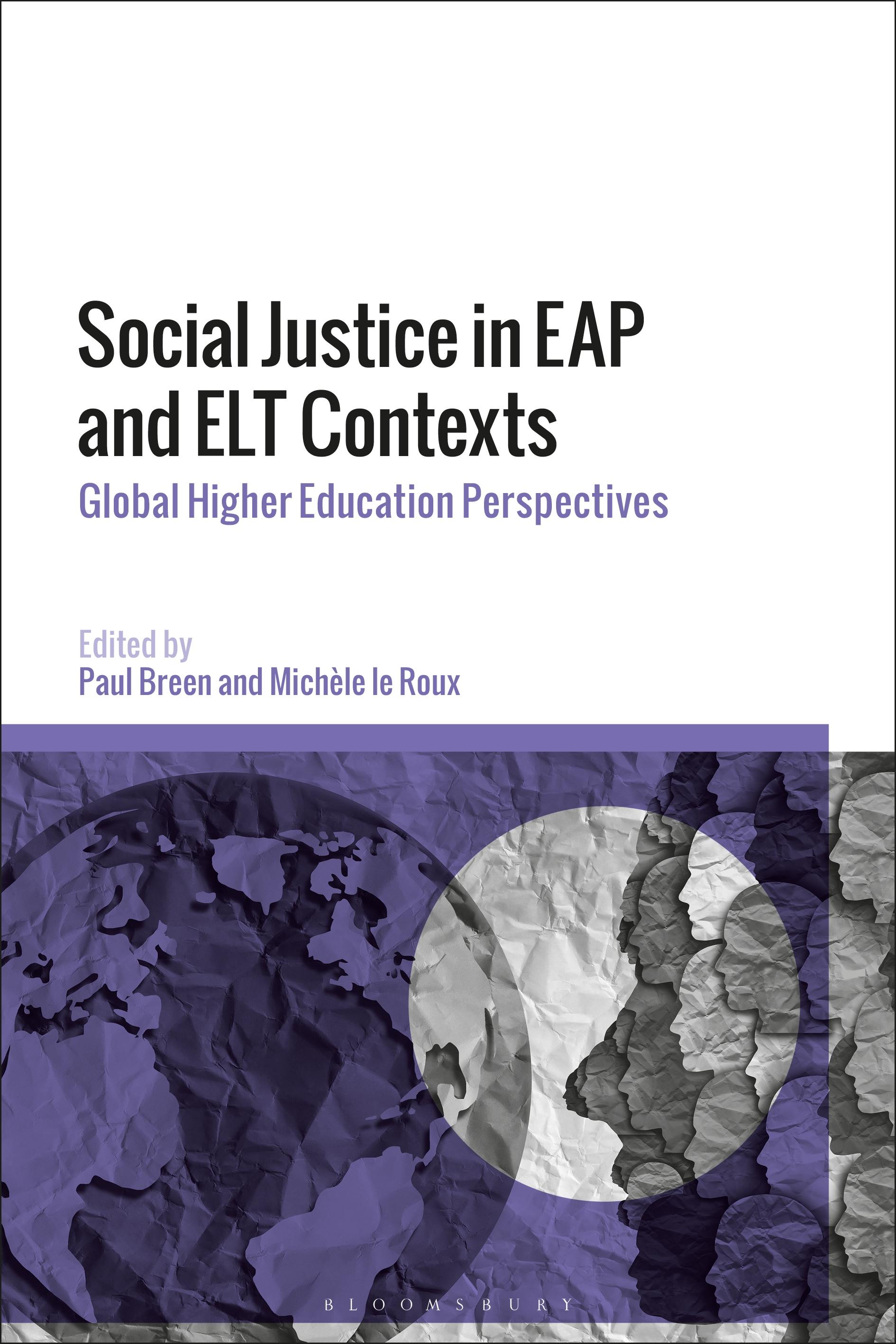
This book articulates an understanding of what is meant by the term social justice from a global perspective, drawing upon examples of practice from across a range of English for academic purposes (EAP) and English language teaching (ELT) higher education contexts. Presently, within western higher educational systems, there is a drive for greater integration of approaches that lend themselves to social justice. However, questions still remain about what that means in practice. This book seeks to answer that not by telling but by showing. It presents a series of chapters that act as vignettes into a diverse set of classrooms, contexts and countries, offering examples of how and where an epistemology of social justice has been put into practice in teaching and learning situations. Such situations range from cross-continental higher educational partnerships between east and west to instances of EAP practitioners' work with refugees from North Africa and the Middle East. These examples are threaded together by the common goal of understanding what it is that defines an enactment of social justice and what the shared denominators are across these contexts. Through looking at these various examples, the authors produce a set of codes and themes that are common to practice across contexts and discuss how these might help inform practice in other areas of language education, higher education and educational development work in general.
Betal nemt med kort, Klarna, Apple Pay eller Google Pay. Ikke tilfreds? Du har altid 14 dages fortrydelsesret. Læs mere i vores vilkår. Har du spørgsmål, så send os en mail på hello@memmo.org.
Memmo gør det nemmere at studere – uanset hvor du er i verden. Hos os samler du dine kursusbøger og smarte studieværktøjer ét sted: resuméer, quizzer, podcasts og flashcards. Og så er der Ted, din studieven, der svarer på alt, du undrer dig over. Over 50 000 studerende studerer allerede her – bygget til at hjælpe dig med at lære hurtigere og stresse mindre.