
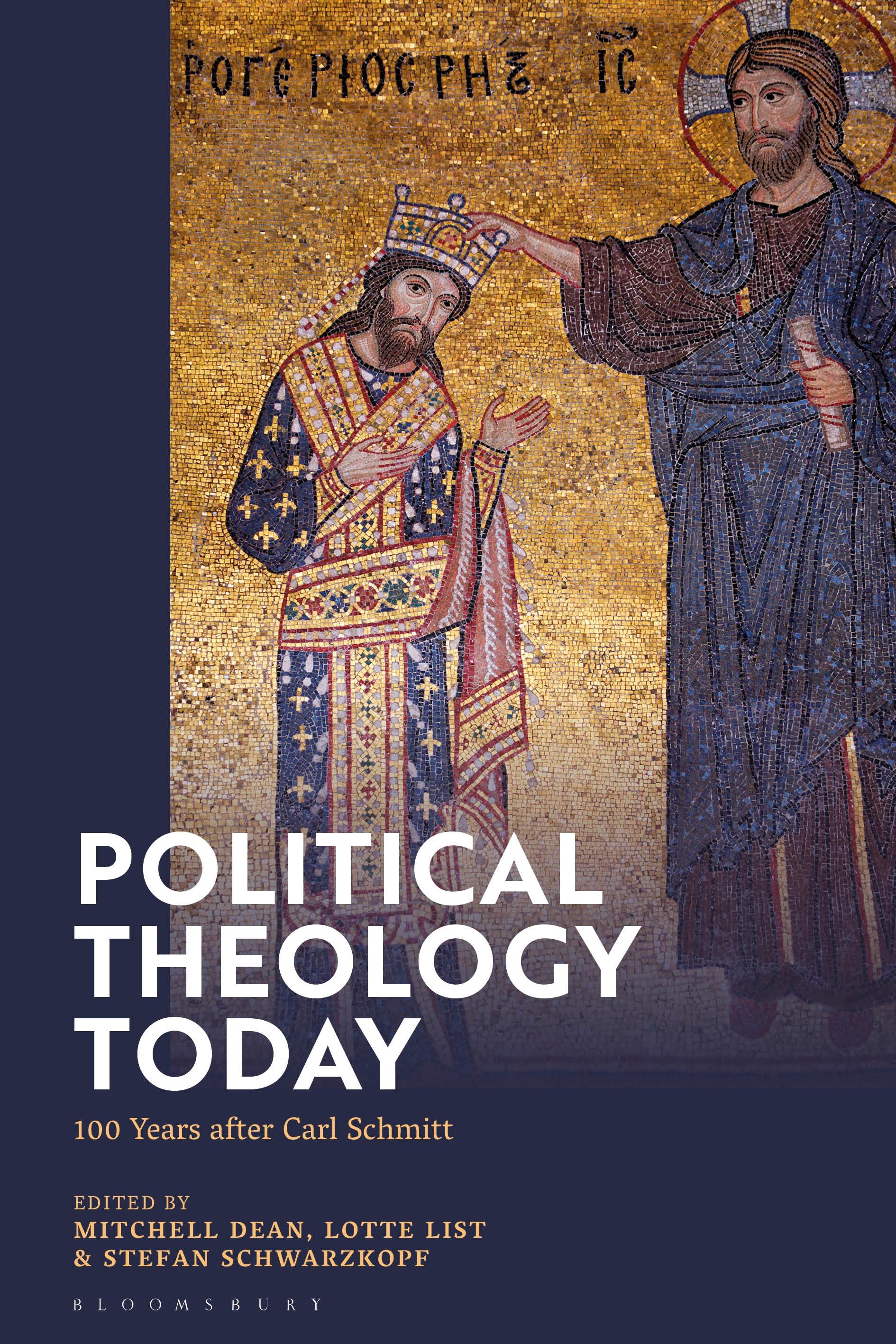
Almost 100 years have passed since Carl Schmitt gave his controversial definition of the sovereign as the one who decides on the exception in his by now classic Political Theology (1922). Written at a time of crisis, the book sought to establish the institution of sovereignty, not from within a well-functioning governing machine of the state in a situation of normality, but rather as the minimal condition of state order in the moment of governmental breakdown. The book appeared anachronistic already at its publication. Schmitt went against Max Weber's popular thesis defining secularization as a disenchantment of the world characterizing modern societies, and instead suggested that the concepts of modern politics mirrored a metaphysics originating in Christianity and the church. Nevertheless, the concept of political theology has in recent years seen a revival as a field of research in philosophy as well as political theory, as studies in the theological sub-currents of politics, economics and sociality proliferate.
Betal nemt med kort, Klarna, Apple Pay eller Google Pay. Ikke tilfreds? Du har altid 14 dages fortrydelsesret. Læs mere i vores vilkår. Har du spørgsmål, så send os en mail på hello@memmo.org.
Memmo gør det nemmere at studere – uanset hvor du er i verden. Hos os samler du dine kursusbøger og smarte studieværktøjer ét sted: resuméer, quizzer, podcasts og flashcards. Og så er der Ted, din studieven, der svarer på alt, du undrer dig over. Over 50 000 studerende studerer allerede her – bygget til at hjælpe dig med at lære hurtigere og stresse mindre.