
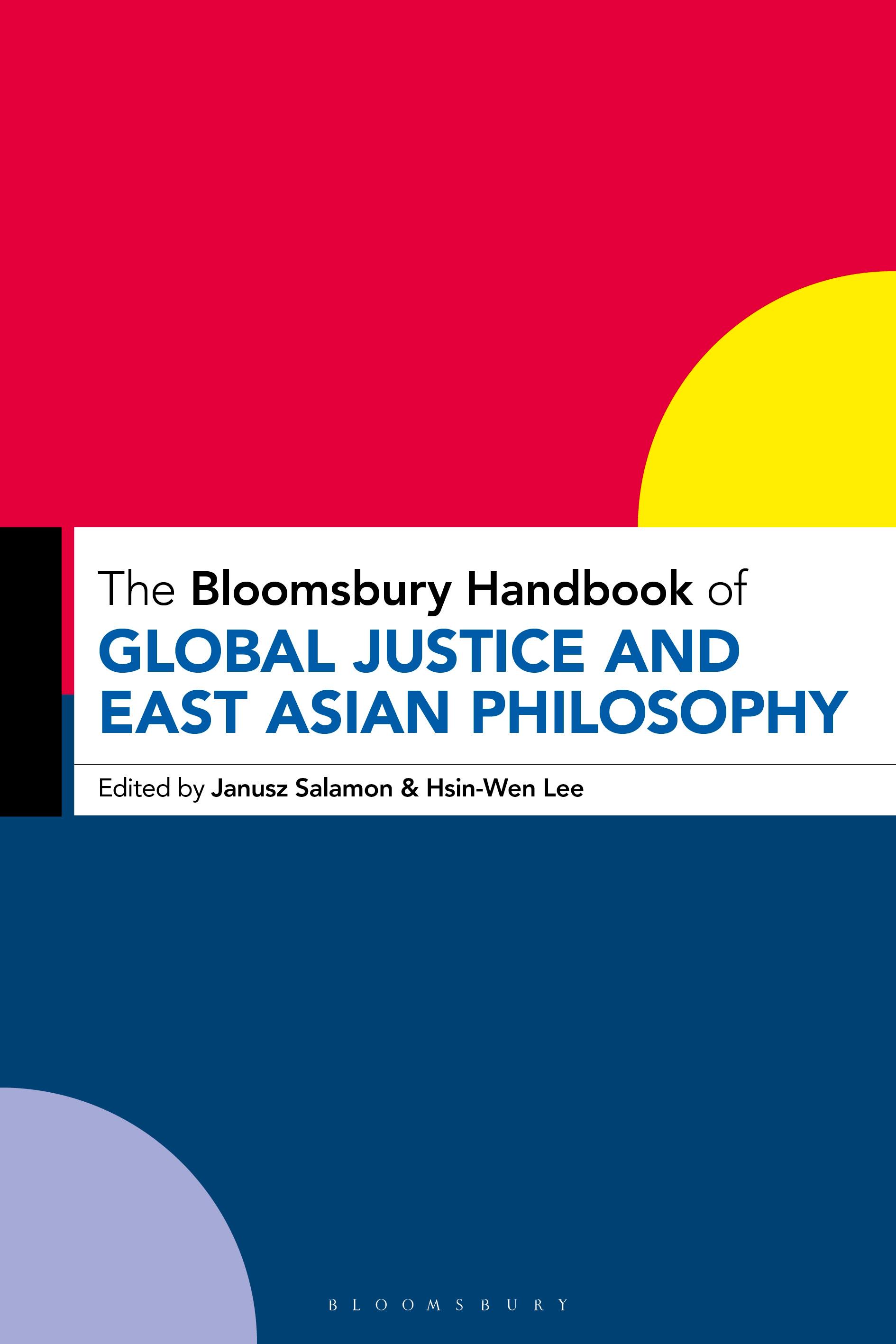
Breaking out of the dominance of Anglo-American scholarship, this volume centralises East Asian philosophical traditions to explore cross-cultural perspectives in the field of global justice studies. By bringing together diverse traditions of thinking about justice that contrasts East Asian and Western thinkers' traditions, it avoids the shortcomings of narrow and one-sided conceptualisations of global justice.
A range of contributors from East Asia, Europe, and the US who are conversant with both Western and East Asian philosophical traditions provide a rich engagement with contemporary issues relating to global justice. The book opens with a section devoted to the methodological challenges specific to cross-cultural approaches to justice, including the universalism/particularism debate and the conditions of the possibility of cross-cultural comparisons. Part II explores how major East Asian philosophical traditions-including Confucianism, Legalism, Daoism and Buddhism-consider issues related to global justice. The essays in Part III adopt a cross-cultural and/or comparative perspective on justice, enabling the readers to appreciate similarities and differences between the East Asian and Western perspectives on justice, and to appreciate cultural variation. Key applied issues in global justice, such as epistemic injustice, human rights, women's rights, nationalism, religious pluralism, coercion, corruption and post-colonial justice, receive full consideration in the final section of this indispensable reference work for understandings of global justice in East Asia specifically and cross-culturally.
A range of contributors from East Asia, Europe, and the US who are conversant with both Western and East Asian philosophical traditions provide a rich engagement with contemporary issues relating to global justice. The book opens with a section devoted to the methodological challenges specific to cross-cultural approaches to justice, including the universalism/particularism debate and the conditions of the possibility of cross-cultural comparisons. Part II explores how major East Asian philosophical traditions-including Confucianism, Legalism, Daoism and Buddhism-consider issues related to global justice. The essays in Part III adopt a cross-cultural and/or comparative perspective on justice, enabling the readers to appreciate similarities and differences between the East Asian and Western perspectives on justice, and to appreciate cultural variation. Key applied issues in global justice, such as epistemic injustice, human rights, women's rights, nationalism, religious pluralism, coercion, corruption and post-colonial justice, receive full consideration in the final section of this indispensable reference work for understandings of global justice in East Asia specifically and cross-culturally.
Betal nemt med kort, Klarna, Apple Pay eller Google Pay. Ikke tilfreds? Du har altid 14 dages fortrydelsesret. Læs mere i vores vilkår. Har du spørgsmål, så send os en mail på hello@memmo.org.
Memmo gør det nemmere at studere – uanset hvor du er i verden. Hos os samler du dine kursusbøger og smarte studieværktøjer ét sted: resuméer, quizzer, podcasts og flashcards. Og så er der Ted, din studieven, der svarer på alt, du undrer dig over. Over 50 000 studerende studerer allerede her – bygget til at hjælpe dig med at lære hurtigere og stresse mindre.