
WINNER of the 2025 Design Incubation Communication Design Award for Published Scholarship
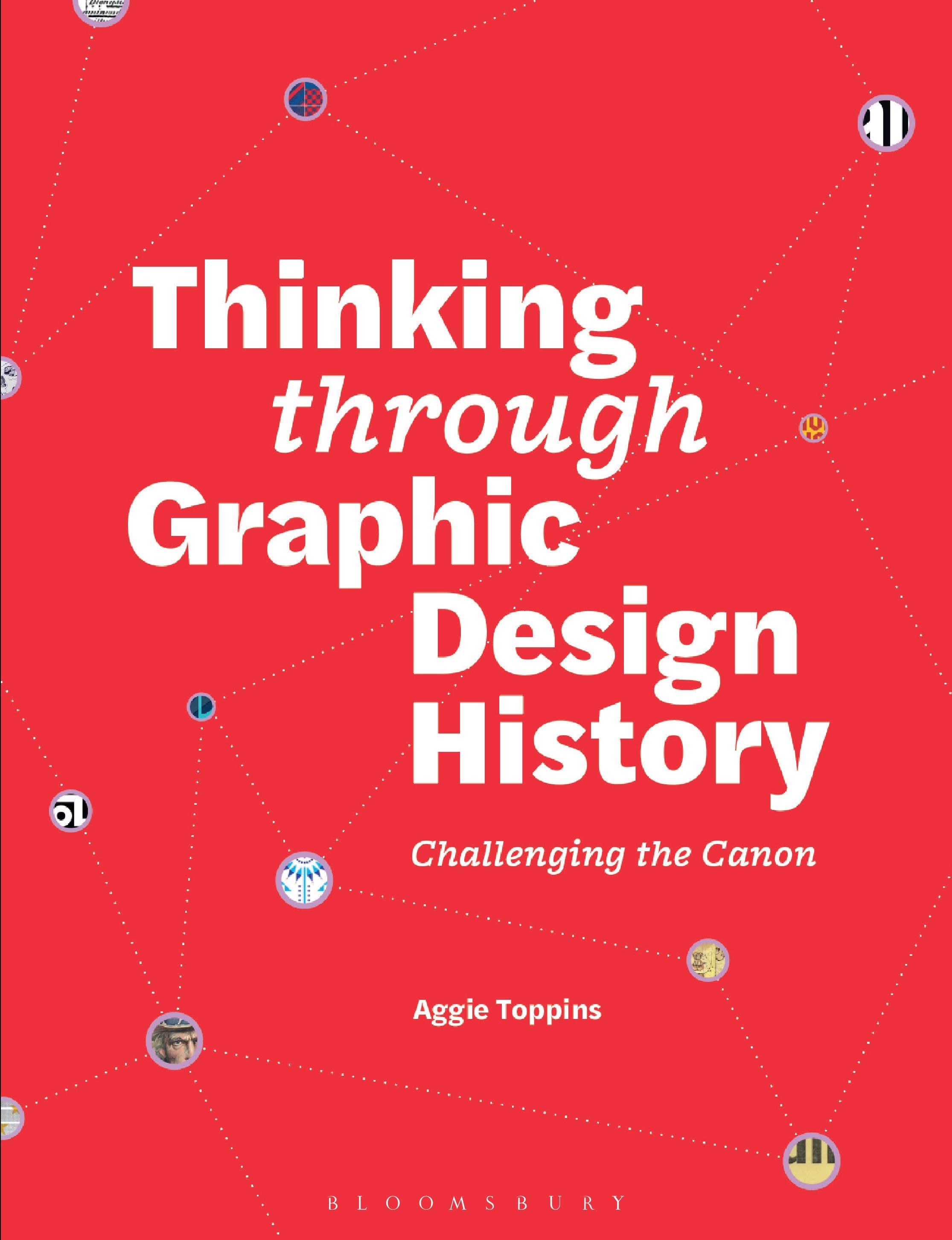
Graphic design has a paradoxical relationship to history. While it claims to promote originality and innovation - ideas that emphasize the new and unique - design practice is deeply embedded in previous ideals. Too often, design students encounter the past in brief visual impressions which seduce them to imitate form rather than engage with historical contexts. Even though it has claimed to be objective and even comprehensive, graphic design history has focused largely on individual careers and Eurocentric achievements.
Yet the past swells with untapped potential. Graphic design history can serve the field of today and tomorrow, but its narratives require updates. History, like design, is always changing - and like design, history is driven by present-day questions. This book shows how students and practicing designers can enrich their work by thinking historically about design. With thoughtful analyses, stimulating creative prompts, inspiring case studies, and perspectives from designers all over the world, this book challenges our traditional understanding of graphic design history, and the very notion of the design canon, offering ways to shape socially engaged, critical practices.
Graphic design has a paradoxical relationship to history. While it claims to promote originality and innovation - ideas that emphasize the new and unique - design practice is deeply embedded in previous ideals. Too often, design students encounter the past in brief visual impressions which seduce them to imitate form rather than engage with historical contexts. Even though it has claimed to be objective and even comprehensive, graphic design history has focused largely on individual careers and Eurocentric achievements.
Yet the past swells with untapped potential. Graphic design history can serve the field of today and tomorrow, but its narratives require updates. History, like design, is always changing - and like design, history is driven by present-day questions. This book shows how students and practicing designers can enrich their work by thinking historically about design. With thoughtful analyses, stimulating creative prompts, inspiring case studies, and perspectives from designers all over the world, this book challenges our traditional understanding of graphic design history, and the very notion of the design canon, offering ways to shape socially engaged, critical practices.
Betal nemt med kort, Klarna, Apple Pay eller Google Pay. Ikke tilfreds? Du har altid 14 dages fortrydelsesret. Læs mere i vores vilkår. Har du spørgsmål, så send os en mail på hello@memmo.org.
Memmo gør det nemmere at studere – uanset hvor du er i verden. Hos os samler du dine kursusbøger og smarte studieværktøjer ét sted: resuméer, quizzer, podcasts og flashcards. Og så er der Ted, din studieven, der svarer på alt, du undrer dig over. Over 50 000 studerende studerer allerede her – bygget til at hjælpe dig med at lære hurtigere og stresse mindre.