
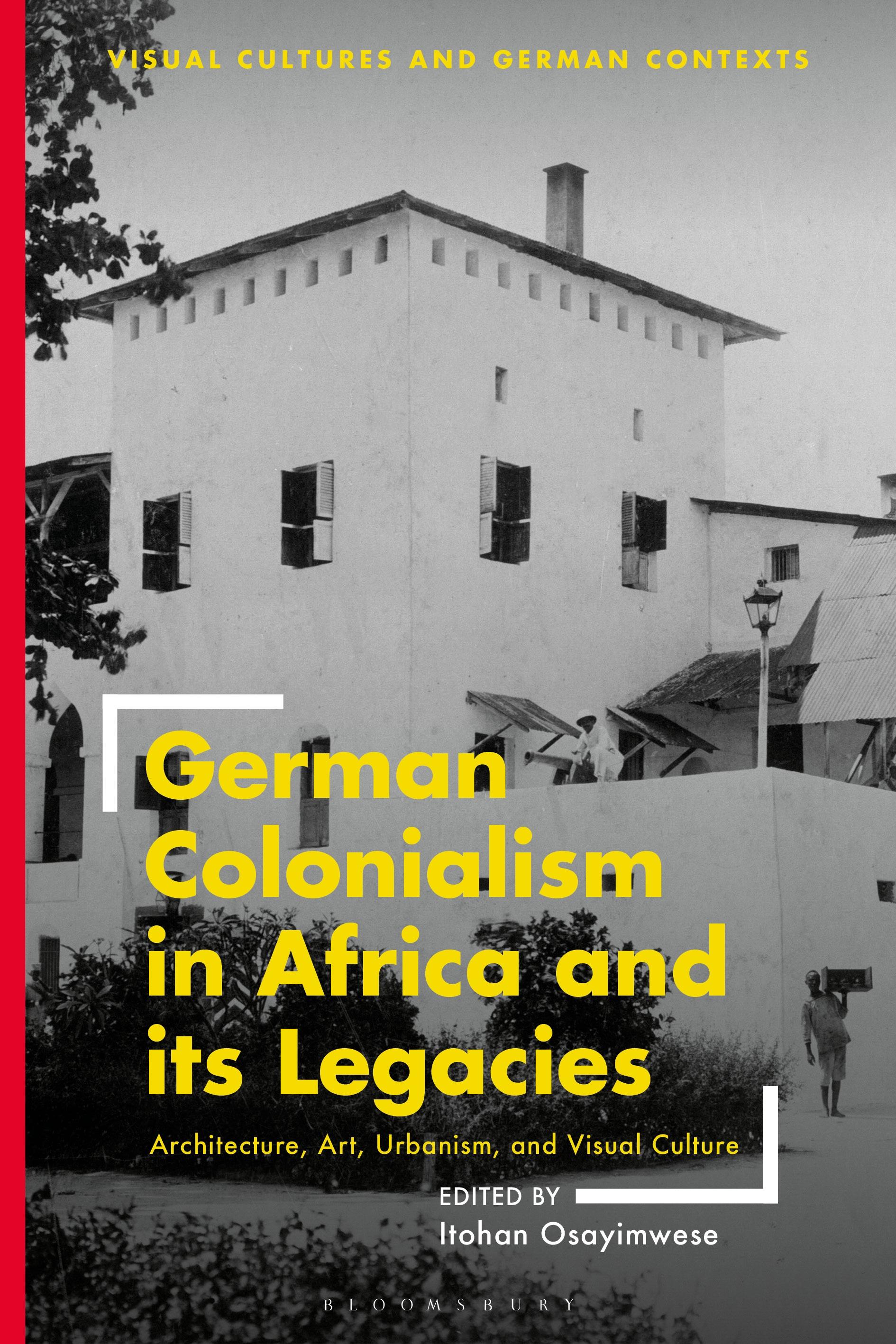
Germany developed a large colonial empire over the last thirty years of the 19th century, spanning regions of the west coast of Africa to its east coast and beyond. Largely forgotten for many years, recent intense debates about Africa's cultural heritage in European museums have brought this period of African and German history back into the spotlight.
German Colonialism in Africa and its Legacies brings much-needed context to these debates, exploring perspectives on the architecture, art, urbanism, and visual culture of German colonialism in Africa, and its legacies in postcolonial and present-day Namibia, Cameroon, and Germany.
The first in-depth exploration of the designed and visual aspects of German colonialism, the book presents a series of essays combining formal analyses of painting, photography, performance art, buildings, and space with the discourse analysis approach associated with postcolonial theory. Covering the entire period from the build-up to colonialism in the early-19th century to the present, subjects covered range from late-19th-century German colonial paintings of African landscapes and people to German land appropriation through planning and architectural mechanisms, and from indigenous African responses to colonial architecture, to explorations of the legacies of German colonialism by contemporary artists today.
This powerful and revealing collection of essays will encourage new research on this under-explored topic, and demonstrate the importance of historical research to the present, especially with regards to ongoing debates about the presence of material legacies of colonialism in Western culture, museum collections, and immigration policies.
German Colonialism in Africa and its Legacies brings much-needed context to these debates, exploring perspectives on the architecture, art, urbanism, and visual culture of German colonialism in Africa, and its legacies in postcolonial and present-day Namibia, Cameroon, and Germany.
The first in-depth exploration of the designed and visual aspects of German colonialism, the book presents a series of essays combining formal analyses of painting, photography, performance art, buildings, and space with the discourse analysis approach associated with postcolonial theory. Covering the entire period from the build-up to colonialism in the early-19th century to the present, subjects covered range from late-19th-century German colonial paintings of African landscapes and people to German land appropriation through planning and architectural mechanisms, and from indigenous African responses to colonial architecture, to explorations of the legacies of German colonialism by contemporary artists today.
This powerful and revealing collection of essays will encourage new research on this under-explored topic, and demonstrate the importance of historical research to the present, especially with regards to ongoing debates about the presence of material legacies of colonialism in Western culture, museum collections, and immigration policies.
Betal nemt med kort, Klarna, Apple Pay eller Google Pay. Ikke tilfreds? Du har altid 14 dages fortrydelsesret. Læs mere i vores vilkår. Har du spørgsmål, så send os en mail på hello@memmo.org.
Memmo gør det nemmere at studere – uanset hvor du er i verden. Hos os samler du dine kursusbøger og smarte studieværktøjer ét sted: resuméer, quizzer, podcasts og flashcards. Og så er der Ted, din studieven, der svarer på alt, du undrer dig over. Over 50 000 studerende studerer allerede her – bygget til at hjælpe dig med at lære hurtigere og stresse mindre.