
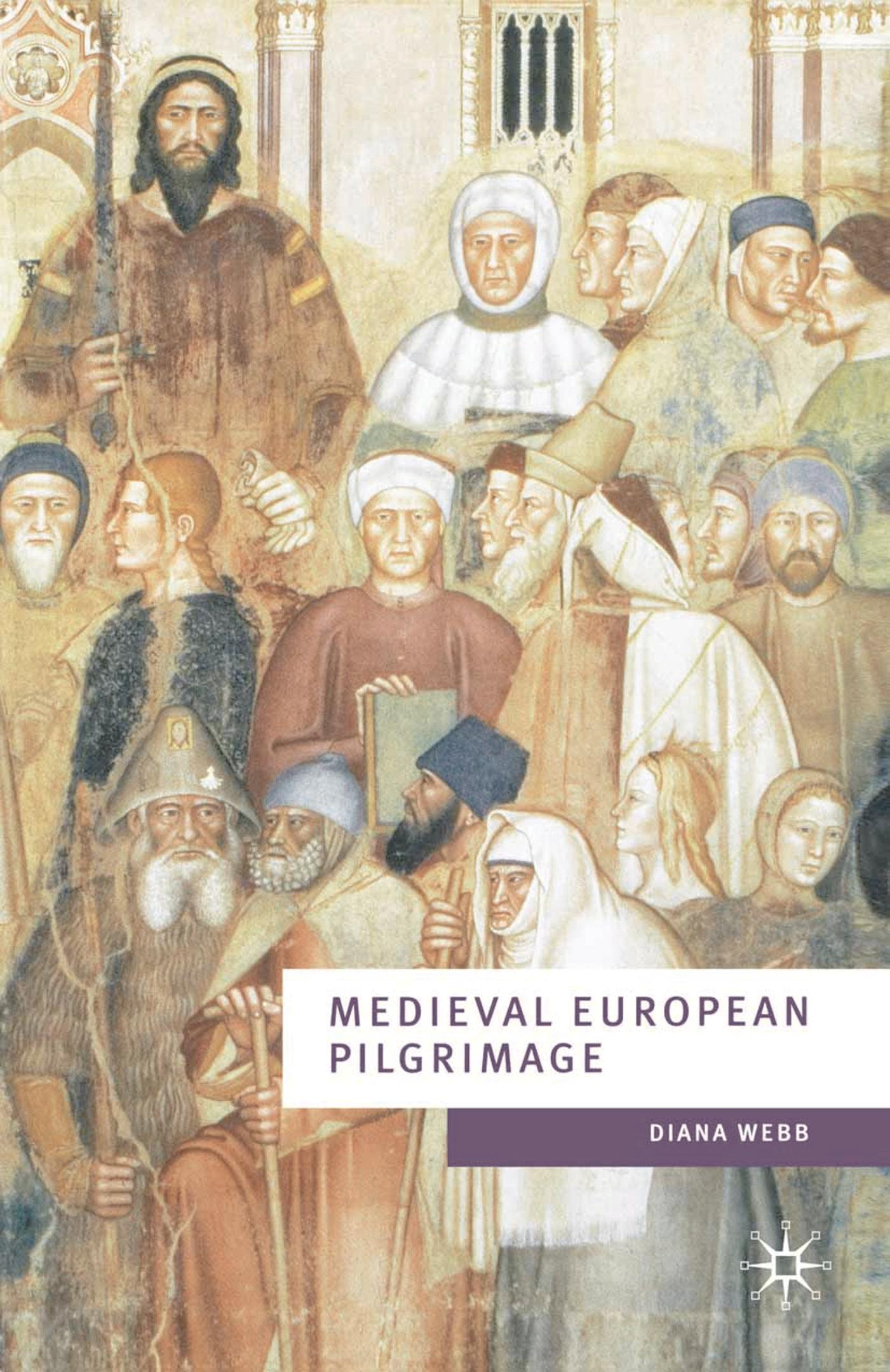
Medieval pilgrimage was, above all, an expression of religious faith, but this was not its only aspect. Men and women of all classes went on pilgrimage for a variety of reasons, sometimes by choice, sometimes involuntarily. They made both long and short journeys: to Rome, Jerusalem and Santiago on the one hand; to innumerable local shrines on the other. The routes that they followed by land and water made up a complex web which covered the face of Europe, and their travels required a range of support services, including the protection of rulers (who were themselves often pilgrims). Pilgrimage left its mark not only on the landscape but also on the art and literature of Europe.
Diana Webb's engaging book offers the reader a fresh introduction to the history of European Christian pilgrimage in the twelve hundred years between the conversion of Emperor Constantine and the beginnings of the Protestant Reformation. As well as exploring this multi-faceted activity, it considers both the geography of pilgrimage and its significant cultural legacy.
Diana Webb's engaging book offers the reader a fresh introduction to the history of European Christian pilgrimage in the twelve hundred years between the conversion of Emperor Constantine and the beginnings of the Protestant Reformation. As well as exploring this multi-faceted activity, it considers both the geography of pilgrimage and its significant cultural legacy.
Betal nemt med kort, Klarna, Apple Pay eller Google Pay. Ikke tilfreds? Du har altid 14 dages fortrydelsesret. Læs mere i vores vilkår. Har du spørgsmål, så send os en mail på hello@memmo.org.
Memmo gør det nemmere at studere – uanset hvor du er i verden. Hos os samler du dine kursusbøger og smarte studieværktøjer ét sted: resuméer, quizzer, podcasts og flashcards. Og så er der Ted, din studieven, der svarer på alt, du undrer dig over. Over 50 000 studerende studerer allerede her – bygget til at hjælpe dig med at lære hurtigere og stresse mindre.