
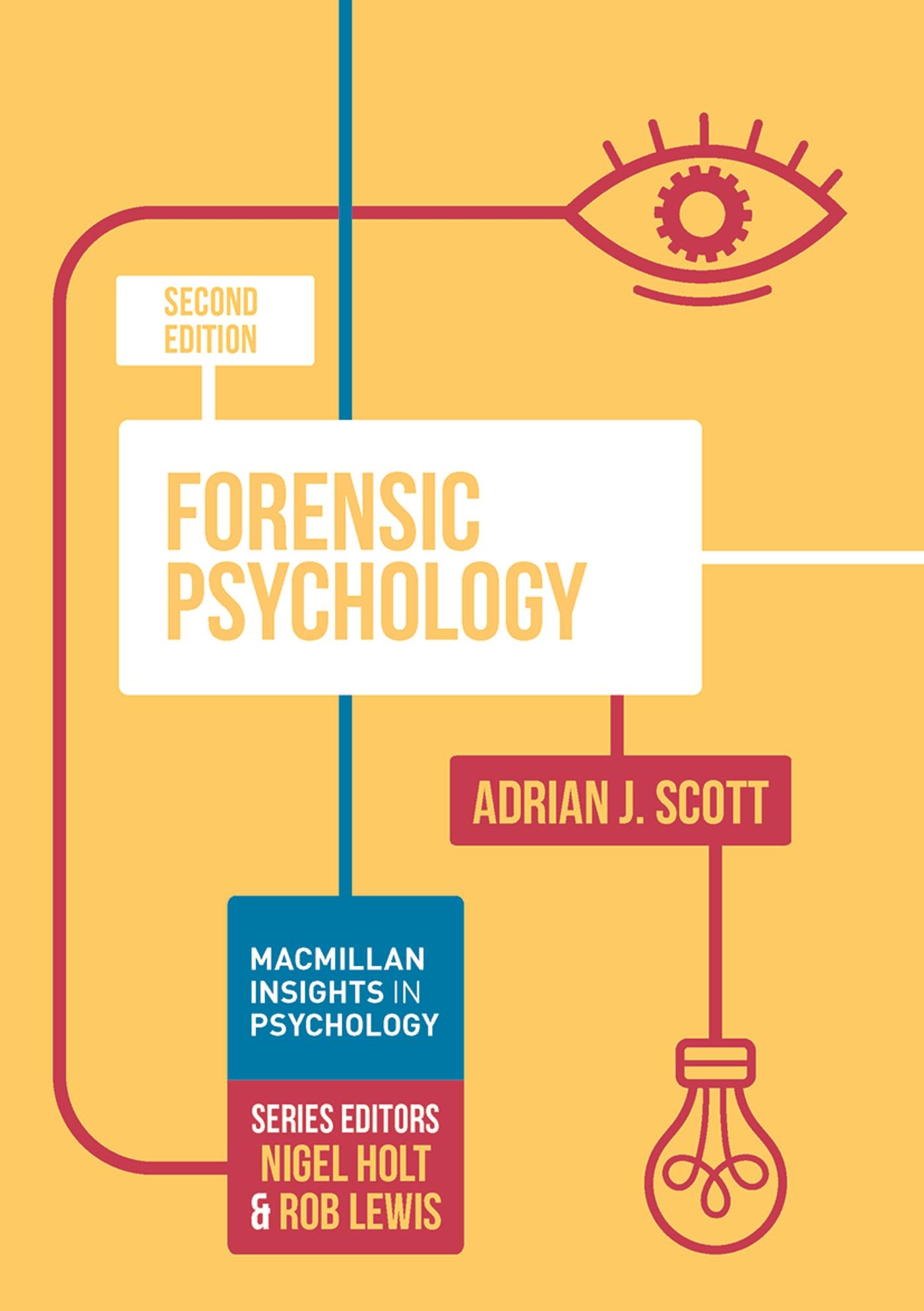
Why do people commit crime? How effective and reliable is the investigative process? How do jurors decide whether a person is guilty or innocent? How effective is treatment in reducing the risk of reoffending?
In this up-to-date edition of his highly informative textbook, Adrian Scott reveals just how much forensic psychology can tell us - not only about offenders and their crimes, but also about the different stages of the criminal justice system.
Covering social, psychological, biological and cognitive theories of crime, as well as research and theory relating to the investigative process, the courtroom and the penal system, this book provides in-depth coverage of the major areas within forensic psychology. It is essential reading for curious students seeking an engaging and accessible introduction to this fascinating topic.
In this up-to-date edition of his highly informative textbook, Adrian Scott reveals just how much forensic psychology can tell us - not only about offenders and their crimes, but also about the different stages of the criminal justice system.
Covering social, psychological, biological and cognitive theories of crime, as well as research and theory relating to the investigative process, the courtroom and the penal system, this book provides in-depth coverage of the major areas within forensic psychology. It is essential reading for curious students seeking an engaging and accessible introduction to this fascinating topic.
Betal nemt med kort, Klarna, Apple Pay eller Google Pay. Ikke tilfreds? Du har altid 14 dages fortrydelsesret. Læs mere i vores vilkår. Har du spørgsmål, så send os en mail på hello@memmo.org.
Memmo gør det nemmere at studere – uanset hvor du er i verden. Hos os samler du dine kursusbøger og smarte studieværktøjer ét sted: resuméer, quizzer, podcasts og flashcards. Og så er der Ted, din studieven, der svarer på alt, du undrer dig over. Over 50 000 studerende studerer allerede her – bygget til at hjælpe dig med at lære hurtigere og stresse mindre.