
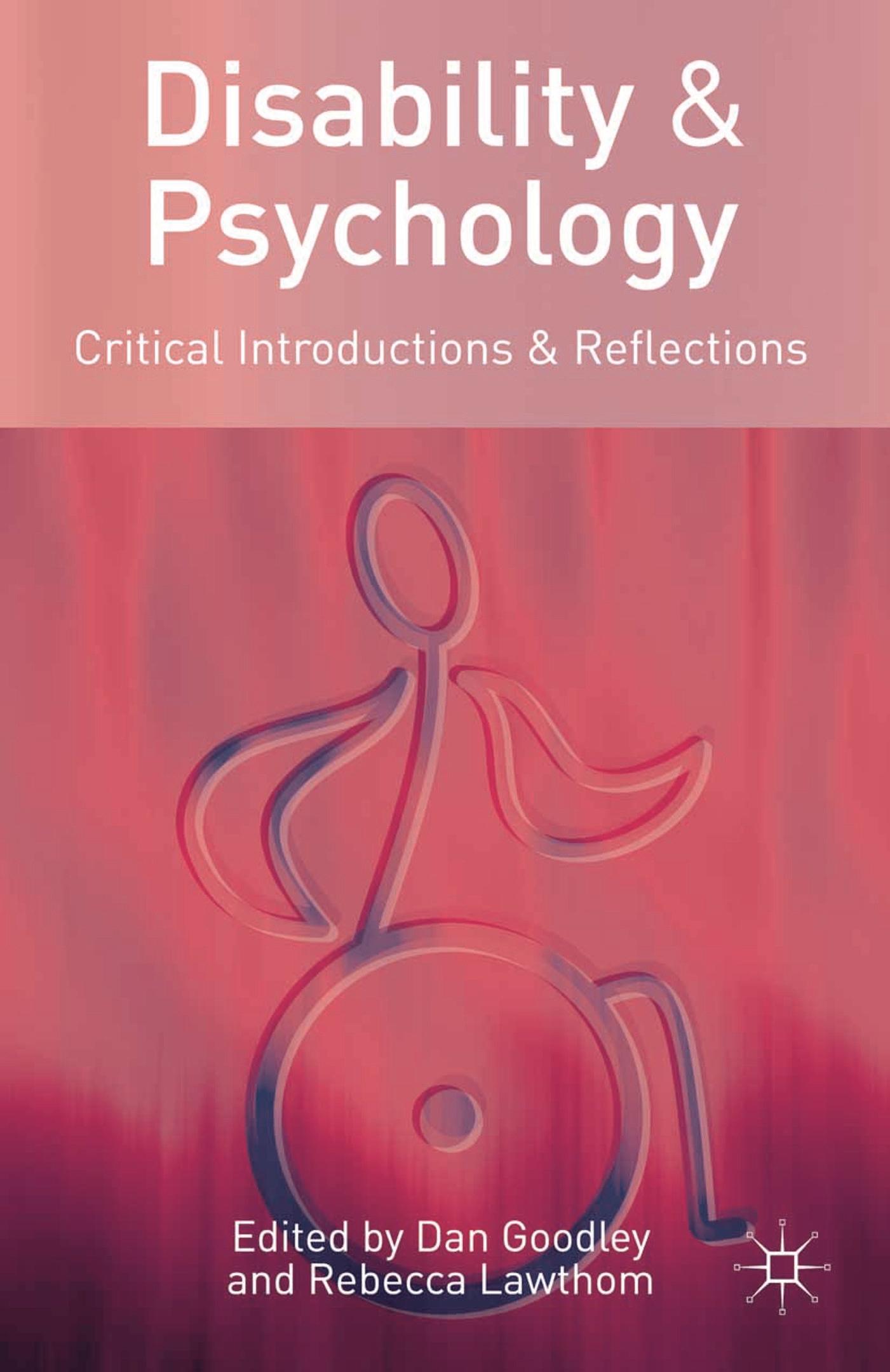
Disability is not just the physical, sensory or intellectual impairments a person has, but the exclusion from society they face as a result. Organisations for disabled people are a growing voice in challenging this exclusion and anti-discrimination legislation is helping to change the structures in society that have contributed to it.
This book examines the discipline of psychology in this regard. It argues that psychology has tended to ignore the socio-cultural aspects of disability and treat disabled people as objects rather than arbiters of psychological intervention. Bringing together disabled and non-disabled researchers and psychologists, this book proposes ideas for an enabling psychological theory and practice, and addresses questions such as:
-"How can we support the inclusion of disabled children?"
- "Can therapy enable rather than pathologise?”
- "What can be learnt from the experience of disabled psychologists?"
"How can psychology contribute to social models of disability?”
In examining these issues, this volume challenges the reader to reconsider the relationship between disability studies and psychology and to do so in ways that contribute to the emancipation - rather than the exclusion - of disabled people.
A key text for students on relevant courses within disability studies and psychology degrees, this book is also an important resource for those who study or work in the areas of healthcare studies, nursing, sociology and social work.
Dan Goodley is a Reader in disability studies, University of Sheffield, with research interests in disability theory, activism and methodology.
Rebecca Lawthom is Principal Lecturer in psychology, Manchester Metropolitan University and a member of the Research Institute for Health and Social Change. Her research interests are in disability, community and feminist psychology.
This book examines the discipline of psychology in this regard. It argues that psychology has tended to ignore the socio-cultural aspects of disability and treat disabled people as objects rather than arbiters of psychological intervention. Bringing together disabled and non-disabled researchers and psychologists, this book proposes ideas for an enabling psychological theory and practice, and addresses questions such as:
-"How can we support the inclusion of disabled children?"
- "Can therapy enable rather than pathologise?”
- "What can be learnt from the experience of disabled psychologists?"
"How can psychology contribute to social models of disability?”
In examining these issues, this volume challenges the reader to reconsider the relationship between disability studies and psychology and to do so in ways that contribute to the emancipation - rather than the exclusion - of disabled people.
A key text for students on relevant courses within disability studies and psychology degrees, this book is also an important resource for those who study or work in the areas of healthcare studies, nursing, sociology and social work.
Dan Goodley is a Reader in disability studies, University of Sheffield, with research interests in disability theory, activism and methodology.
Rebecca Lawthom is Principal Lecturer in psychology, Manchester Metropolitan University and a member of the Research Institute for Health and Social Change. Her research interests are in disability, community and feminist psychology.
Betal nemt med kort, Klarna, Apple Pay eller Google Pay. Ikke tilfreds? Du har altid 14 dages fortrydelsesret. Læs mere i vores vilkår. Har du spørgsmål, så send os en mail på hello@memmo.org.
Memmo gør det nemmere at studere – uanset hvor du er i verden. Hos os samler du dine kursusbøger og smarte studieværktøjer ét sted: resuméer, quizzer, podcasts og flashcards. Og så er der Ted, din studieven, der svarer på alt, du undrer dig over. Over 50 000 studerende studerer allerede her – bygget til at hjælpe dig med at lære hurtigere og stresse mindre.