
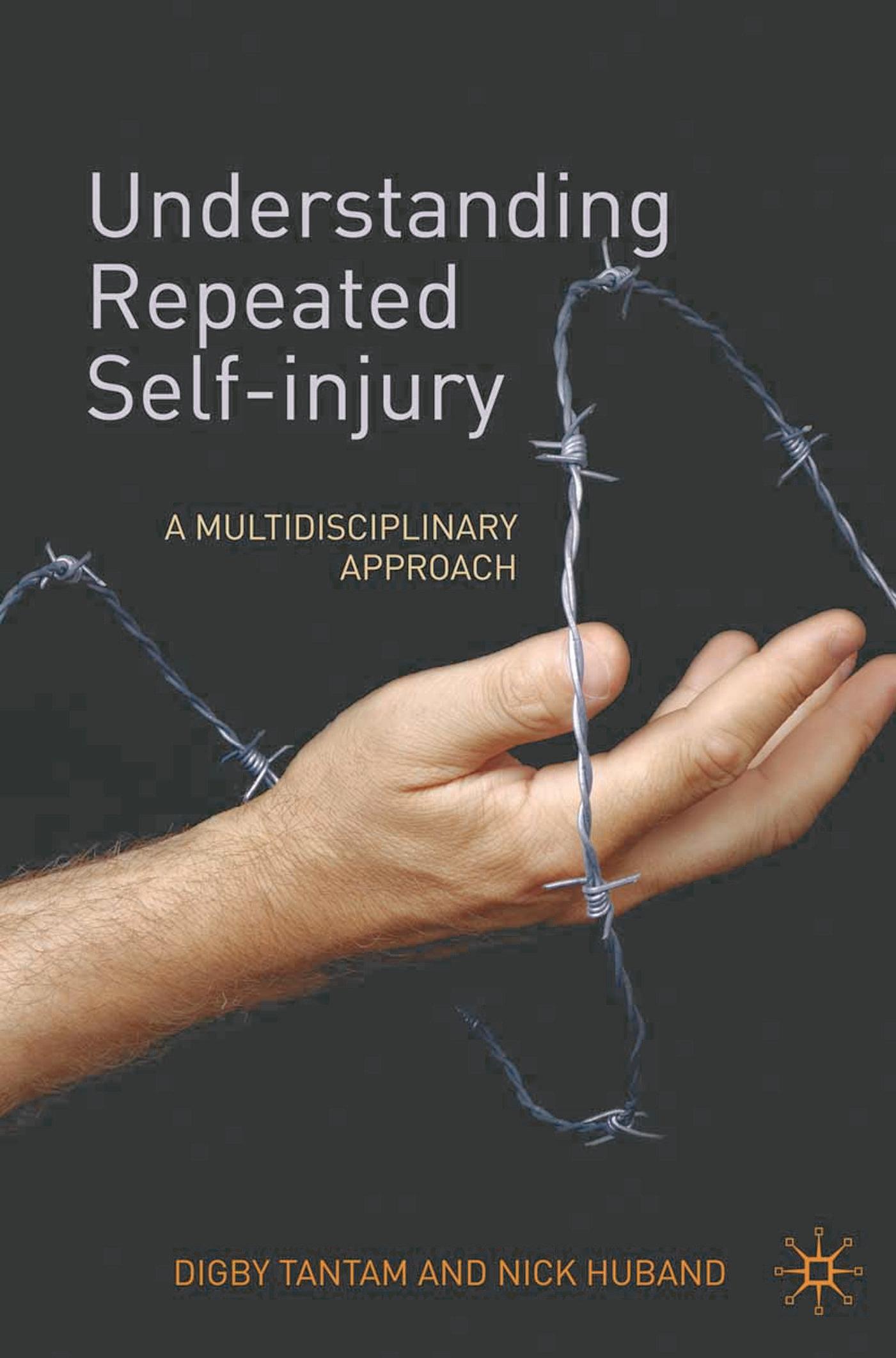
Why do some people repeatedly injure themselves? How common is this form of self-harm? How can professionals offer appropriate intervention and support to those whose lives are troubled by it, either directly or indirectly? This authoritative and systematic book adopts a holistic approach to the problem of repeated self-injury and the difficult emotions and experiences that it gives rise to.
Bringing together theory, research and a wealth of case vignettes, Understanding Repeated Self-Injury examines both the psychological and physical aspects of self-injury. The authors explain how deliberate cutting or burning of the skin is used by many as a way to overcome and temporarily escape bad feeling and thus transcend the limits of their identity.
In particular, the book
- Presents a unifying model for theory and practice, based on the phenomenology of self-injury
- Examines the important role of identity and dissociation in perpetuating self-injury
- Considers the wider impact of self-injury on family and friends, and on staff
- Addresses treatment strategies and self-help resources
Each chapter draws on the authors' considerable clinical experience across a range of contexts, and is written with professionals and trainees particularly in mind. This book is an essential introduction and indispensable resource for those working, or considering to work, in counselling, therapeutic and health care settings where they are or might be confronted with the complexities of self-injury.
Bringing together theory, research and a wealth of case vignettes, Understanding Repeated Self-Injury examines both the psychological and physical aspects of self-injury. The authors explain how deliberate cutting or burning of the skin is used by many as a way to overcome and temporarily escape bad feeling and thus transcend the limits of their identity.
In particular, the book
- Presents a unifying model for theory and practice, based on the phenomenology of self-injury
- Examines the important role of identity and dissociation in perpetuating self-injury
- Considers the wider impact of self-injury on family and friends, and on staff
- Addresses treatment strategies and self-help resources
Each chapter draws on the authors' considerable clinical experience across a range of contexts, and is written with professionals and trainees particularly in mind. This book is an essential introduction and indispensable resource for those working, or considering to work, in counselling, therapeutic and health care settings where they are or might be confronted with the complexities of self-injury.
Betal nemt med kort, Klarna, Apple Pay eller Google Pay. Ikke tilfreds? Du har altid 14 dages fortrydelsesret. Læs mere i vores vilkår. Har du spørgsmål, så send os en mail på hello@memmo.org.
Memmo gør det nemmere at studere – uanset hvor du er i verden. Hos os samler du dine kursusbøger og smarte studieværktøjer ét sted: resuméer, quizzer, podcasts og flashcards. Og så er der Ted, din studieven, der svarer på alt, du undrer dig over. Over 50 000 studerende studerer allerede her – bygget til at hjælpe dig med at lære hurtigere og stresse mindre.