
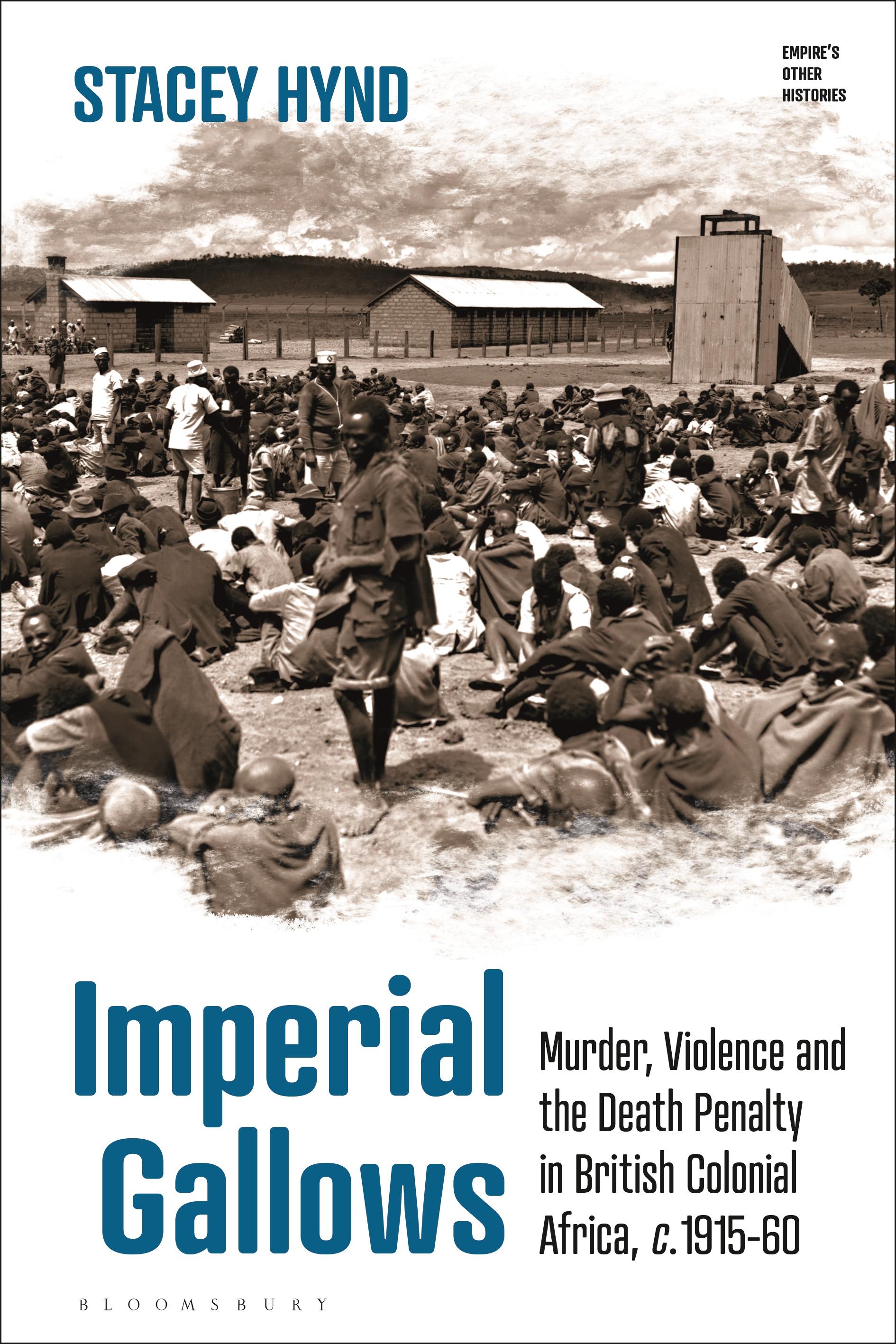
Not just a method of crime control or individual punishment in Britain's African territories, the death penalty was an integral aspect of colonial networks of power and violence. Imperial Gallows analyses capital trials from Kenya, Nyasaland and the Gold Coast to explore the social tensions that fueled murder among colonised populations, and how colonial legal cultures and landscapes of political authority shaped sentencing and mercy. It demonstrates how ideas of race, ethnicity, gender and 'civilization' could both spare and condemn Africans convicted of murder in colonial courts, and also how Africans could either appropriate or resist such colonial legal discourses in their trials and petitions.
In this book, Stacey Hynd follows the whole process of capital punishment from the identification of a murder victim to trial and conviction, through the process of mercy and sentencing onto death row and execution. The scandals that erupted over the death penalty, from botched executions and moral panics over ritual murder, to the hanging of anti-colonial rebels for 'terrorist' and emergency offences, provide significant insights into the shifting moral and political economies of colonial violence. This monograph contextualises the death penalty within the wider penal systems and coercive networks of British colonial Africa to highlight the shifting targets of the imperial gallows against rebels, robbers or domestic murderers. Imperial Gallows demonstrates that while hangings were key elements of colonial iconography in British Africa, symbolically loaded events that demonstrated imperial power and authority, they also reveal the limits of that power.
In this book, Stacey Hynd follows the whole process of capital punishment from the identification of a murder victim to trial and conviction, through the process of mercy and sentencing onto death row and execution. The scandals that erupted over the death penalty, from botched executions and moral panics over ritual murder, to the hanging of anti-colonial rebels for 'terrorist' and emergency offences, provide significant insights into the shifting moral and political economies of colonial violence. This monograph contextualises the death penalty within the wider penal systems and coercive networks of British colonial Africa to highlight the shifting targets of the imperial gallows against rebels, robbers or domestic murderers. Imperial Gallows demonstrates that while hangings were key elements of colonial iconography in British Africa, symbolically loaded events that demonstrated imperial power and authority, they also reveal the limits of that power.
Betal nemt med kort, Klarna, Apple Pay eller Google Pay. Ikke tilfreds? Du har altid 14 dages fortrydelsesret. Læs mere i vores vilkår. Har du spørgsmål, så send os en mail på hello@memmo.org.
Memmo gør det nemmere at studere – uanset hvor du er i verden. Hos os samler du dine kursusbøger og smarte studieværktøjer ét sted: resuméer, quizzer, podcasts og flashcards. Og så er der Ted, din studieven, der svarer på alt, du undrer dig over. Over 50 000 studerende studerer allerede her – bygget til at hjælpe dig med at lære hurtigere og stresse mindre.