
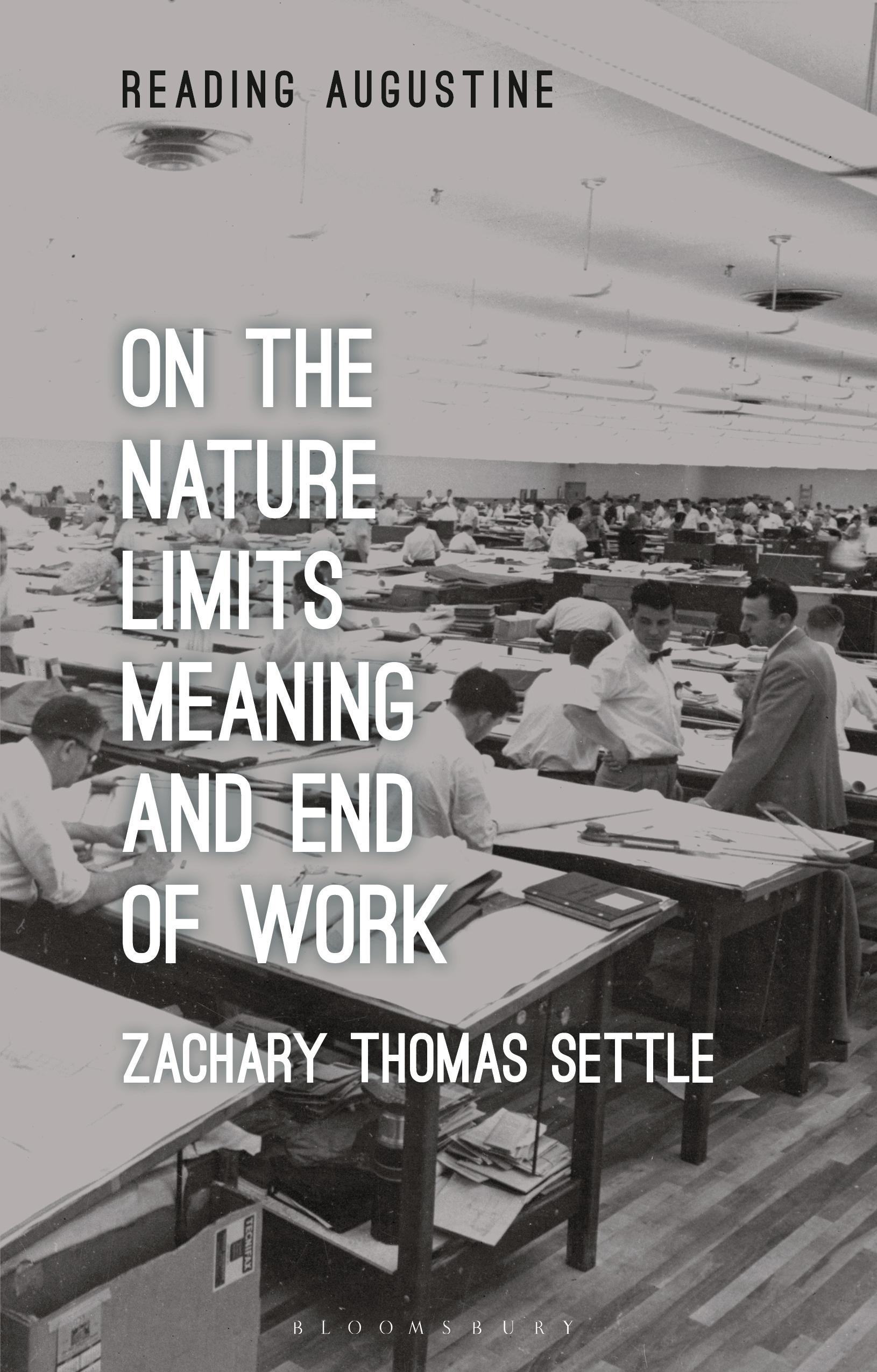
Articulating an Augustinian treatment of the nature, limits, meaning, and end of work, this volume will push Augustinian studies toward a more-detailed engagement with issues of political economy.
Zachary Settle argues that we inhabit a culture that insists that our life's meaning is bound up in our work; we experience constant pressures at work to be more efficient and productive; and we know the ways in which our work-structures contribute to a seemingly ever-growing, corrosive system of poverty and oppression. These cultural assumptions regarding work, along with a cluster of other labor-related problems (i.e. automation, wage depression, wage theft, the rise of a flexible labor force, a lack of worker representation, over-work, and productivism) have rightfully raised a number of questions about the nature, meaning, and limits of our working lives and working structures.
This book sets out the ways in which St. Augustine offers us-in piecemeal fashion-elements with which we can assemble an alternative vision. By examining his understanding of the role of work in the context of the monastery, we see his understanding of both the ways we should undertake our work and the ends toward which we should direct that work during our lives in a sinful world. Settle draws on these piecemeal treatments of work scattered throughout St. Augustine's varied writings in order to develop and articulate a unified theology of work.
Zachary Settle argues that we inhabit a culture that insists that our life's meaning is bound up in our work; we experience constant pressures at work to be more efficient and productive; and we know the ways in which our work-structures contribute to a seemingly ever-growing, corrosive system of poverty and oppression. These cultural assumptions regarding work, along with a cluster of other labor-related problems (i.e. automation, wage depression, wage theft, the rise of a flexible labor force, a lack of worker representation, over-work, and productivism) have rightfully raised a number of questions about the nature, meaning, and limits of our working lives and working structures.
This book sets out the ways in which St. Augustine offers us-in piecemeal fashion-elements with which we can assemble an alternative vision. By examining his understanding of the role of work in the context of the monastery, we see his understanding of both the ways we should undertake our work and the ends toward which we should direct that work during our lives in a sinful world. Settle draws on these piecemeal treatments of work scattered throughout St. Augustine's varied writings in order to develop and articulate a unified theology of work.
Betal nemt med kort, Klarna, Apple Pay eller Google Pay. Ikke tilfreds? Du har altid 14 dages fortrydelsesret. Læs mere i vores vilkår. Har du spørgsmål, så send os en mail på hello@memmo.org.
Memmo gør det nemmere at studere – uanset hvor du er i verden. Hos os samler du dine kursusbøger og smarte studieværktøjer ét sted: resuméer, quizzer, podcasts og flashcards. Og så er der Ted, din studieven, der svarer på alt, du undrer dig over. Over 50 000 studerende studerer allerede her – bygget til at hjælpe dig med at lære hurtigere og stresse mindre.