
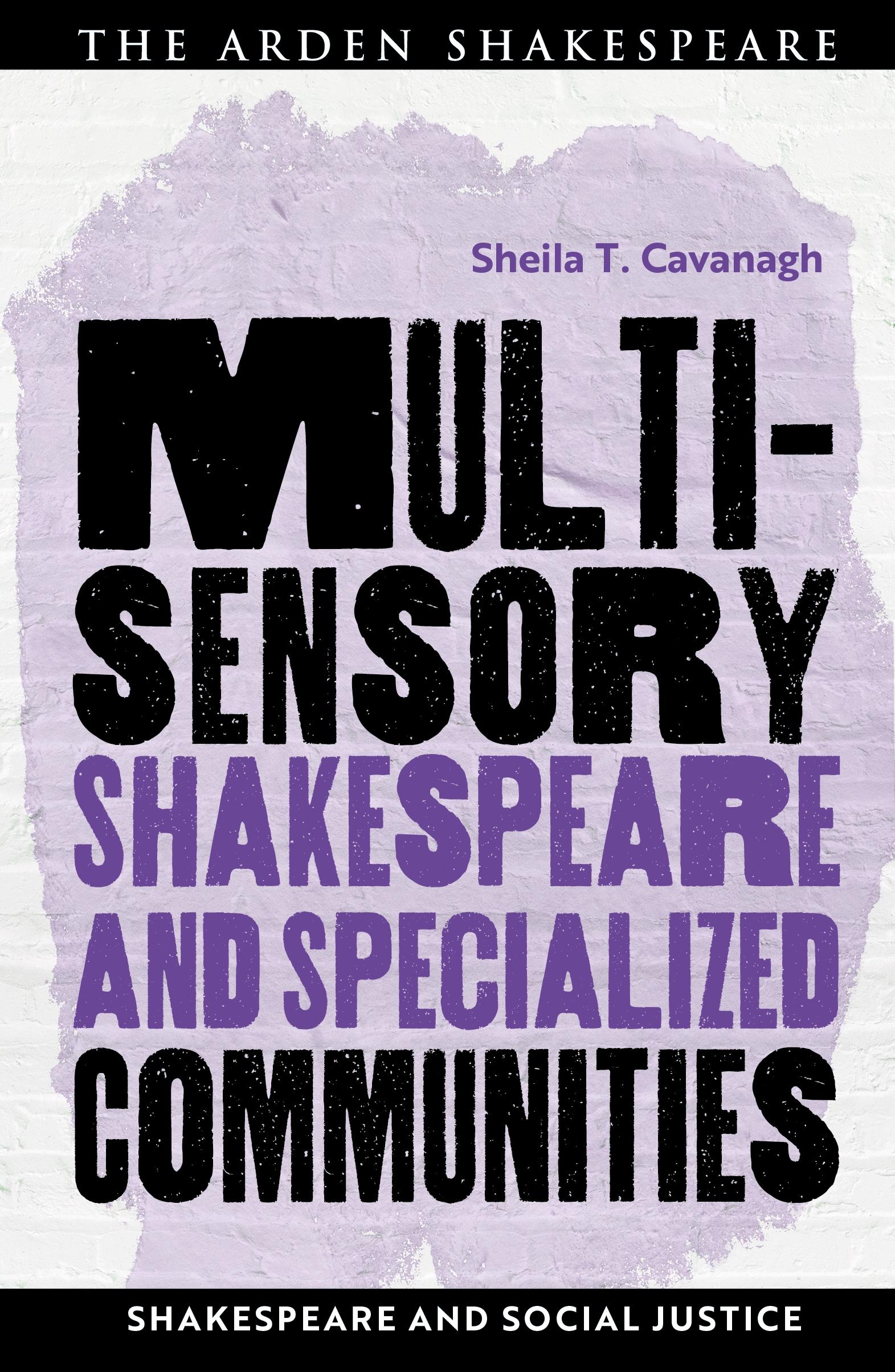
How can theatre and Shakespearean performance be used with different communities to assist personal growth and development, while advancing social justice goals?
Employing an integrative approach that draws from science, actor training, therapeutical practices and current research on the senses, this study reveals the work being done by drama practitioners with a range of specialized populations, such as incarcerated people, neurodiverse individuals, those with physical or emotional disabilities, veterans, people experiencing homelessness and many others. With insights drawn from visits to numerous international programs, it argues that these endeavors succeed when they engage multiple human senses and incorporate kinesthetic learning, thereby tapping into the diverse benefits associated with artistic, movement and mindfulness practices.
Neither theatre nor Shakespeare is universally beneficial, but the syncretic practices described in this book offer tools for physical, emotional and collaborative undertakings that assist personal growth and development, while advancing social justice goals. Among the practitioners and companies whose work is examined here are programs from the Shakespeare in Prison Network, the International Opera Theater, Blue Apple Theatre, Flute Theatre, DeCruit and Feast of Crispian programs for veterans, Extant Theatre and prison programs in Kolkata and Mysore, India.
Employing an integrative approach that draws from science, actor training, therapeutical practices and current research on the senses, this study reveals the work being done by drama practitioners with a range of specialized populations, such as incarcerated people, neurodiverse individuals, those with physical or emotional disabilities, veterans, people experiencing homelessness and many others. With insights drawn from visits to numerous international programs, it argues that these endeavors succeed when they engage multiple human senses and incorporate kinesthetic learning, thereby tapping into the diverse benefits associated with artistic, movement and mindfulness practices.
Neither theatre nor Shakespeare is universally beneficial, but the syncretic practices described in this book offer tools for physical, emotional and collaborative undertakings that assist personal growth and development, while advancing social justice goals. Among the practitioners and companies whose work is examined here are programs from the Shakespeare in Prison Network, the International Opera Theater, Blue Apple Theatre, Flute Theatre, DeCruit and Feast of Crispian programs for veterans, Extant Theatre and prison programs in Kolkata and Mysore, India.
Sider: 288
Kategori: Drama, Teater & Scenkonst
e-ISBN: 9781350296435
Forsendelsesvægt: 1.2 kg
Sendes inden for: 1-2 dage
Betal nemt med kort, Klarna, Apple Pay eller Google Pay. Ikke tilfreds? Du har altid 14 dages fortrydelsesret. Læs mere i vores vilkår. Har du spørgsmål, så send os en mail på hello@memmo.org.
Memmo gør det nemmere at studere – uanset hvor du er i verden. Hos os samler du dine kursusbøger og smarte studieværktøjer ét sted: resuméer, quizzer, podcasts og flashcards. Og så er der Ted, din studieven, der svarer på alt, du undrer dig over. Over 50 000 studerende studerer allerede her – bygget til at hjælpe dig med at lære hurtigere og stresse mindre.