
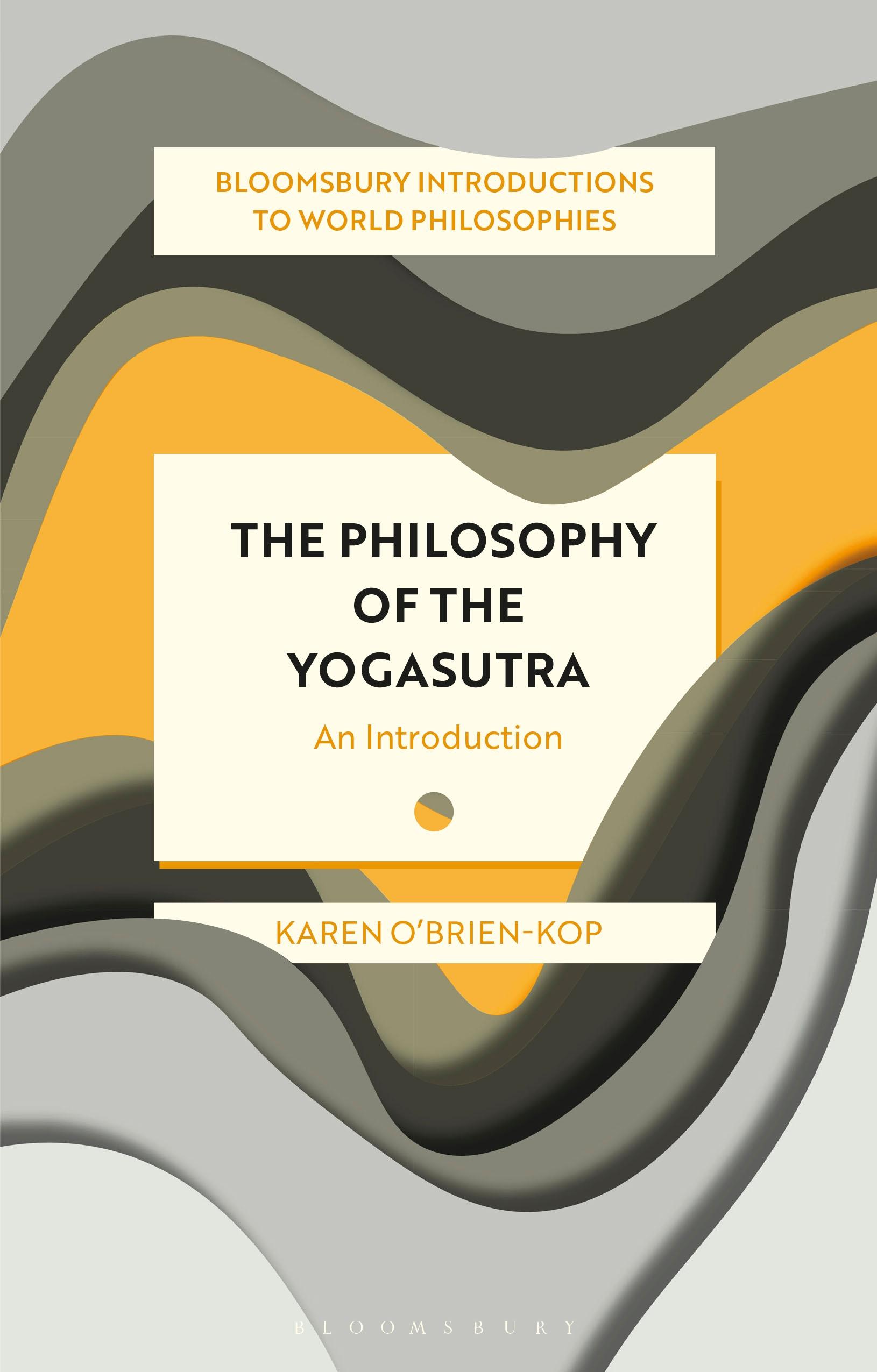
Karen O'Brien-Kop's introduction to the Yogasutra highlights its status as a significant work of philosophy. Approaching the Yogasutra as living philosophy, this book elucidates philosophical conceptions of yoga, recognises the logical structure the sutras follow and explains the rules and principles that have sustained Patañjali's system of thought for centuries.
Moving beyond standard interpretations of Patañjali's text and commentary as an aphoristic practice manual, O'Brien-Kop uses branches of philosophy to read the Yogasutra. Covering reality, self, ethics, language and knowledge, Patañjali's philosophies come to the fore. The book introduces his reasoned positions on dual and nondual metaphysics, the relationship between mind and body, the qualities of consciousness, the nature of freedom, and how to live ethically.
Carefully-selected extracts from the primary text are translated for those unfamiliar with Sanskrit and commentaries run throughout. A glossary provides definitions of key concepts with useful translations. Accessible and up-to-date, this introduction broadens our understanding of Indian philosophical thought and explains why the Yogasutra deserves to be read alongside Parmenides' 'On Nature' and Plato's Phaedo as a classic of world philosophy.
Moving beyond standard interpretations of Patañjali's text and commentary as an aphoristic practice manual, O'Brien-Kop uses branches of philosophy to read the Yogasutra. Covering reality, self, ethics, language and knowledge, Patañjali's philosophies come to the fore. The book introduces his reasoned positions on dual and nondual metaphysics, the relationship between mind and body, the qualities of consciousness, the nature of freedom, and how to live ethically.
Carefully-selected extracts from the primary text are translated for those unfamiliar with Sanskrit and commentaries run throughout. A glossary provides definitions of key concepts with useful translations. Accessible and up-to-date, this introduction broadens our understanding of Indian philosophical thought and explains why the Yogasutra deserves to be read alongside Parmenides' 'On Nature' and Plato's Phaedo as a classic of world philosophy.
Betal nemt med kort, Klarna, Apple Pay eller Google Pay. Ikke tilfreds? Du har altid 14 dages fortrydelsesret. Læs mere i vores vilkår. Har du spørgsmål, så send os en mail på hello@memmo.org.
Memmo gør det nemmere at studere – uanset hvor du er i verden. Hos os samler du dine kursusbøger og smarte studieværktøjer ét sted: resuméer, quizzer, podcasts og flashcards. Og så er der Ted, din studieven, der svarer på alt, du undrer dig over. Over 50 000 studerende studerer allerede her – bygget til at hjælpe dig med at lære hurtigere og stresse mindre.