
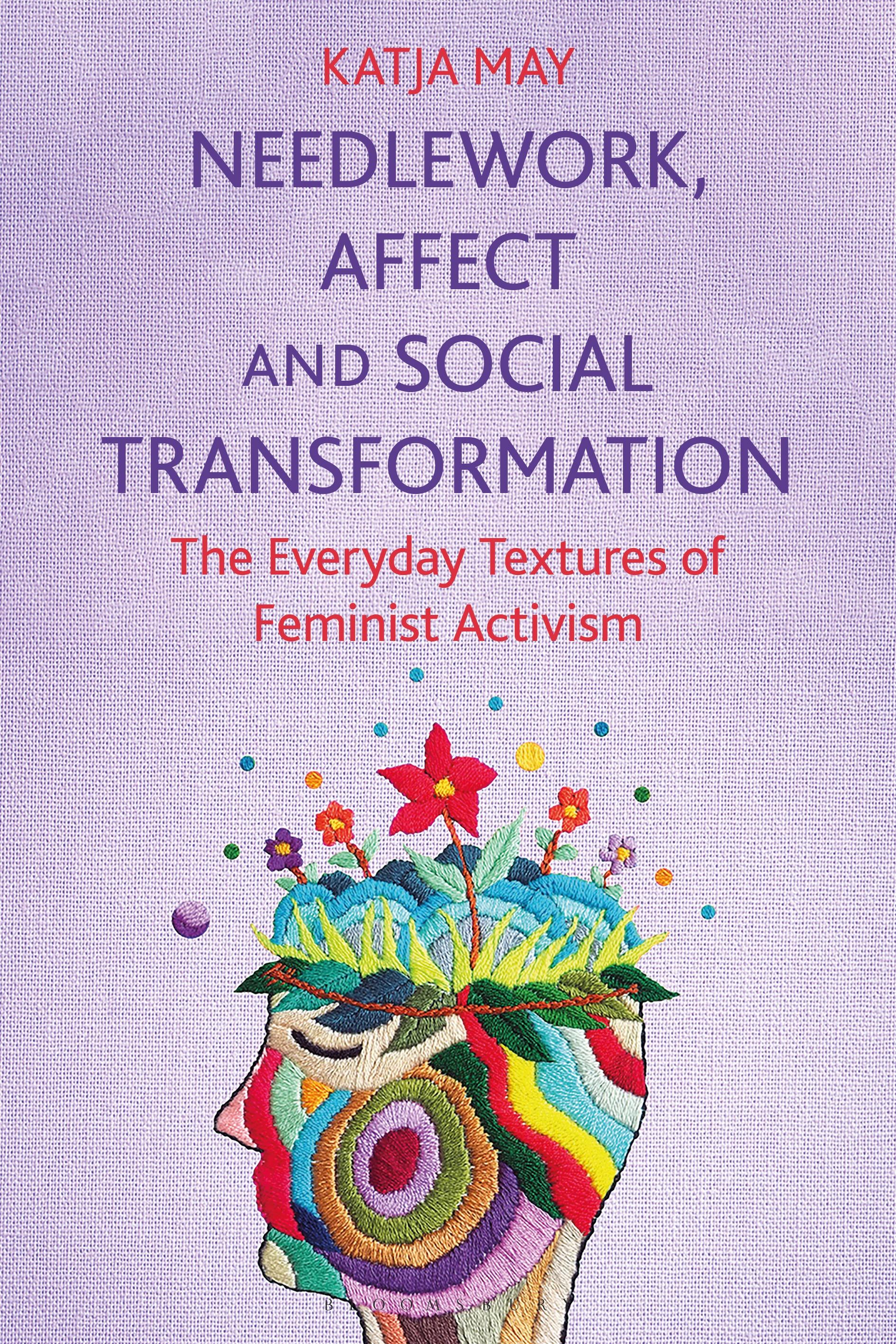
Needlework, Affect and Social Transformation offers an original framework for moving beyond binary discourses that class practices of needlework as either feminist or reactionary. Using transnational, contemporary case studies – such as the Social Justice Sewing Academy, fictionalised Bangladeshi garment workers as well as the famous Pussyhat Project – Katja May suggests a new approach to the interpretation of textile crafts as an affective social practice, and draws on under-represented issues of race.
May connects her study to broader material and social conditions of inequality, allowing for a nuanced and sensitive understanding of the role of needlework in feminist political activism. This broader look at how textile crafts function in the realms of politics and activism conceptualizes quilting, dressmaking, embroidery and knitting as routine activities invested with emotions and entangled with material and social conditions as well as political potential.
May connects her study to broader material and social conditions of inequality, allowing for a nuanced and sensitive understanding of the role of needlework in feminist political activism. This broader look at how textile crafts function in the realms of politics and activism conceptualizes quilting, dressmaking, embroidery and knitting as routine activities invested with emotions and entangled with material and social conditions as well as political potential.
Betal nemt med kort, Klarna, Apple Pay eller Google Pay. Ikke tilfreds? Du har altid 14 dages fortrydelsesret. Læs mere i vores vilkår. Har du spørgsmål, så send os en mail på hello@memmo.org.
Memmo gør det nemmere at studere – uanset hvor du er i verden. Hos os samler du dine kursusbøger og smarte studieværktøjer ét sted: resuméer, quizzer, podcasts og flashcards. Og så er der Ted, din studieven, der svarer på alt, du undrer dig over. Over 50 000 studerende studerer allerede her – bygget til at hjælpe dig med at lære hurtigere og stresse mindre.