
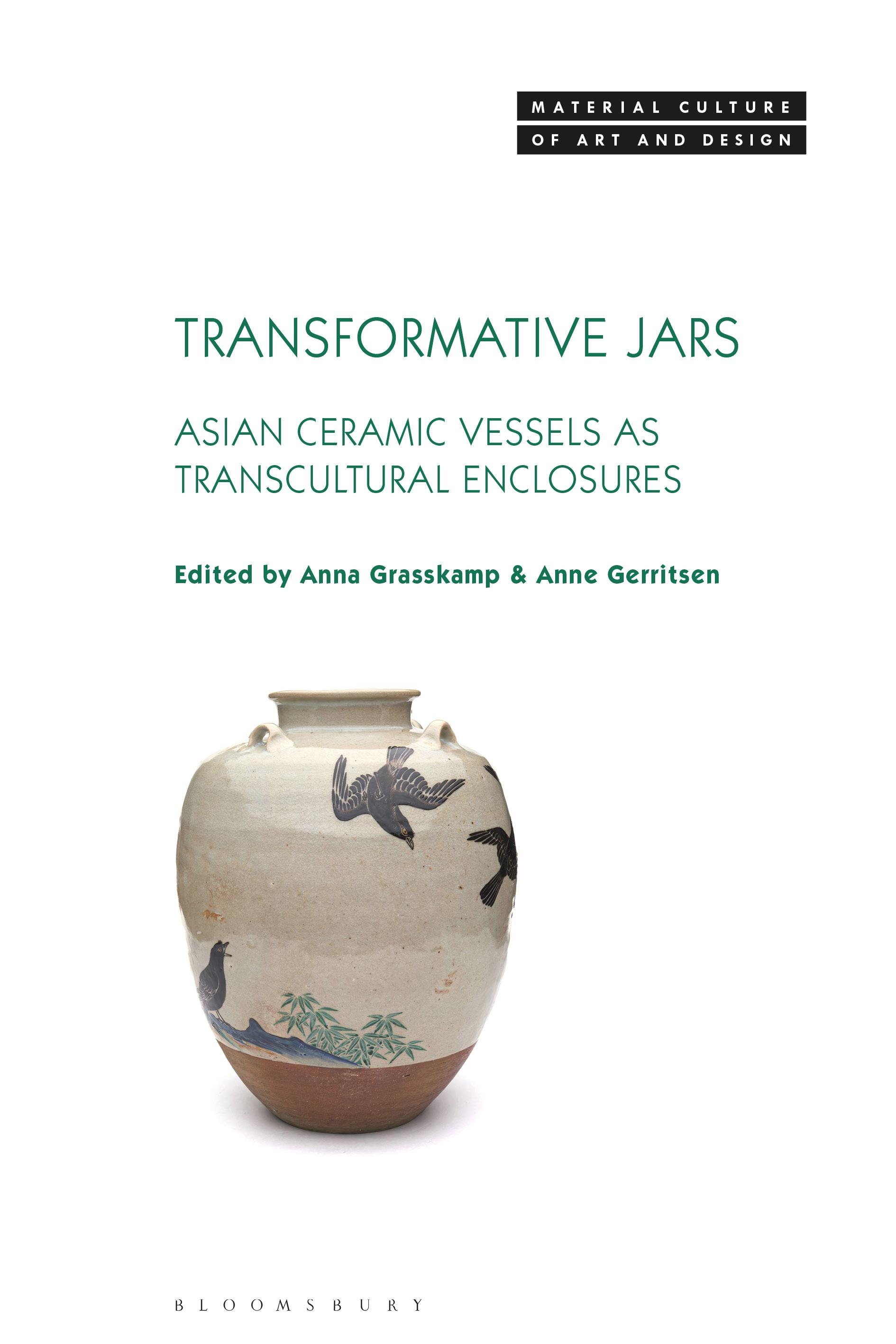
The term 'jar' refers to any man-made shape with the capacity to enclose something. Few objects are as universal and multi-functional as a jar – regardless of whether they contain food or drink, matter or a void, life-giving medicine or the ashes of the deceased. As ubiquitous as they may seem, such containers, storage vessels and urns are, as this book demonstrates, highly significant cultural and historical artefacts that mediate between content and environment, exterior worlds and interior enclosures, local and global, this-worldly and otherworldly realms.
The contributors to this volume understand jars not only as household utensils or evidence of human civilizations, but also as artefacts in their own right. Asian jars are culturally and aesthetically defined crafted goods and as objects charged with spiritual meanings and ritual significance. Transformative Jars situates Asian jars in a global context and focuses on relationships between the filling, emptying and re-filling of jars with a variety of contents and meanings through time and throughout space.
Transformative Jars brings together an interdisciplinary team of scholars with backgrounds in curating, art history and anthropology to offer perspectives that go beyond archaeological approaches with detailed analyses of a broad range of objects. By looking at jars as things in the hands of makers, users and collectors, this book presents these objects as agents of change in cultures of craftsmanship and consumption.
The contributors to this volume understand jars not only as household utensils or evidence of human civilizations, but also as artefacts in their own right. Asian jars are culturally and aesthetically defined crafted goods and as objects charged with spiritual meanings and ritual significance. Transformative Jars situates Asian jars in a global context and focuses on relationships between the filling, emptying and re-filling of jars with a variety of contents and meanings through time and throughout space.
Transformative Jars brings together an interdisciplinary team of scholars with backgrounds in curating, art history and anthropology to offer perspectives that go beyond archaeological approaches with detailed analyses of a broad range of objects. By looking at jars as things in the hands of makers, users and collectors, this book presents these objects as agents of change in cultures of craftsmanship and consumption.
Betal nemt med kort, Klarna, Apple Pay eller Google Pay. Ikke tilfreds? Du har altid 14 dages fortrydelsesret. Læs mere i vores vilkår. Har du spørgsmål, så send os en mail på hello@memmo.org.
Memmo gør det nemmere at studere – uanset hvor du er i verden. Hos os samler du dine kursusbøger og smarte studieværktøjer ét sted: resuméer, quizzer, podcasts og flashcards. Og så er der Ted, din studieven, der svarer på alt, du undrer dig over. Over 50 000 studerende studerer allerede her – bygget til at hjælpe dig med at lære hurtigere og stresse mindre.