
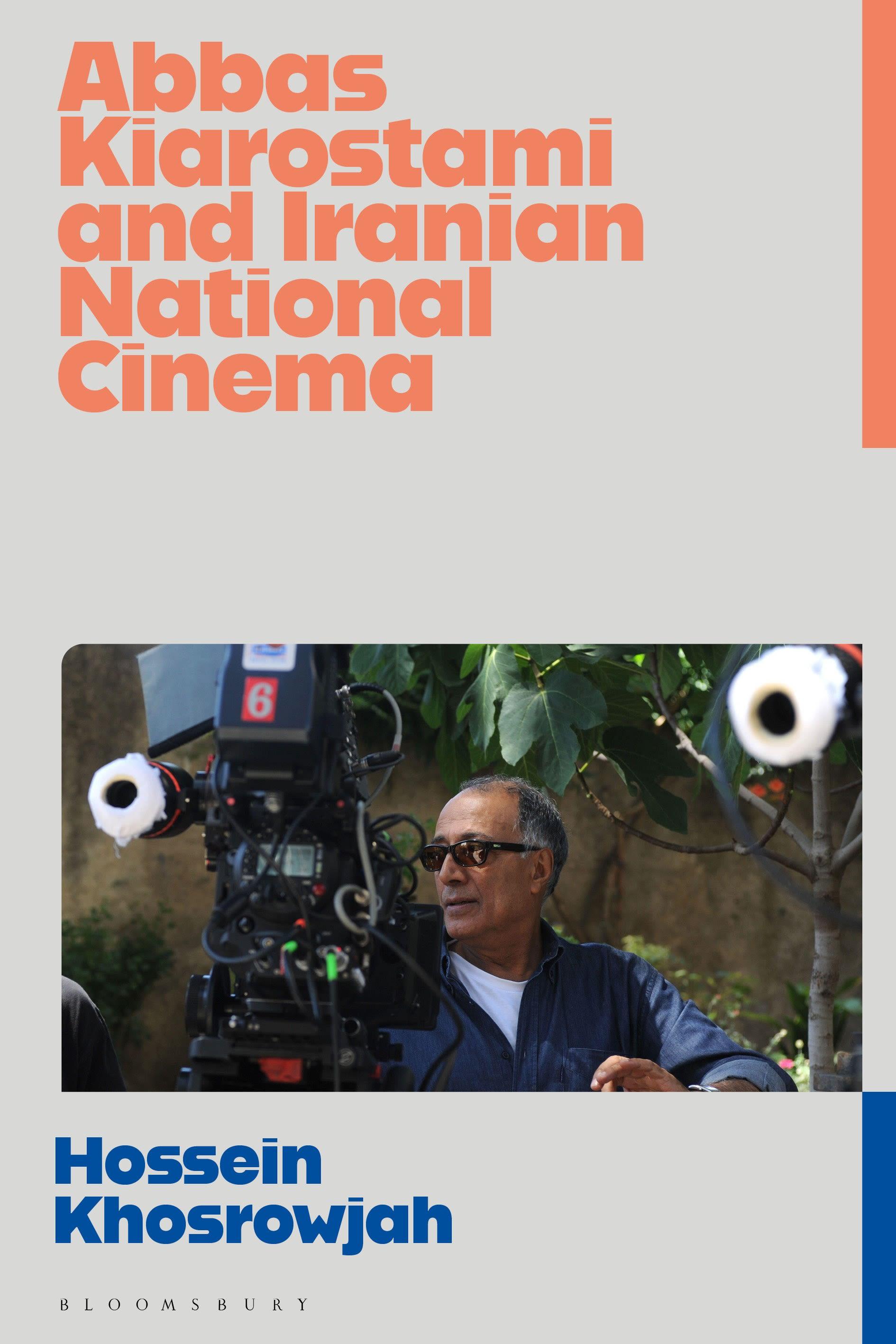
The films of Abbas Kiarostami (1940-2016) are at once ambiguous and singular, challenging easy categorisation in national, generic, and formal terms. In this insightful study, Hossein Khosrowjah provides an in-depth exploration of Kiarostami's body of work, considering how his filmmaking confronts questions of cinematic representation, identity, and the myth of national unity.
Challenging prevailing auteurist readings of Kiarostami's work, Hossein Khosrowjah firmly anchors his filmmaking within the historical context of Iranian national cinema. Through a close reading of key films, including Close-Up (1990), Taste of Cherry (1997), The Wind Will Carry Us (1999), and 10 (2002), he explores Kiarostami's radically anti-allegorical representational strategies. He goes on to examine the national and global circulation of his films, considering the role of censorship within Iran and the intersection of art, politics and the complexities of creative freedom.
He traces the continuing emphasis on partiality and the singularity of representations-of subjects, time, and location-across Kiarostami's films, arguing that it is through this intentional ambiguity that his cinema reshapes notions of nation and national identity, challenges conventions and broadens the scope for cinematic expression.
Challenging prevailing auteurist readings of Kiarostami's work, Hossein Khosrowjah firmly anchors his filmmaking within the historical context of Iranian national cinema. Through a close reading of key films, including Close-Up (1990), Taste of Cherry (1997), The Wind Will Carry Us (1999), and 10 (2002), he explores Kiarostami's radically anti-allegorical representational strategies. He goes on to examine the national and global circulation of his films, considering the role of censorship within Iran and the intersection of art, politics and the complexities of creative freedom.
He traces the continuing emphasis on partiality and the singularity of representations-of subjects, time, and location-across Kiarostami's films, arguing that it is through this intentional ambiguity that his cinema reshapes notions of nation and national identity, challenges conventions and broadens the scope for cinematic expression.
Sider: 240
Kategori: Film- & Medievetenskap
e-ISBN: 9781350274372
Forsendelsesvægt: 1.2 kg
Sendes inden for: 1-2 dage
Betal nemt med kort, Klarna, Apple Pay eller Google Pay. Ikke tilfreds? Du har altid 14 dages fortrydelsesret. Læs mere i vores vilkår. Har du spørgsmål, så send os en mail på hello@memmo.org.
Memmo gør det nemmere at studere – uanset hvor du er i verden. Hos os samler du dine kursusbøger og smarte studieværktøjer ét sted: resuméer, quizzer, podcasts og flashcards. Og så er der Ted, din studieven, der svarer på alt, du undrer dig over. Over 50 000 studerende studerer allerede her – bygget til at hjælpe dig med at lære hurtigere og stresse mindre.