
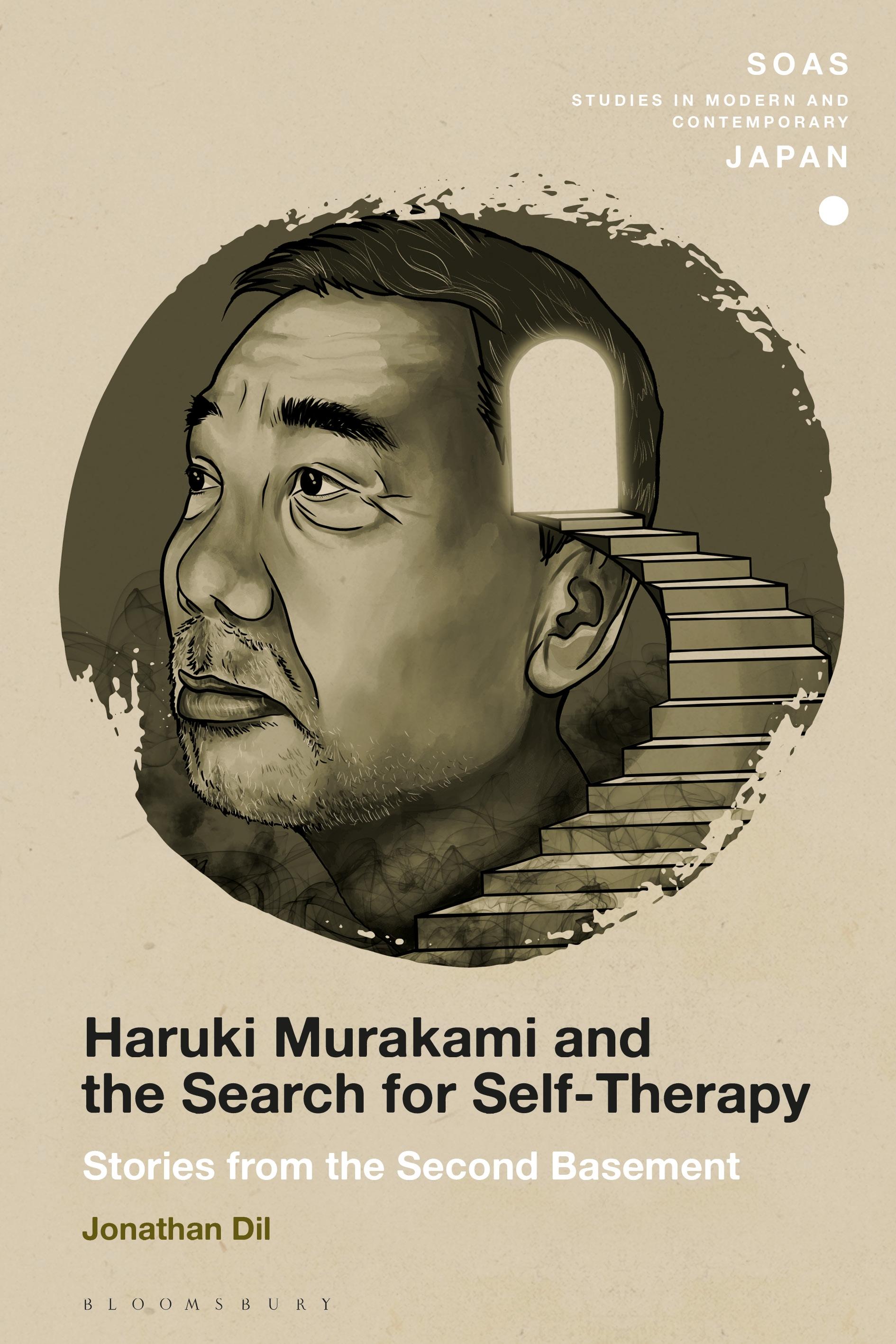
Haruki Murakami, a global literary phenomenon, has said that he started writing fiction as a means of self-therapy. What he has not discussed as much is what he needed self-therapy for. This book argues that by understanding more about why Murakami writes, and by linking this with the question of how he writes, readers can better understand what he writes. Murakami's fiction, in other words, can be read as a search for self-therapy.
In five chapters which explore Murakami's fourteen novels to date, this book argues that there are four prominent therapeutic threads woven through Murakami's fiction that can be traced back to his personal traumas - most notably Murakami's falling out with his late father and the death of a former girlfriend – and which have also transcended them in significant ways as they have been transformed into literary fiction. The first thread looks at the way melancholia must be worked through for mourning to occur and healing to happen; the second thread looks at how symbolic acts of sacrifice can help to heal intergenerational trauma; the third thread looks at the way people with avoidant attachment styles can begin to open themselves up to love again; the fourth thread looks at how individuation can manifest as a response to nihilism.
Meticulously researched and written with sensitivity, the result is a sophisticated exploration of Murakami's published novels as an evolving therapeutic project that will be of great value to all scholars of Japanese literature and culture.
In five chapters which explore Murakami's fourteen novels to date, this book argues that there are four prominent therapeutic threads woven through Murakami's fiction that can be traced back to his personal traumas - most notably Murakami's falling out with his late father and the death of a former girlfriend – and which have also transcended them in significant ways as they have been transformed into literary fiction. The first thread looks at the way melancholia must be worked through for mourning to occur and healing to happen; the second thread looks at how symbolic acts of sacrifice can help to heal intergenerational trauma; the third thread looks at the way people with avoidant attachment styles can begin to open themselves up to love again; the fourth thread looks at how individuation can manifest as a response to nihilism.
Meticulously researched and written with sensitivity, the result is a sophisticated exploration of Murakami's published novels as an evolving therapeutic project that will be of great value to all scholars of Japanese literature and culture.
Sider: 272
Kategori: Litteraturvetenskap & Teori
e-ISBN: 9781350270565
Forsendelsesvægt: 1.2 kg
Sendes inden for: 1-2 dage
Betal nemt med kort, Klarna, Apple Pay eller Google Pay. Ikke tilfreds? Du har altid 14 dages fortrydelsesret. Læs mere i vores vilkår. Har du spørgsmål, så send os en mail på hello@memmo.org.
Memmo gør det nemmere at studere – uanset hvor du er i verden. Hos os samler du dine kursusbøger og smarte studieværktøjer ét sted: resuméer, quizzer, podcasts og flashcards. Og så er der Ted, din studieven, der svarer på alt, du undrer dig over. Over 50 000 studerende studerer allerede her – bygget til at hjælpe dig med at lære hurtigere og stresse mindre.