
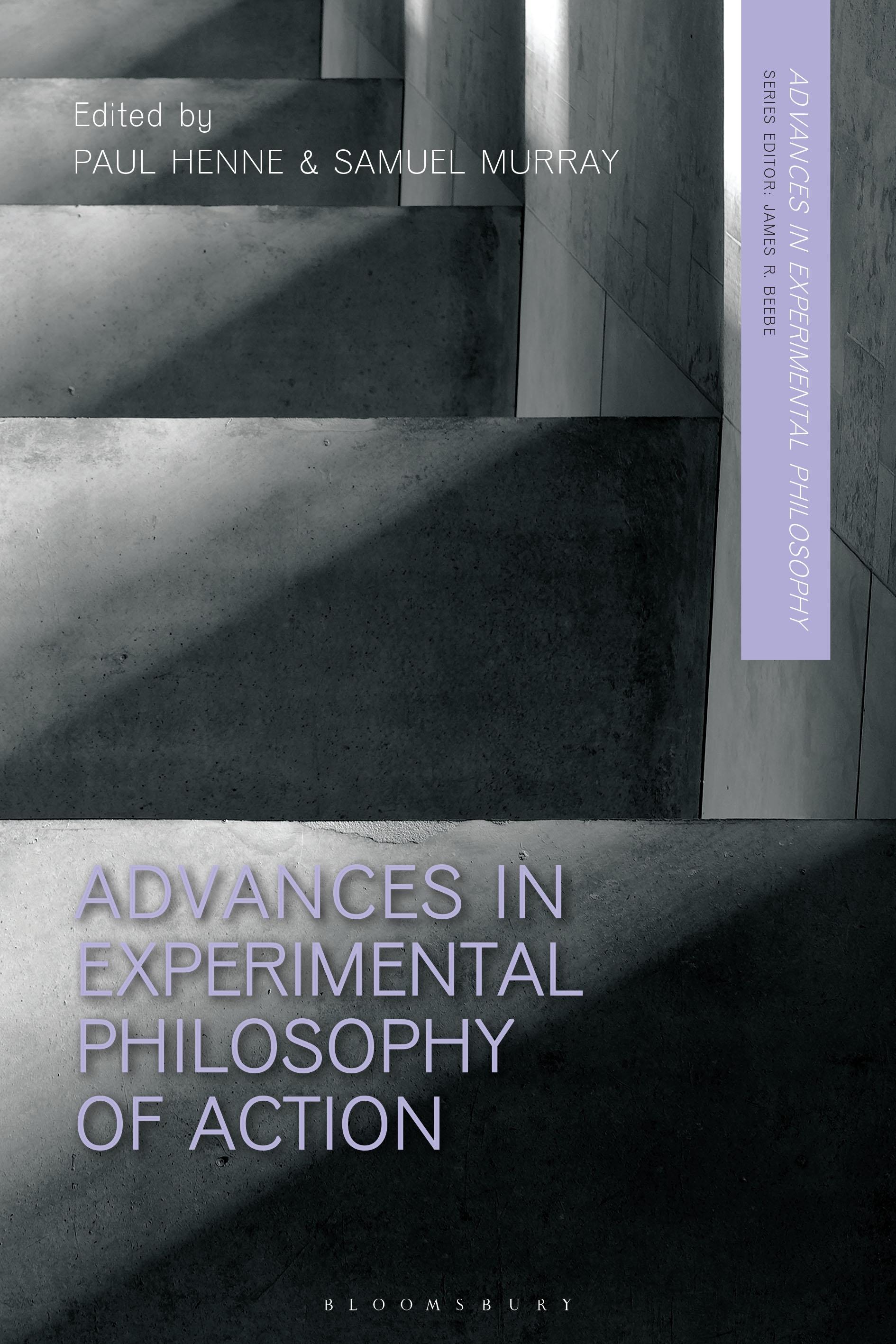
What is self-control? Does a person need to be conscious to act? Are delusions always irrational? Questions such as these are fundamental for investigations into action and rationality, as well as how we assign responsibility for wrongdoing and assess clinical symptoms. Bridging the gap between philosophy and psychology, this interdisciplinary collection showcases how empirical research informs and enriches core questions in the philosophy of action.
Exploring issues such as truth, moral judgement, agency, consciousness and cognitive control, chapters offer an overview of the current state of research, present new empirical findings and identify where future experimental work can further advance the frontier between philosophy and psychology. This is an essential resource for anyone looking to better understand how science and philosophy can meaningfully inform our knowledge of human agency.
Exploring issues such as truth, moral judgement, agency, consciousness and cognitive control, chapters offer an overview of the current state of research, present new empirical findings and identify where future experimental work can further advance the frontier between philosophy and psychology. This is an essential resource for anyone looking to better understand how science and philosophy can meaningfully inform our knowledge of human agency.
Betal nemt med kort, Klarna, Apple Pay eller Google Pay. Ikke tilfreds? Du har altid 14 dages fortrydelsesret. Læs mere i vores vilkår. Har du spørgsmål, så send os en mail på hello@memmo.org.
Memmo gør det nemmere at studere – uanset hvor du er i verden. Hos os samler du dine kursusbøger og smarte studieværktøjer ét sted: resuméer, quizzer, podcasts og flashcards. Og så er der Ted, din studieven, der svarer på alt, du undrer dig over. Over 50 000 studerende studerer allerede her – bygget til at hjælpe dig med at lære hurtigere og stresse mindre.