
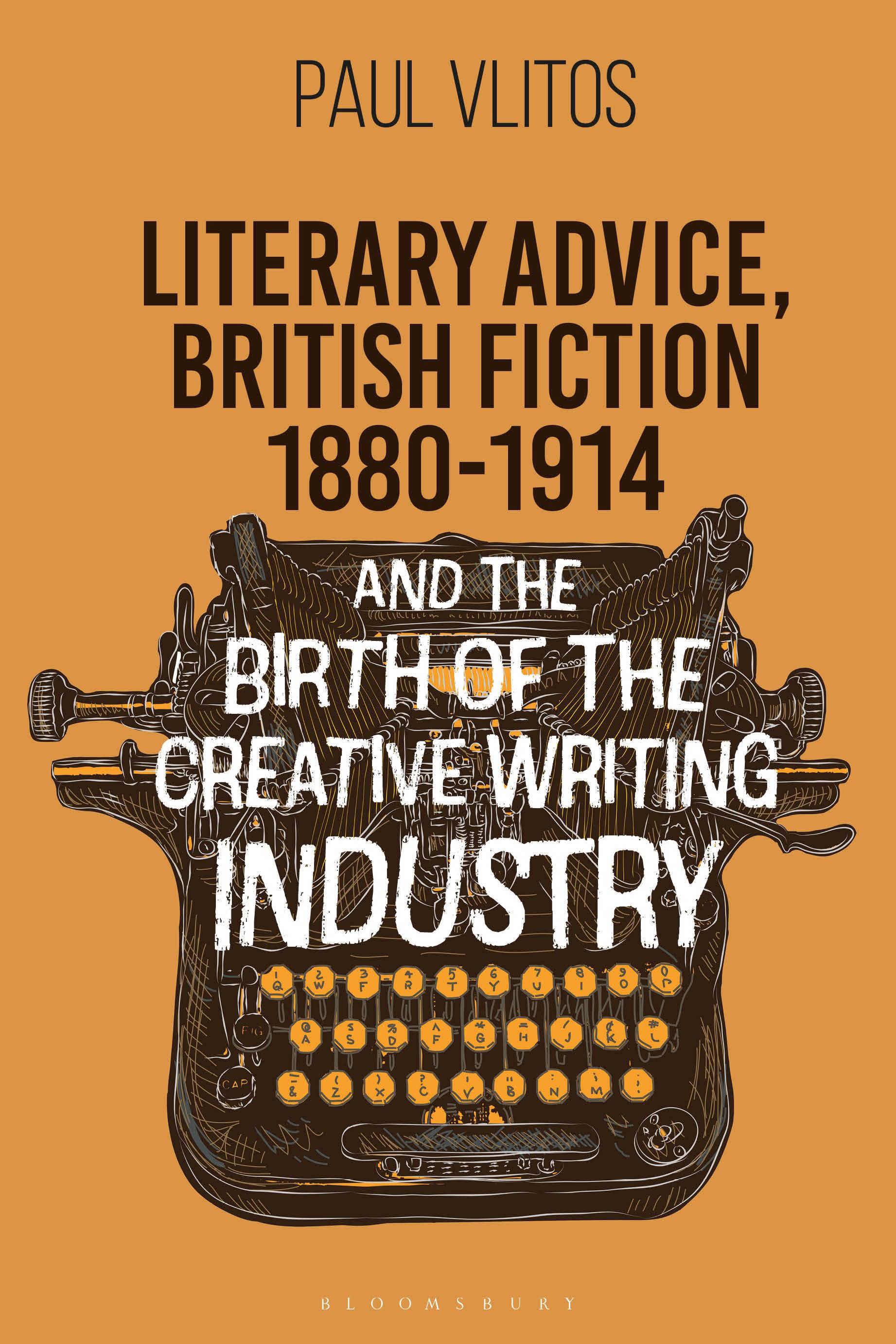
A groundbreaking exploration of the development of the literary advice industry of the late 19th and early 20th centuries, this book examines popular author guides of the period, offering insight into the origins of writing advice, and reconstructing debates about the relationship between the author and their public, literary value and the teaching (and teachability) of creative writing.
Making clear connections with the advice offered to aspiring writers today, Paul Vlitos historicizes the fields of creative writing and literary criticism, tracing to their origins some of the enduring platitudes of pedagogy whilst studying the matrix of attitudes and circumstances out of which they emerged. Works explored include Percy Russell's The Literary Manual; or, A Complete Guide to Authorship (1886) and The Author's Manual (1890), Leopold Wagner's How to Publish a Book (1898), George Bainton's The Art of Authorship (1890), Walter Besant's The Pen and the Book (1899), E.H. Lacon Watson's Hints to Young Authors (1902) and Arnold Bennett's How to Become an Author (1903),
In addition, Vlitos places the period's writing advice in dialogue with fictional Victorian and Edwardian fictional depictions of the literary life, demonstrating how authors each presented their own versions of what it might mean to be a writer in a changing economic and cultural landscape. Featuring such fiction including the short stories of Henry James, H. Rider Haggard's Mr Meeson's Will (1888), George Gissing's New Grub Street (1891), Marie Corelli's The Sorrows of Satan (1895), Sarah Grand's The Beth Book (1897), George Paston's A Writer of Books (1899), Mary Cholmondeley's Red Pottage (1899) and Arnold Bennett's A Great Man (1904), this book offers striking new readings of texts both canonical and neglected, bestselling and consciously high-brow, to shed light on how the idea of an author, in its modern sense, is articulated.
Making clear connections with the advice offered to aspiring writers today, Paul Vlitos historicizes the fields of creative writing and literary criticism, tracing to their origins some of the enduring platitudes of pedagogy whilst studying the matrix of attitudes and circumstances out of which they emerged. Works explored include Percy Russell's The Literary Manual; or, A Complete Guide to Authorship (1886) and The Author's Manual (1890), Leopold Wagner's How to Publish a Book (1898), George Bainton's The Art of Authorship (1890), Walter Besant's The Pen and the Book (1899), E.H. Lacon Watson's Hints to Young Authors (1902) and Arnold Bennett's How to Become an Author (1903),
In addition, Vlitos places the period's writing advice in dialogue with fictional Victorian and Edwardian fictional depictions of the literary life, demonstrating how authors each presented their own versions of what it might mean to be a writer in a changing economic and cultural landscape. Featuring such fiction including the short stories of Henry James, H. Rider Haggard's Mr Meeson's Will (1888), George Gissing's New Grub Street (1891), Marie Corelli's The Sorrows of Satan (1895), Sarah Grand's The Beth Book (1897), George Paston's A Writer of Books (1899), Mary Cholmondeley's Red Pottage (1899) and Arnold Bennett's A Great Man (1904), this book offers striking new readings of texts both canonical and neglected, bestselling and consciously high-brow, to shed light on how the idea of an author, in its modern sense, is articulated.
Sider: 248
Kategori: Litteraturvetenskap & Teori
e-ISBN: 9781350266223
Forsendelsesvægt: 1.2 kg
Sendes inden for: 1-2 dage
Betal nemt med kort, Klarna, Apple Pay eller Google Pay. Ikke tilfreds? Du har altid 14 dages fortrydelsesret. Læs mere i vores vilkår. Har du spørgsmål, så send os en mail på hello@memmo.org.
Memmo gør det nemmere at studere – uanset hvor du er i verden. Hos os samler du dine kursusbøger og smarte studieværktøjer ét sted: resuméer, quizzer, podcasts og flashcards. Og så er der Ted, din studieven, der svarer på alt, du undrer dig over. Over 50 000 studerende studerer allerede her – bygget til at hjælpe dig med at lære hurtigere og stresse mindre.