
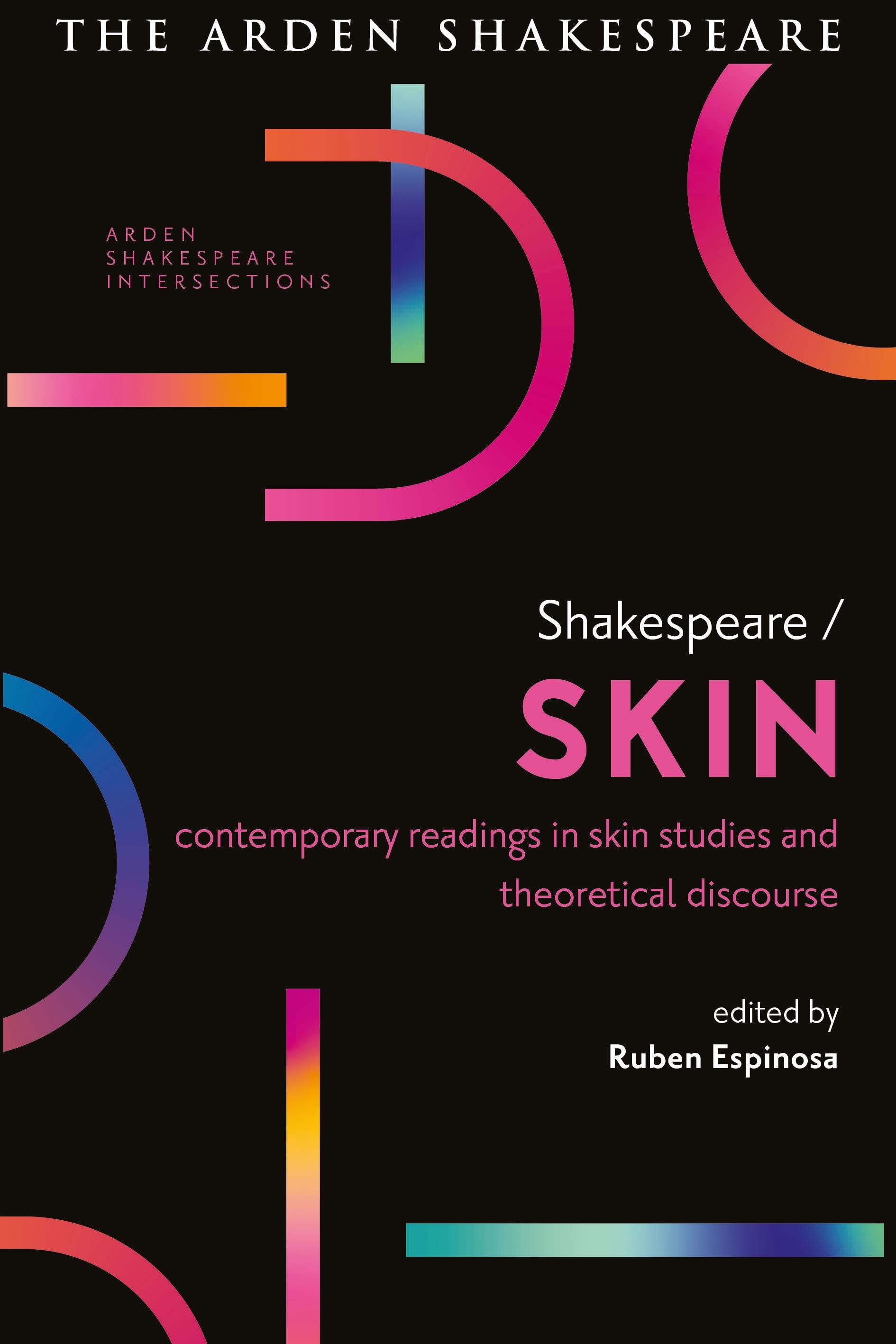
This volume offers a comprehensive array of readings of 'skin' in Shakespeare's works, a term that embraces the human and animal, noun and verb.
Shakespeare / Skin departs from previous studies as it deliberately and often explicitly engages with issues of social and racial justice. Each of the chapters interrogates and centres 'skin' in relation to areas of expertise that include performance studies, aesthetics, animal studies, religious studies, queer theory, Indigenous studies, history, food studies, border studies, postcolonial studies, Black feminism, disease studies and pedagogy. By considering contemporary understandings of skin, this volume examines how the literature of the early modern past creates paths to constructing racial hierarchies.
With contributors from the USA, UK, South Africa, India, Sri Lanka, Singapore and Australia, chapters are informed by an array of histories, shedding light on how skin was understood in Shakespeare's time and at key moments during the past 400 years in different media and cultures. Chapters include considerations of plays such as Titus Andronicus, The Tempest and A Midsummer Night's Dream, and work by Borderlands Theater, Los Colochos and Satyajit Ray, among many others.
For researchers and instructors, this book will help to shape teaching and inform research through its modelling of antiracist critical practice. Collectively, the chapters in this collection allow us to consider how sustained attention to skin via cross-historical and innovative approaches can reveal to us the various uses of Shakespeare that shed light on the fraught nature of our interrelatedness. They set a path for readers to consider how much skin they have in the game when it comes to challenging structures of racism.
Shakespeare / Skin departs from previous studies as it deliberately and often explicitly engages with issues of social and racial justice. Each of the chapters interrogates and centres 'skin' in relation to areas of expertise that include performance studies, aesthetics, animal studies, religious studies, queer theory, Indigenous studies, history, food studies, border studies, postcolonial studies, Black feminism, disease studies and pedagogy. By considering contemporary understandings of skin, this volume examines how the literature of the early modern past creates paths to constructing racial hierarchies.
With contributors from the USA, UK, South Africa, India, Sri Lanka, Singapore and Australia, chapters are informed by an array of histories, shedding light on how skin was understood in Shakespeare's time and at key moments during the past 400 years in different media and cultures. Chapters include considerations of plays such as Titus Andronicus, The Tempest and A Midsummer Night's Dream, and work by Borderlands Theater, Los Colochos and Satyajit Ray, among many others.
For researchers and instructors, this book will help to shape teaching and inform research through its modelling of antiracist critical practice. Collectively, the chapters in this collection allow us to consider how sustained attention to skin via cross-historical and innovative approaches can reveal to us the various uses of Shakespeare that shed light on the fraught nature of our interrelatedness. They set a path for readers to consider how much skin they have in the game when it comes to challenging structures of racism.
Betal nemt med kort, Klarna, Apple Pay eller Google Pay. Ikke tilfreds? Du har altid 14 dages fortrydelsesret. Læs mere i vores vilkår. Har du spørgsmål, så send os en mail på hello@memmo.org.
Memmo gør det nemmere at studere – uanset hvor du er i verden. Hos os samler du dine kursusbøger og smarte studieværktøjer ét sted: resuméer, quizzer, podcasts og flashcards. Og så er der Ted, din studieven, der svarer på alt, du undrer dig over. Over 50 000 studerende studerer allerede her – bygget til at hjælpe dig med at lære hurtigere og stresse mindre.