
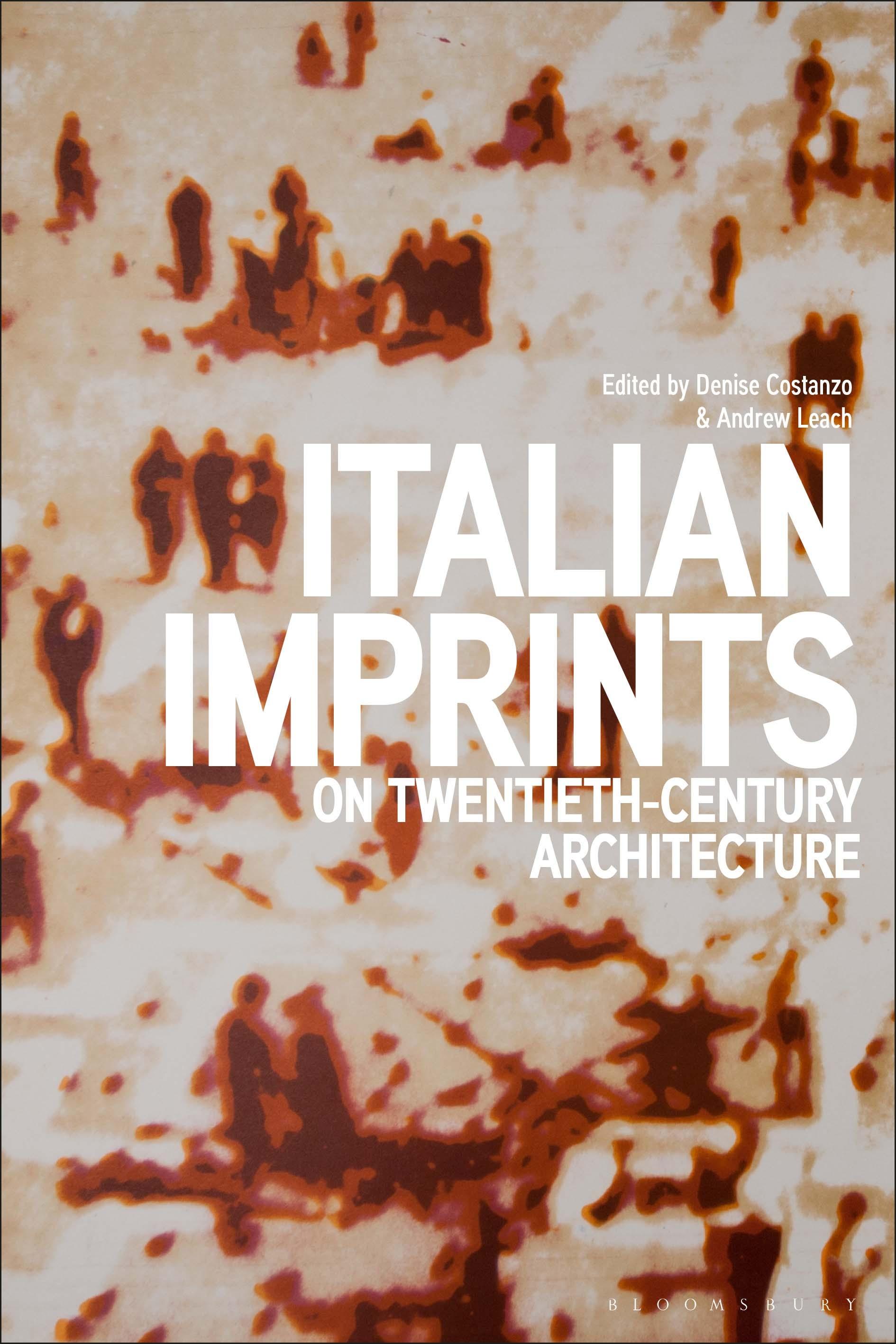
Italian architecture has long exerted a special influence on the evolution of architectural ideas elsewhere - from the Beaux-Arts academy's veneration of Rome, to modernist and postmodern interest in Renaissance proportion, Baroque space, and Mannerist ambiguity. This book critically examines this enduring phenomenon, exploring the privileged position of Italian architects, architecture, and cities in the architectural culture of the past century.
Questioning the deep-rooted myth of Italy within architectural history, the book presents case studies of Italy's powerful yet problematic position in 20th-century architectural ideologies, at a time when established Eurocentric narratives are rightly being challenged. It reconciles the privileged position of Italian architecture and design with the imperative to write history across a more global, diverse, heterogenous cultural geography. Twenty chapters from distinguished international scholars cover subjects and architects ranging from Alberti to Gio Ponti, Aldo Rossi, Manfredo Tafuri, Vittorio Gregotti; cities from Rome and Venice to Milan; and an array of international architects, movements, and architectural ideas influenced by Italy. The chapters each question where, how, and why the disciplinary edifice of 20th-century architecture-its canon of built, visual, textual, and conceptual works-relied on Italian foundations, examining where and how those foundations have become insecure.
Indispensable for students and scholars of both Italian and global architectural history, Italian Imprints on Twentieth-Century Architecture provides an opportunity to consider the architectural and urban landscape of Italy from substantially new points of view.
Questioning the deep-rooted myth of Italy within architectural history, the book presents case studies of Italy's powerful yet problematic position in 20th-century architectural ideologies, at a time when established Eurocentric narratives are rightly being challenged. It reconciles the privileged position of Italian architecture and design with the imperative to write history across a more global, diverse, heterogenous cultural geography. Twenty chapters from distinguished international scholars cover subjects and architects ranging from Alberti to Gio Ponti, Aldo Rossi, Manfredo Tafuri, Vittorio Gregotti; cities from Rome and Venice to Milan; and an array of international architects, movements, and architectural ideas influenced by Italy. The chapters each question where, how, and why the disciplinary edifice of 20th-century architecture-its canon of built, visual, textual, and conceptual works-relied on Italian foundations, examining where and how those foundations have become insecure.
Indispensable for students and scholars of both Italian and global architectural history, Italian Imprints on Twentieth-Century Architecture provides an opportunity to consider the architectural and urban landscape of Italy from substantially new points of view.
Sider: 312
Kategori: Arkitektur & Stadsplanering
e-ISBN: 9781350257740
Forsendelsesvægt: 1.2 kg
Sendes inden for: 1-2 dage
Betal nemt med kort, Klarna, Apple Pay eller Google Pay. Ikke tilfreds? Du har altid 14 dages fortrydelsesret. Læs mere i vores vilkår. Har du spørgsmål, så send os en mail på hello@memmo.org.
Memmo gør det nemmere at studere – uanset hvor du er i verden. Hos os samler du dine kursusbøger og smarte studieværktøjer ét sted: resuméer, quizzer, podcasts og flashcards. Og så er der Ted, din studieven, der svarer på alt, du undrer dig over. Over 50 000 studerende studerer allerede her – bygget til at hjælpe dig med at lære hurtigere og stresse mindre.